

NVIDIA Readies GeForce GTX 960
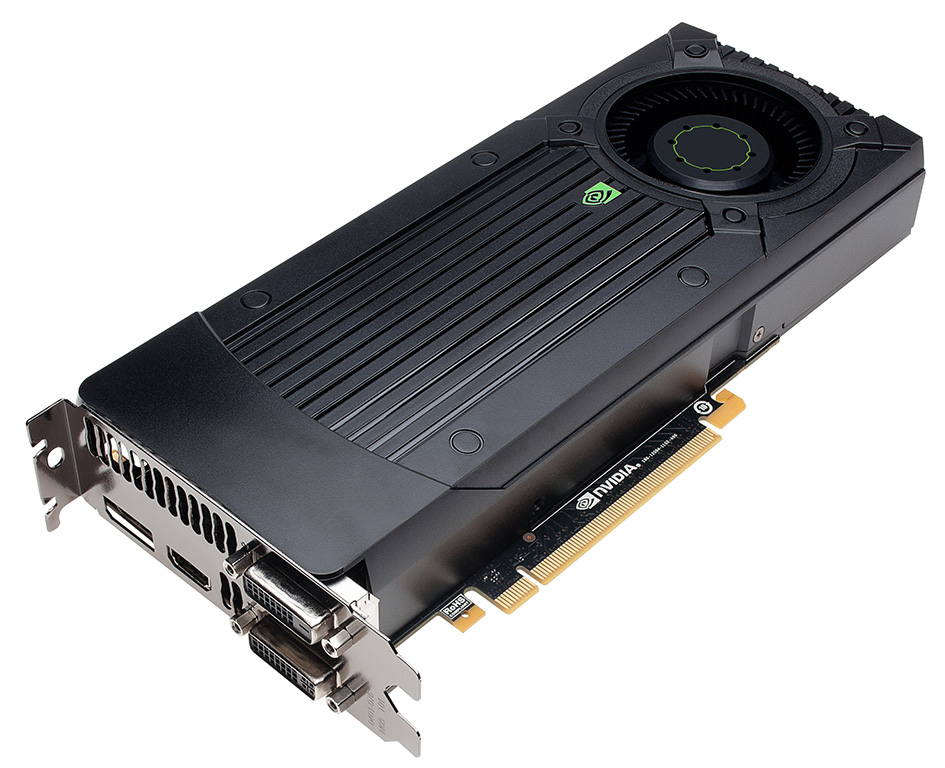
It looks like GeForce GTX 980 and GTX 970 won't be the only Maxwell-based graphics cards NVIDIA plans to launch within the next 30 days. The company is readying a third SKU based on the chip, the GeForce GTX 960. The company's next sub-$300 graphics card, the GTX 960 will be launched some time in mid to late-October, 2014. The company's GTX 970 and GTX 980 will come out later this week (19th September), timed with the Game24 event. There's no word on the exact specs of the GTX 960.
Read More ...
NVIDIA GeForce GTX 980 Reference Board Pictured
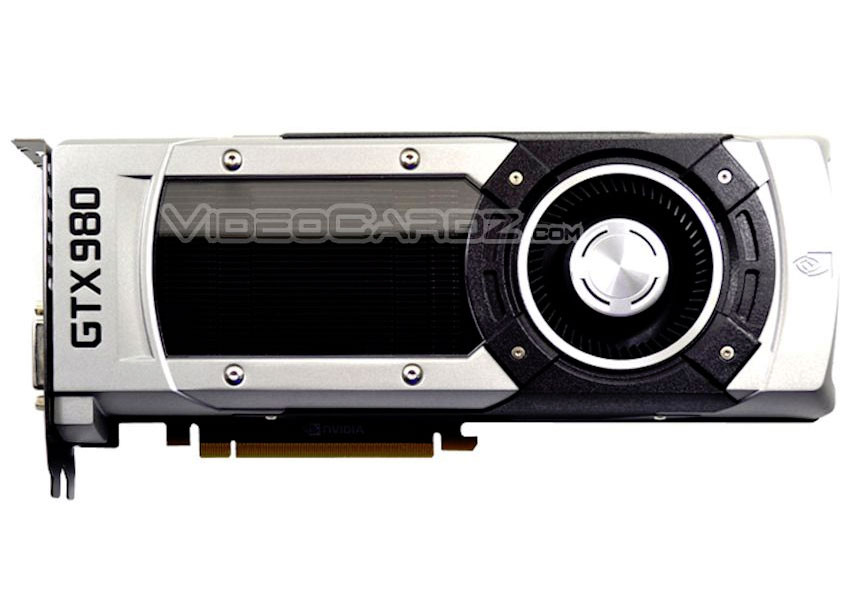
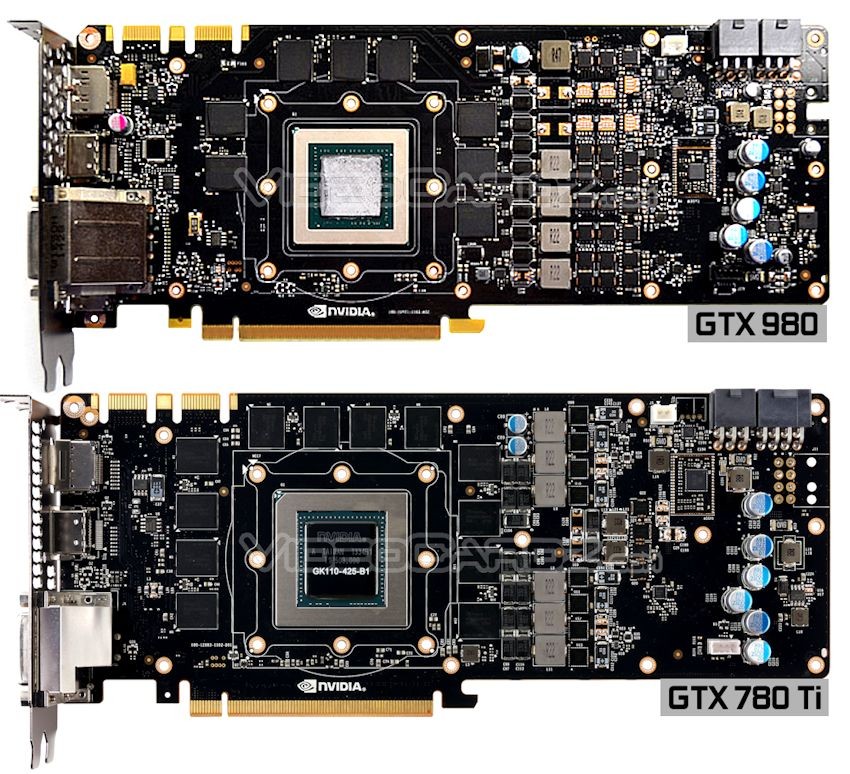
Here are the first pictures of the reference-design GeForce GTX 980 graphics card. This gorgeous looking board is something to get used to, as it could be a while before we see non-reference boards for the GTX 980. Its smaller sibling, the GTX 970, could launch with non-reference design boards right off the bat. Outwardly, the GTX 980 looks exactly like a GeForce GTX 780 reference board, with NVIDIA's space-age cooling shroud.
The only difference here is a metal backplate decking up the card. This backplate isn't cooling anything, and traces reveal that the card is indeed holding just 8 memory chips, confirming its 256-bit wide GDDR5 memory interface. The GeForce GTX 980 is based on NVIDIA's new GM204 silicon, a derivative of the company's new "Maxwell" architecture, which made its debut with the GeForce GTX 750 Ti. The package of GM204 looks roughly as big as a GK104. The card draws power from a pair of 6-pin PCIe power connectors, and uses a 4+1 phase VRM to condition power.


Read More ...
How Intel Plans to Transition Between DDR3 and DDR4 for the Mainstream
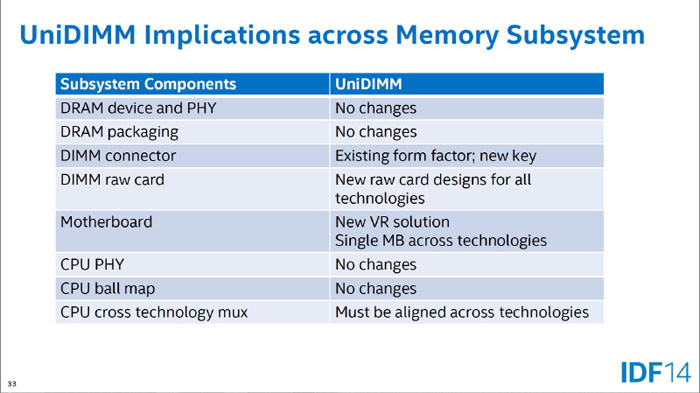
The transition between DDR2 and DDR3 system memory types was slower than the one between DDR and DDR2. DDR3 made its mainstream debut with Intel's X38 and P35 Express platforms, at a time when the memory controller was still within the domain of a motherboard chipset, at least in Intel's case. The P35 supported both DDR2 and DDR3 memory types, and motherboard manufacturers made high-end products based on each of the two memory types, with some even supporting both.
Higher module prices posed a real, and higher latencies, posed a less real set of drawbacks to the initial adoption of DDR3. Those, coupled with the limited system bus bandwidth, to take advantage of DDR3. DDR3 only really took off with Nehalem, Intel's first processor with an integrated memory controller (IMC). An IMC, again in Intel's case, meant that the CPU came with memory I/O pins, and could only support one memory type - DDR3. Since then, DDR3 proliferated to the mainstream. Will the story repeat itself during the transition between DDR3 and the new DDR4 memory introduced alongside Intel's Core i7 "Haswell-E" HEDT platform? Not exactly.



Read More ...
Available Tags:NVIDIA , GeForce , GTX , Intel , DDR3 , DDR4 ,


No comments:
Post a Comment