

Humble Weekly: Liebesgrüße aus Deutschland
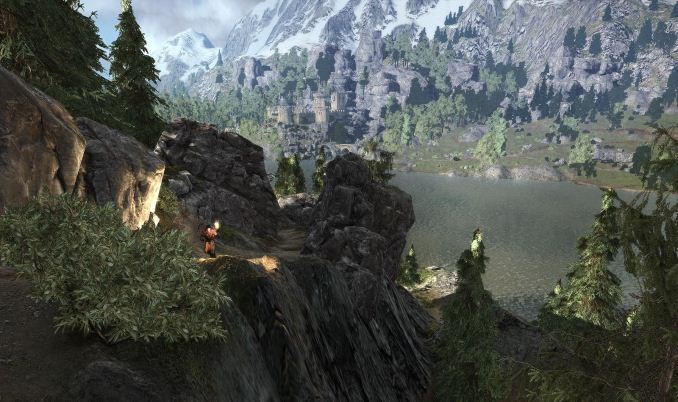
Beatbuddy: Tale of Guardians (75%, 08/2013 – $1+): puzzle-platformer with a world that responds to the soundtrack, with rhythm/adventure elements thrown it for good measure.
Crazy Machines 2 (72%, 06/2008 – $1+): solve increasingly challenging/complex puzzles by building Rube-Goldberg-inspired machines.
Galaxy on Fire 2 (63%, 08/2012 – $1+): open-ended space shooter/simulation with an optional story you can follow; updated graphics relative to the original iOS release.
The Great Jitters: Pudding Panic (~60%, 05/2014 – $1+): a port of a popular iOS game, you guide a scared blob of pudding down the rails of a ghost train – try not to faint! (Reviews of the original iOS version are very positive, but the PC port is so new that I haven't seen any reviews yet. Personally...I rate it about a 60%; it's a weak port, with no resolution support above 1024x768 and the gameplay with a mouse is undoubtedly not as compelling as with a touchscreen.)
The Guild II Collection (~61%, 10/2006 – $1+): this collection includes the original medieval strategy/RPG "life simulation", along with the two follow up games Pirates of the High Seas (63%, 2007) and Renaissance (56%, 2010). You can choose from a number of professions and then life out your life in the game world.
Spirits (~60%, 02/2012 – $1+): a puzzle/action game with concepts similar to Lemmings, if you go that far back. Guide the autumn leaves home by altering the way the wind blows and changing the ground.
Tiny & Big: Grandpa's Leftovers (75%, 06/2012 – $1+): a 3D cell-shaded puzzle-platformer where you manipulate the environment with various tools to try to recover a lost relic (Grandpa's Underpants); this was part of another recent bundle, but if you missed it you can pick it up here.
ArcaniA – Gothic 4 (63%, 10/2010 – BTA): an open-world RPG in the vein of the Elder Scrolls series, this fourth installment moves to more tropical island environment.
The Book of Unwritten Tales Digital Deluxe Edition (82%, 10/2011 – BTA): this is a classic-style point-and-click adventure game from the Unwritten Tales series, originally funded/launched via Kickstarter. This includes a "making of" booklet and original soundtrack as part of the "Digital Deluxe" package; not to be confused with the later installment in the series, the Critter Chronicles.
Risen (77%, 10/2009 – BTA): if you've finished reading all of the Elder Scrolls and beaten Gothic and you're still looking for more open-world RPG adventuring, you might want to check out the world of Risen – it's good for another 50+ hours of gameplay.
Giana Sisters: Twisted Bundle (~80%, 2012-2013 – $9+): this is a two-for-one bundle that gives you the original Giana Sisters: Twisted Dreams (77%) and the Rise of the Owlverlord (84%), with the latter providing seven new levels. Giana Sisters is a platformer (and another game that started at Kickstarter), with the key mechanic being that switching between the two "sisters" alters the entire game world.
The Night of the Rabbit: Premium Edition (75%, 05/2013 – $9+): last but not least, this is another point-and-click adventure that involves you following a white rabbit to the world of…no, not Wonderland, Mousewood! Help young Jerry fulfill his dream of becoming a magician, and in the process save Mousewood.


Read More ...
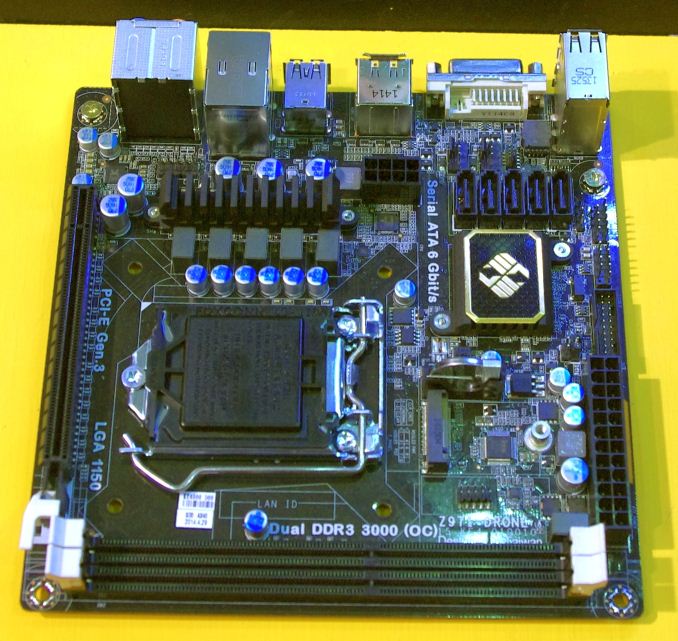
Computex 2014: ECS’ Z97I-Drone mini-ITX motherboard and UHD/4K60 AIO
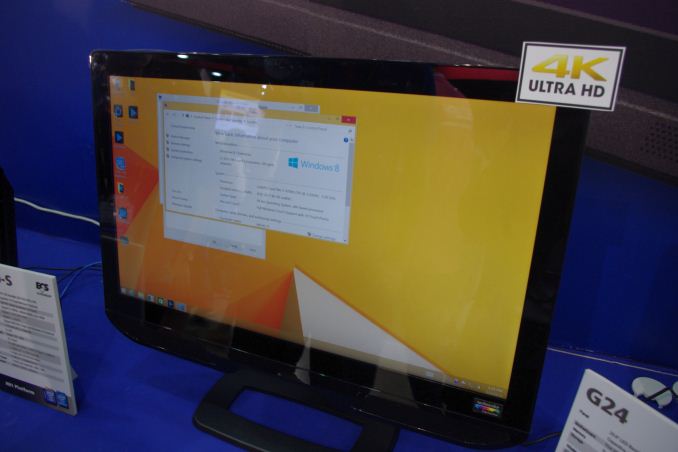
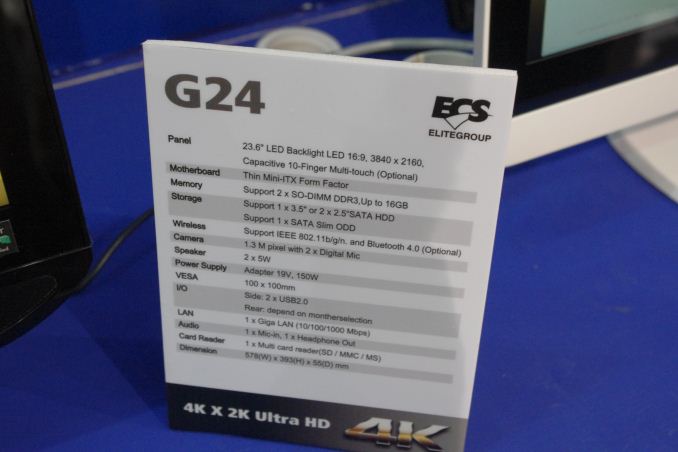
Moving around the booth I came across a 4K all-in-one. I could not remember if I had seen a 4K AIO before without MST, but I enquired into the refresh rate, expecting it to be 30 Hz. To my surprise, it was 60 Hz. So this is a 24-inch, 4K, 60 Hz display, which I also found out was running an Intel i7-4790S CPU, a 3.2 GHz quad core model with hyperthreading. ECS is offering this as an OEM for anyone who wants to stick their name on it and sell it. I should have asked if the panel comes pre-calibrated, but it does come with space for two 2.5” drives or one 3.5” drive.


Read More ...
Computex 2014: Thermaltake Core V1, a Windowed mini-ITX for $50


The Core V1 has space for two side-mounted 3.5” or 2.5” drives, but with adaptors it will fit four 2.5” drives. The Core V1 should be available within a matter of weeks.


Read More ...
Computex 2014: MSI’s New ECO Motherboard Range


Read More ...
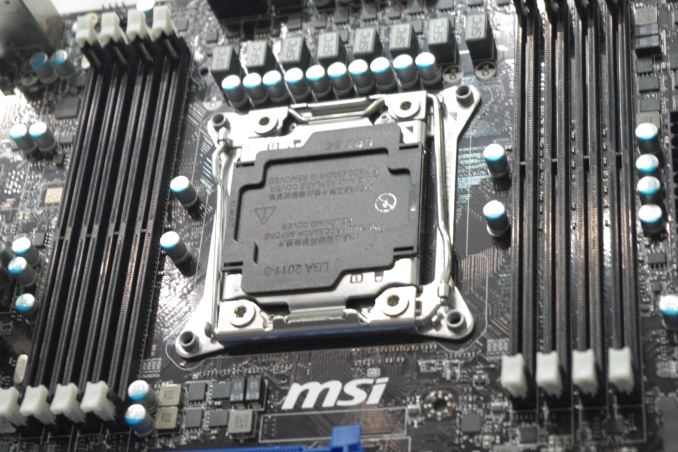
Computex 2014: X99 and USB 3.1 at MSI


Read More ...
Advatronix Cirrus 1200: a Storage Server Under Your Desk
The Advatronix Cirrus 1200 tries to distinguish itself from the average tower server offering with a cube shaped desktop that has many hot pluggable hard disk bays. Will the low power, low noise, and low latency storage be enough to convince potential buyers to invest in such a solution? Read on for our full review of this storage server.
Read More ...
Computex 2014: Galaxy Showcases GTX 750 Ti Darbee Edition


Read More ...
Google Announces Project Tango Tablet Dev Kit with Tegra K1 and 3D Capture/Tracking

It seems like if Google gets enough of these things running around the world, they could combine all that data into an impressively detailed 3D map of the entire world (well, the populated parts at least). Google Earth could certainly benefit from that sort of data, but there are plenty other uses for such technology as well. NVIDIA's blog on the subject notes that games could map out your living room (or yard, office, neighborhood, etc.), or a real estate agent (or architect) could use it to create a 3D model of a house/building and provide a virtual walkthrough for clients. Uses in the robotics field are another option, and robotics research has already seen great benefits of integrating Microsoft's Kinect sensor into various designs.
Along with the new information on Project Tango comes the announcement of the latest development kit hardware. (Note that this is the second Project Tango device; the first was a smartphone.) Compared to many tablets currently out there, the specs are quite impressive: NVIDIA Tegra K1 SoC, 4GB RAM, 128GB storage, and of course all the sensors needed to track motion and map environments. Basically, imagine a tablet/smartphone with Kinect-style sensors integrated into the product. (Update: Mantis Vision just announced that they will be providing the core 3D engine for Project Tango.) The device itself is a 7-inch tablet, though the screen resolution wasn't divulged, and it will be running the latest version of Android (KitKat 4.4).
If that sounds enticing, there are two more items you'll need to know: first is that the development kits will be made available "later this year", so this is not yet shipping hardware. Second, the cost of the development kit is $1024 (a nod to computer geeks and our infatuation with powers of two, I suppose). NVIDIA sent along two rendered images of the Project Tango tablet, showing black and white casings.

Read More ...
Best Smartphones: Spring 2014
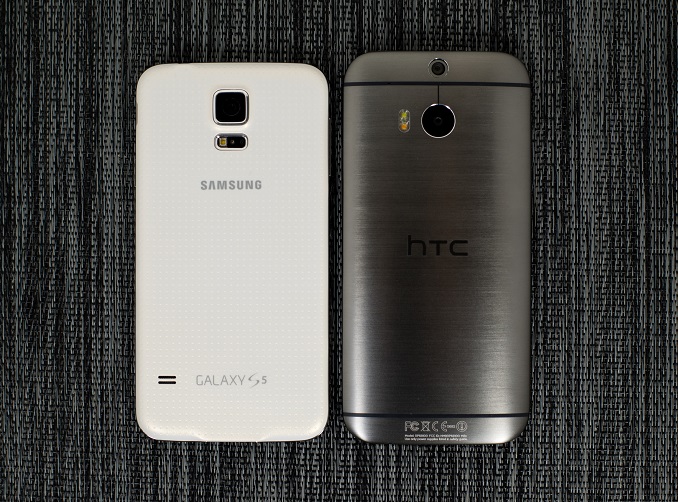
We test a lot of smartphones at AnandTech, and as far as I can tell there has yet to be a perfect product. Generally compromises are made on some aspects of the device. There is no way we can cover every single way anyone can use a device, so when it's named the best, that doesn't mean it's the best for everyone, but hopefully it's the best for the majority. Devices named the best will always have their flaws, and if those flaws fall right into your requirements, it may not be the best device for you.
We'll break each operating system group into four segments which are flagship, phablet, mid-range, and low cost. Flagship models will be the ultimate device from each manufacturer, and in theory should have no compromises. The phablet category is for the extra large screen phones, generally at or around 6" in display size. Mid-range phones will be compromised somewhat to reach a lower price point, but should still be a powerful, fully featured device. Finally, the low cost segment will be for the phones which are low cost, but still deliver a good smartphone experience.
Android
Let’s start off the discussion with Android. This year there has been another move to the next biggest and best SoC, which in this case is the Qualcomm Snapdragon 801. While only a speed bump in actual clock speeds of the four Krait cores, the entire SoC got many small improvements, including eMMC 5.0, and a new silicon revision which resulted in a SoC which was more powerful, but also easier on the battery.Flagship Device: Samsung Galaxy S5
Like I said – it was very close, but only because neither device has it all. If the speakers on your smartphone are more important to you, then the HTC wins hands down.
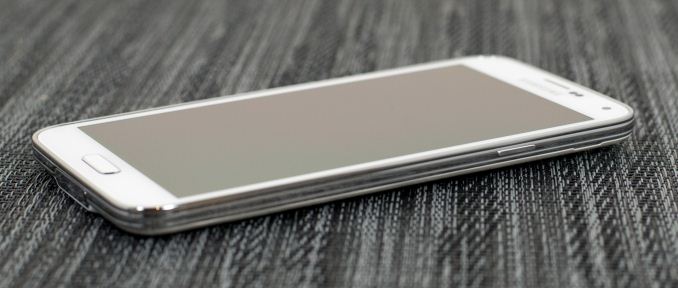
Samsung Galaxy S5 |
||||||
Specifications |
||||||
Height |
142 mm |
|||||
Width |
72.5 mm |
|||||
Depth |
8.1 mm |
|||||
Weight |
145 g |
|||||
CPU |
MSM8974ACv3 2.45 GHz (Quad Core Krait 400) |
|||||
GPU |
Adreno 330 |
|||||
RAM |
2 GB LPDDR3 |
|||||
NAND |
16/32 GB NAND microSD |
|||||
Camera |
16MP (5132 x 2988) Rear Facing with 1.12 µm pixels, 1/2.6" CMOS size, 31 mm (35mm effective), 2MP FFC |
|||||
Display |
5.1” 1080p SAMOLED HD |
|||||
Battery |
10.78 Whr |
|||||
Price |
$749 (16 GB) Currently N/A (32 GB) |
|||||
Phablet: Samsung Galaxy Note 3
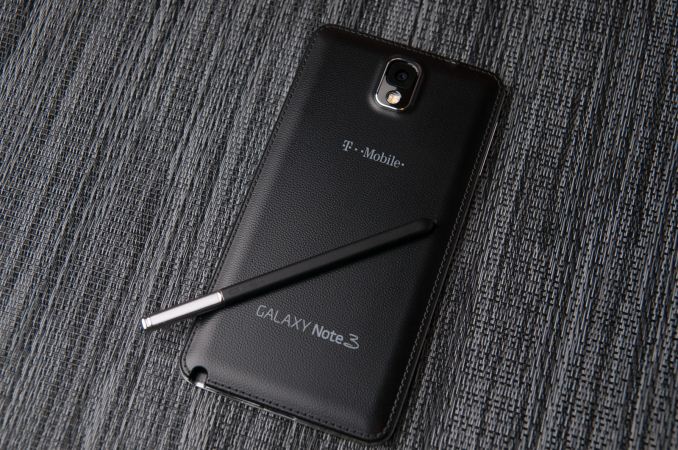
Samsung Galaxy Note 3 |
||||||
Specifications |
||||||
Height |
151.2 mm |
|||||
Width |
79.2 mm |
|||||
Depth |
8.3 mm |
|||||
Weight |
168 g |
|||||
CPU |
MSM8974AB 2.3 GHz (Quad Core Krait 400) |
|||||
GPU |
Adreno 330 |
|||||
RAM |
3 GB LPDDR3 |
|||||
NAND |
16/32 GB NAND microSD |
|||||
Camera |
13MP Rear Facing with 1.12 µm pixels, 1/3.06" CMOS size, 31 mm (35mm effective) F/2.2 4k30, 2MP FFC |
|||||
Display |
5.7” 1080p SAMOLED HD |
|||||
Battery |
12.1 Whr |
|||||
Price |
$570 (16 GB) $600 (32 GB) |
|||||
Mid-Range: LG Google Nexus 5
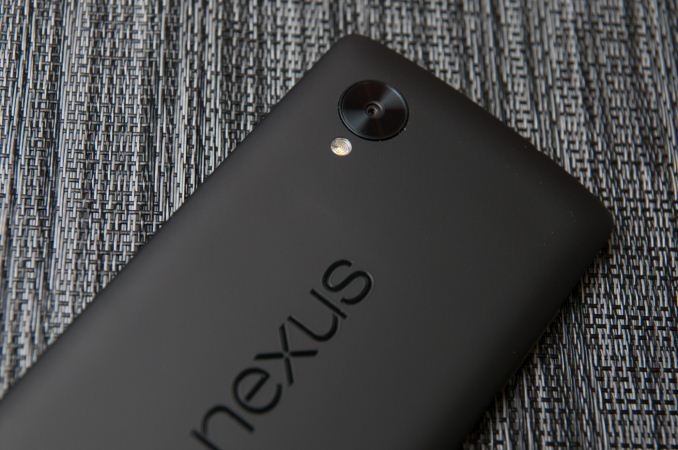
Where else does the Nexus 5 do well? The display is well calibrated out of the box, there is 16 GB of internal NAND with an inexpensive upgrade to 32 GB, and it’s fully unlocked.
Google Nexus 5 |
||||||
Specifications |
||||||
Height |
137.84 mm |
|||||
Width |
69.17 mm |
|||||
Depth |
8.59 mm |
|||||
Weight |
130 g |
|||||
CPU |
2.26 GHz MSM8974 (Quad Core Krait 400) |
|||||
GPU |
Adreno 330 |
|||||
RAM |
2 GB LPDDR3 |
|||||
NAND |
16/32 GB NAND |
|||||
Camera |
8 MP with OIS, AF, LED flash, 1.3 MP front facing |
|||||
Display |
4.95" 1920x1080 HD IPS LCD |
|||||
Battery |
8.74 Whr |
|||||
Price |
$349 (16 GB) $399 (32 GB) |
|||||
Low Cost: Motorola Moto G
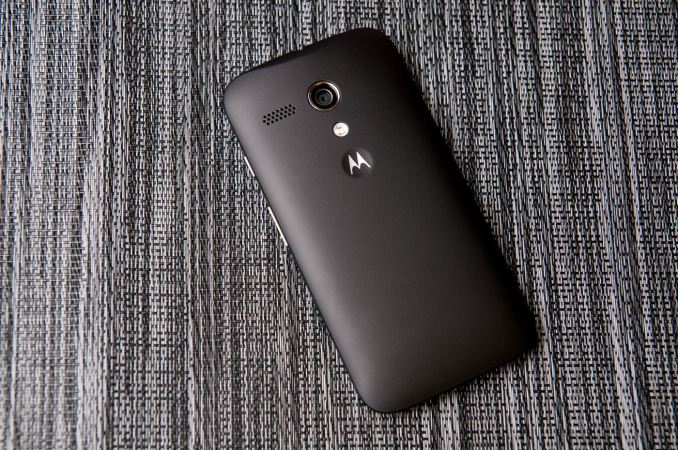
Motorola Moto G |
||||||
Specifications |
||||||
Height |
129.9 mm |
|||||
Width |
65.9 mm |
|||||
Depth |
11.6 mm |
|||||
Weight |
143 g |
|||||
CPU |
MSM8x26 1.2 GHz (Quad Core Cortex A7) |
|||||
GPU |
Adreno 305 |
|||||
RAM |
1 GB LPDDR3 |
|||||
NAND |
8/16 GB NAND |
|||||
Camera |
5 MP w/AF, LED Flash, 1.3 MP FFC |
|||||
Display |
4.5" LCD 1280x720 |
|||||
Battery |
7.9 Whr |
|||||
Price |
$179 (8 GB) $199 (16 GB) |
|||||
Windows Phone
On the Windows Phone side, things are a bit easier. Although Microsoft is trying to change this, right now the market is Nokia, and pretty much nothing else. Luckily for Windows Phone fans, that’s not really a bad thing since Nokia has made some nice devices. The Windows Phone side is generally behind Android on hardware specs, although with the latest releases it’s only slightly behind with the best devices offering Snapdragon 800 rather than the 801 of the most recent Android devices. Let’s take a look at the picks.Flagship Device: Nokia Lumia 930 (Icon)
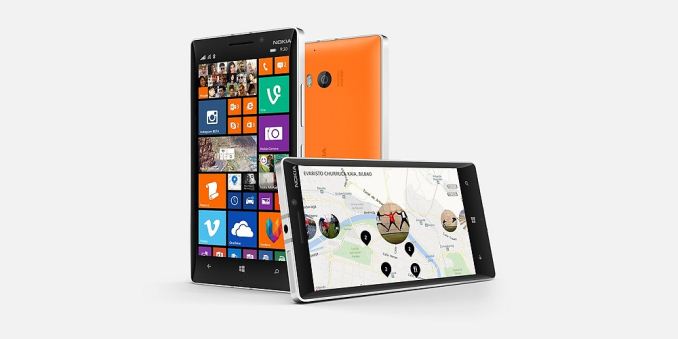
Nokia Lumia 930 (Icon) |
||||||
Specifications |
||||||
Height |
137 mm |
|||||
Width |
71 mm |
|||||
Depth |
9.8 mm |
|||||
Weight |
167 g |
|||||
CPU |
MSM8974 2.2 GHz (Quad Core Krait 400) |
|||||
GPU |
Adreno 330 |
|||||
RAM |
2 GB LPDDR3 |
|||||
NAND |
32 GB NAND |
|||||
Camera |
20 MP PureView OIS 1/2.5" F/2.4 Dual LED, 1.2 MP FFC |
|||||
Display |
5" AMOLED 1920x1080 |
|||||
Battery |
9.2 Whr |
|||||
Price |
$599 (32 GB) |
|||||
Phablet: Nokia Lumia 1520
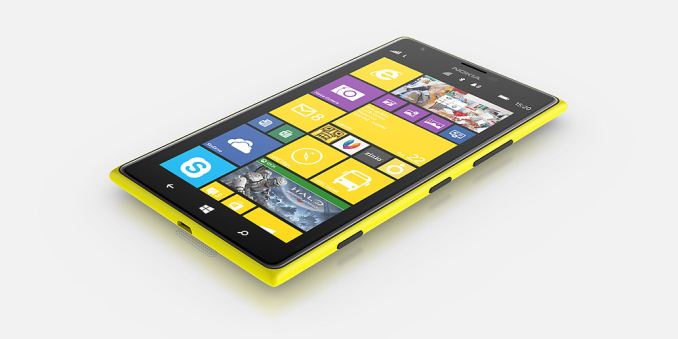
Nokia Lumia 1520 |
||||||
Specifications |
||||||
Height |
162.8 mm |
|||||
Width |
85.4 mm |
|||||
Depth |
8.7 mm |
|||||
Weight |
209 g |
|||||
CPU |
MSM8974 2.2 GHz (Quad Core Krait 400) |
|||||
GPU |
Adreno 330 |
|||||
RAM |
2 GB LPDDR3 |
|||||
NAND |
16/32 GB NAND microSD |
|||||
Camera |
20 MP PureView OIS 1/2.5" F/2.4 Dual LED, 1.2 MP FFC |
|||||
Display |
6" IPS LCD 1920x1080 |
|||||
Battery |
12.9 Whr |
|||||
Price |
$575 (32 GB) |
|||||
Mid-Range: Nokia Lumia 1020
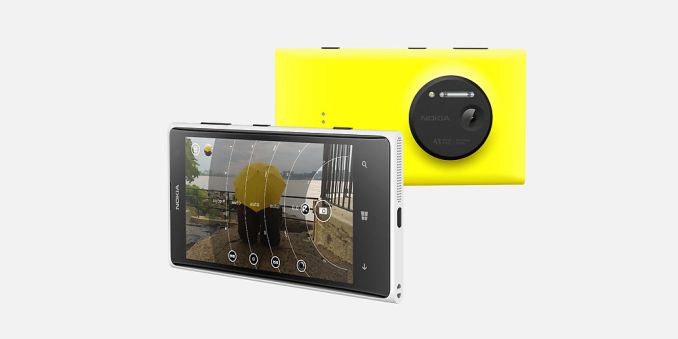
Nokia Lumia 1020 |
||||||
Specifications |
||||||
Height |
130.4 mm |
|||||
Width |
71.4 mm |
|||||
Depth |
10.4 mm |
|||||
Weight |
158 g |
|||||
CPU |
MSM8960 1.5 GHz (Dual Core Krait) |
|||||
GPU |
Adreno 225 |
|||||
RAM |
2 GB LPDDR3 |
|||||
NAND |
32 GB NAND |
|||||
Camera |
41 MP PureView OIS 1/1.5" F/2.2 Dual LED/Xenon, 1.2 MP FFC |
|||||
Display |
4.5" AMOLED 1280x768 |
|||||
Battery |
7.6 Whr |
|||||
Price |
$440 (32 GB) |
|||||
Low cost: Nokia
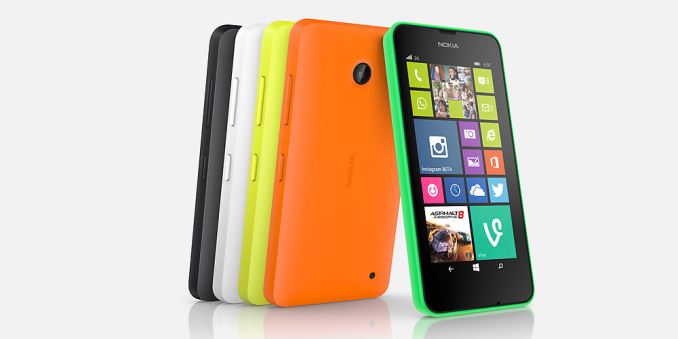
Nokia Lumia 630 |
||||||
Specifications |
||||||
Height |
129.5 mm |
|||||
Width |
66.7 mm |
|||||
Depth |
9.2 mm |
|||||
Weight |
134 g |
|||||
CPU |
MSM8x26 1.2 GHz (Quad Core Cortex A7) |
|||||
GPU |
Adreno 305 |
|||||
RAM |
512 MB LPDDR3 |
|||||
NAND |
8 GB NAND microSD |
|||||
Camera |
5 MP 1/4" F/2.4 Dual LED, No FFC |
|||||
Display |
4.5" IPS LCD 854x480 |
|||||
Battery |
7 Whr |
|||||
Price |
$159 (Single SIM) $169 (Dual SIM) |
|||||
Read More ...
Computex 2014: AMD Demonstrates First FreeSync Monitor Prototype

First announced at CES 2014, FreeSync is AMD’s take on variable refresh monitors, utilizing some variable refresh functionality first designed for embedded DisplayPort (eDP). At the time AMD was showing off the concept on laptops (due to the need for eDP) but are back at Computex with an update on the project.
Here at Computex AMD is showing off the first prototype monitor that is FreeSync capable, which interestingly enough is based on a retail monitor that was hardware capable and could be converted with updated firmware. AMD’s actual demo hasn’t changed – they’re still running the fan blade demo we saw at CES 2014 – but it’s now running on external monitors. The monitor in question operates with a fairly narrow range of rates of just 40Hz to 60Hz, which for the purposes of a prototype is good enough to showcase that the technology works, though it is narrower than the refresh ranges AMD is expecting for retail monitors.
At this point AMD is emphasizing that while they were able to get FreeSync up and running on existing hardware, owners shouldn’t be expecting firmware updates as this is very unlikely to happen (though this is ultimately up to monitor manufacturers). Instead AMD is using it to demonstrate that existing panels and scalers already exist that are capable of variable refresh, and that retail monitors should not require significant/expensive technology upgrades. Meanwhile AMD is also holding to their earlier projection of 6-12 months for retail monitor availability with retail prototypes expected around September, which puts final retail availability potentially as early as very late this year, but more likely into the first half of 2015.
Finally we have a video interview of the FreeSync demo in action. It bears mentioning that YouTube is limited to 30fps, so while we can give you some idea of what FreeSync performs like it’s not a fully capable representation. That will have to wait for closer to release when we can sit down with a high speed camera.
Read More ...
The AnandTech Podcast: Episode 29 - Computex 2014 Mobile Show

Recorded live from Computex 2014, on this episode Anand Shimpi & Ian Cutress discuss recent developments at WWDC, Computex, and in the mobile market. Anand & Ian kick things off with a discussion of LG's new G3 phone, along with side discussions on ideal phone sizes and finishes. Then on to Intel's recent Baytail tablet announcements and Rockchip partnership. This is followed with an in-depth discussion of various WWDC happenings, including iOS 8, OS X Yosemite, Apple's Metal API, Continuity, and mobile gaming in general. Wrapping things up is a look at the mobile market in general, along with Intel's Computex announcement, the Core-M.
Featuring Anand Shimpi & Dr. Ian Cutress
iTunes
RSS - mp3, m4a
Direct Links - mp3, m4a
Total Time: 48 minutes 10 seconds
Outline h:mm
LG G3 - 0:00
Side Discussion: Phone Size - 6:30
Phone Finish - 12:00
Intel Baytrail Tablets - 14:10
Intel Rockchip Partnership & SoFIA - 18:30
Apple WWDC Recap - 24:30
Apple Metal API - 27:00
Mobile Gaming - 30:30
iOS/OS X Continuity - 37:00
Cloud Storage - 40:20
WWDC In Conclusion - 42:30
Intel Core-M: 45:00
Side Discussion: Phone Size - 6:30
Phone Finish - 12:00
Intel Baytrail Tablets - 14:10
Intel Rockchip Partnership & SoFIA - 18:30
Apple WWDC Recap - 24:30
Apple Metal API - 27:00
Mobile Gaming - 30:30
iOS/OS X Continuity - 37:00
Cloud Storage - 40:20
WWDC In Conclusion - 42:30
Intel Core-M: 45:00
Read More ...
The AnandTech Mobile Show: Computex 2014 Edition

Check out the show in the video below:
Read More ...
Computex 2014: X99 on Display from ASRock


Read More ...
Computex 2014: GIGABYTE’s Liquid Nitrogen Memory Overclocking Motherboard, Z97X-SOC Force LN2


Read More ...
Computex 2014: ADATA Shows XPG Z1 DDR4 At 3200MHz

Similar to Crucial, ADATA's big thing to show was their DDR4. ADATA is one of the few OEMs that will be ready with their DDR4 once Intel's X99 platform ships and they will have a relatively wide range of products available. Their DDR4 solutions will start at 2133MHz and will go all the way to up to 3200MHz, which is 200MHz faster than what Crucial will be releasing at launch. The latency rating for the 3200MHz will be CL16 but at 2133MHz and 2400MHz ADATA will offer latencies of as low as CL12. ADATA also emphasized that they have focused on the overclockability, so it will be interesting to see what kind of speeds can be reached. Kits of 8GB (2x4GB) and 16GB (2x8GB) will be available and you should expect to see them hit retail as soon as the X99 does.


Read More ...
Computex 2014: Crucial Shows Ballistix Elite DDR4

The big thing about DDR4 is that it comes with a lower voltage of 1.2V compared to 1.5V that DDR3 uses by standard. That will result in lower power consumption, which ultimately means longer battery life for mobile devices. In addition, DDR4 is also bringing higher speeds because right at the beginning we are going to see products at 3000MHz, although Crucial told me that they have been able to get the modules to run at up to 3200MHz, so we might see even faster modules pretty soon. DDR4 will also bring support for higher densities (4Gb vs 1Gb), which will allow bigger for higher capacity DIMMs. While Crucial's offerings will be limited to 8GB at launch, they (well, Micron) has quad rank server DIMMs that go to up to 32GB but only at 2133MHz.
In addition to DDR4, Crucial also had the MX100 at their suite. We already reviewed the drive earlier this week when it officially launched, so there isn't really anything new to share, but Crucial was able to tell me that they are working on an SSD toolbox that should be available within a few months (I was told around September). This has been one of the only things missing from Crucial's SSDs, so it's great to see that they are responding to the public demand. The supply of MX100 should also be a lot better than the M500 when it launched, meaning that you shouldn't see any sold out tags at every retailer.
Read More ...
Apple Reveals iOS 8 at WWDC
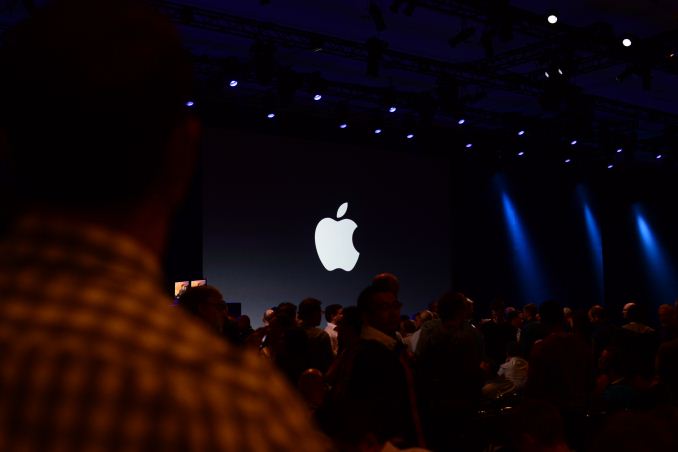
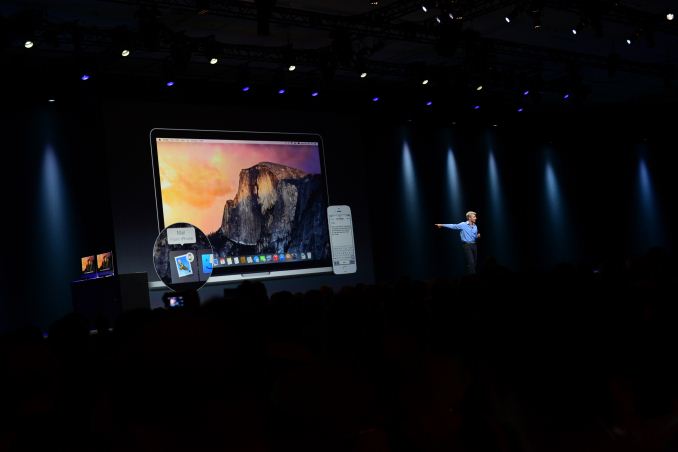
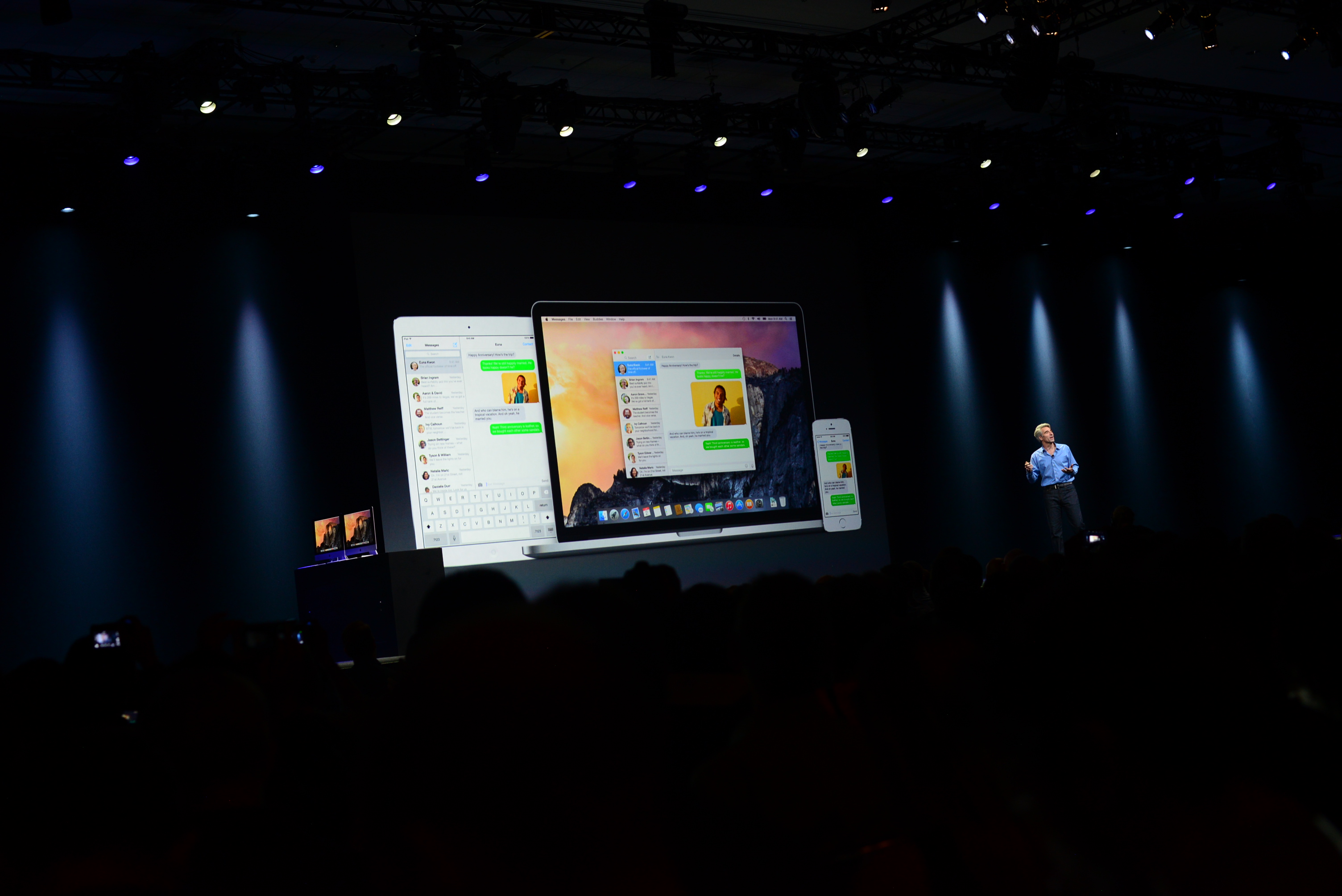
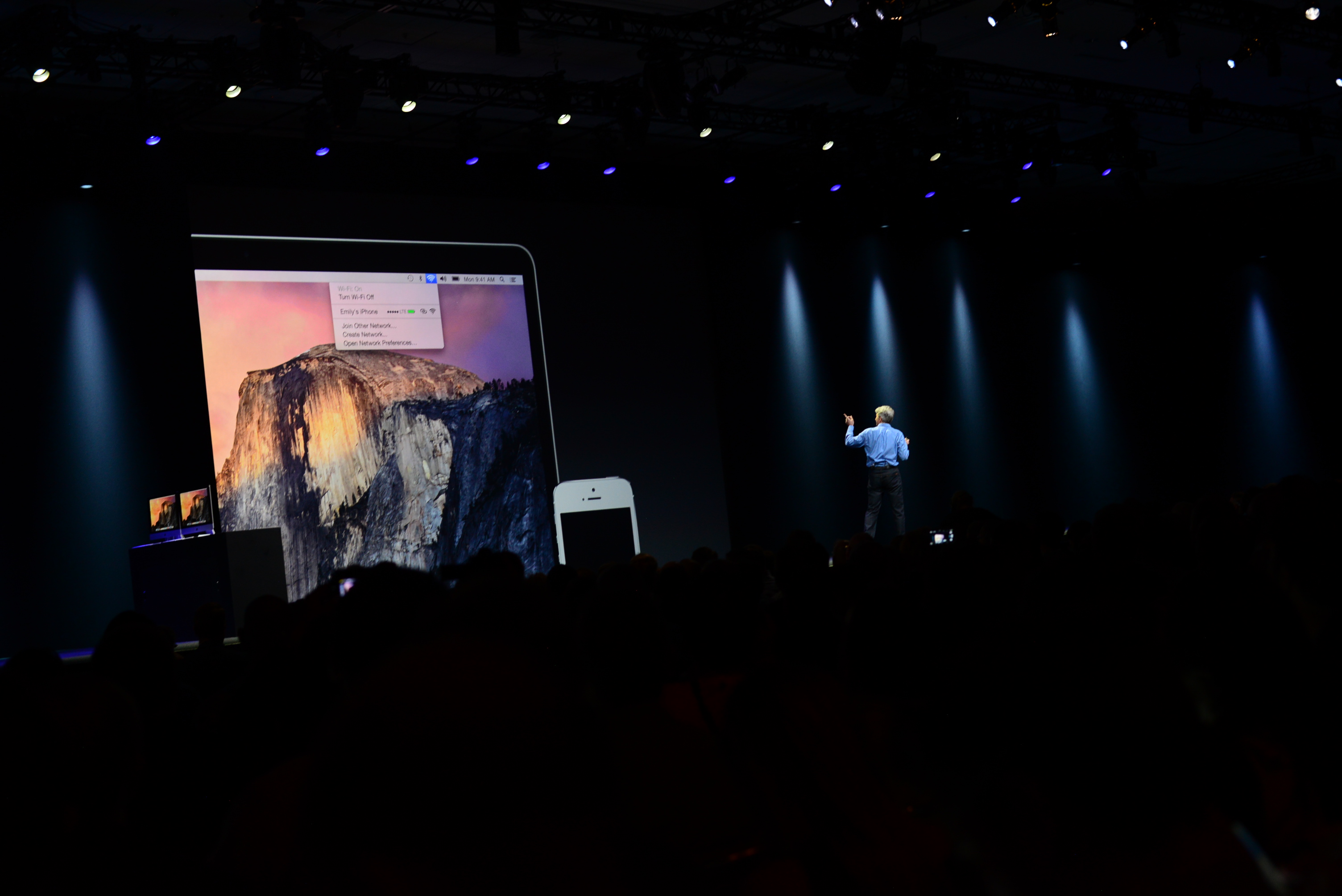
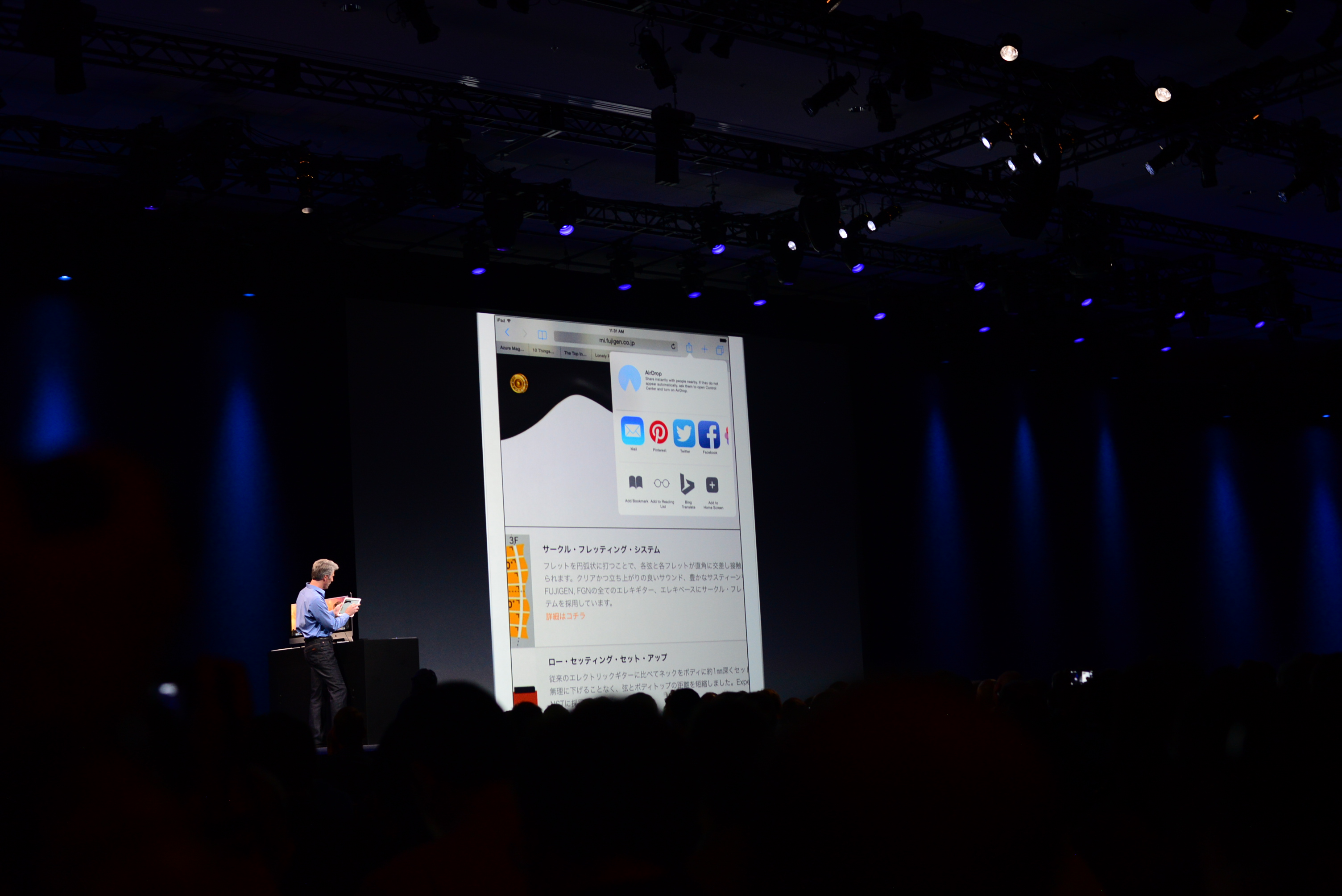
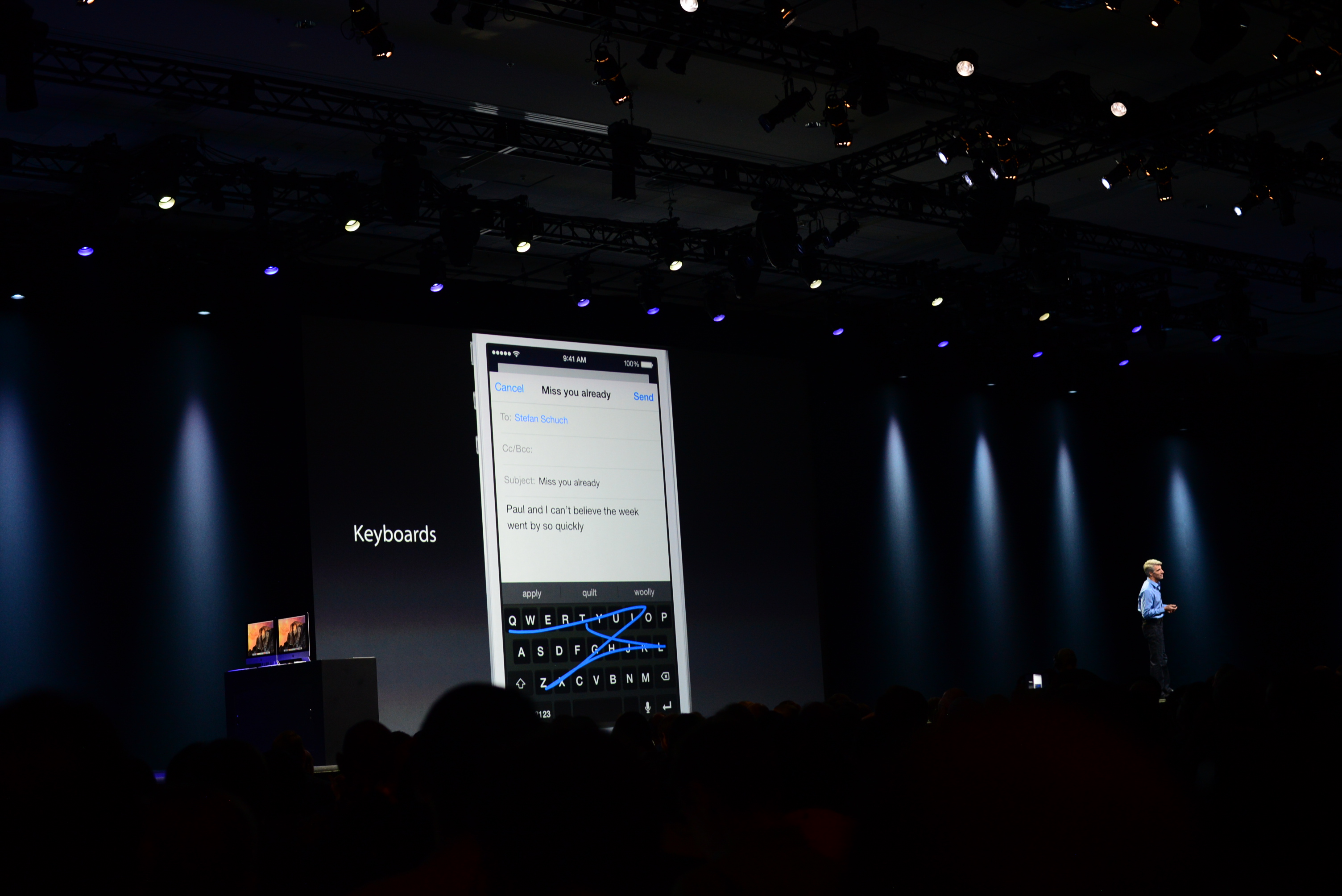
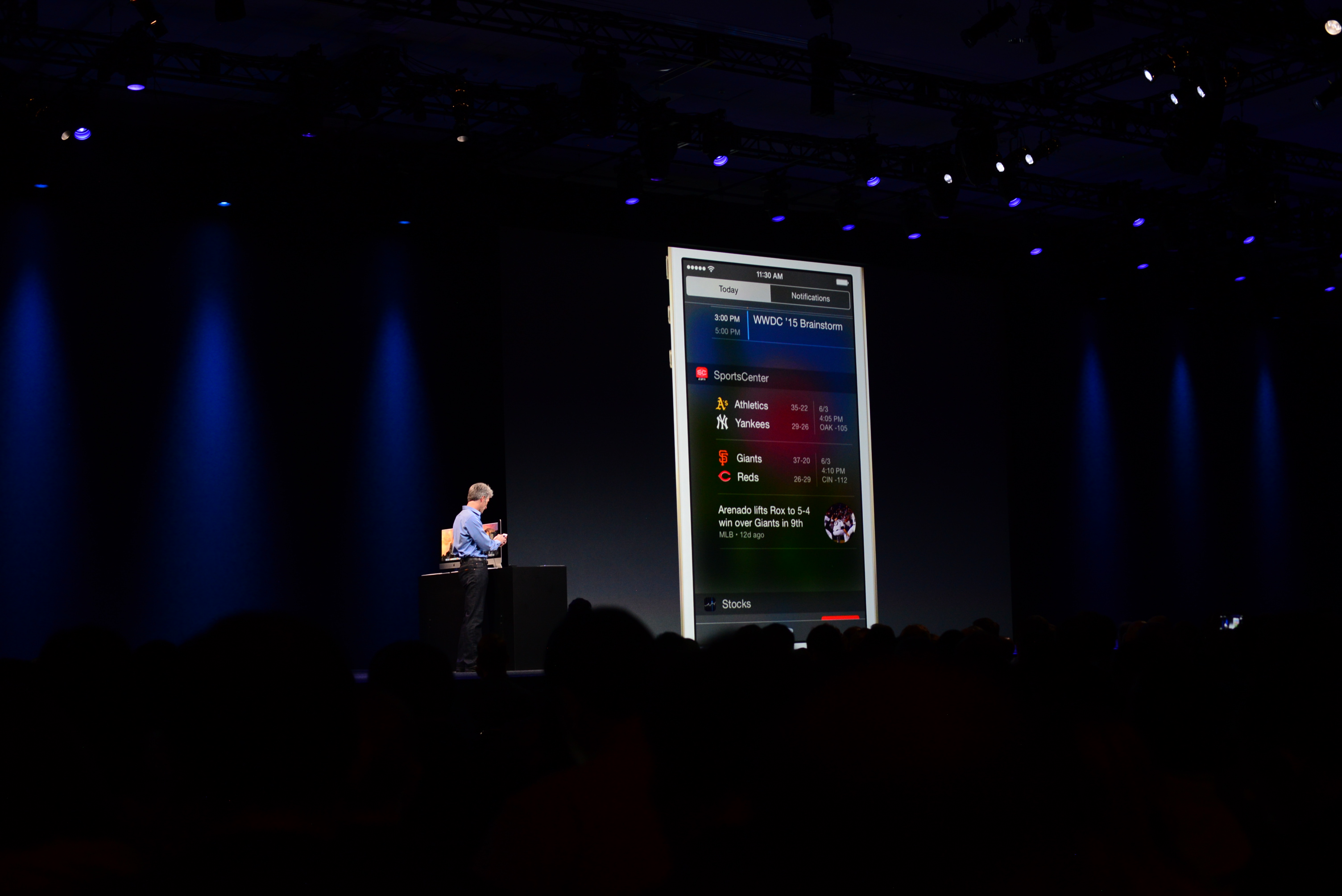
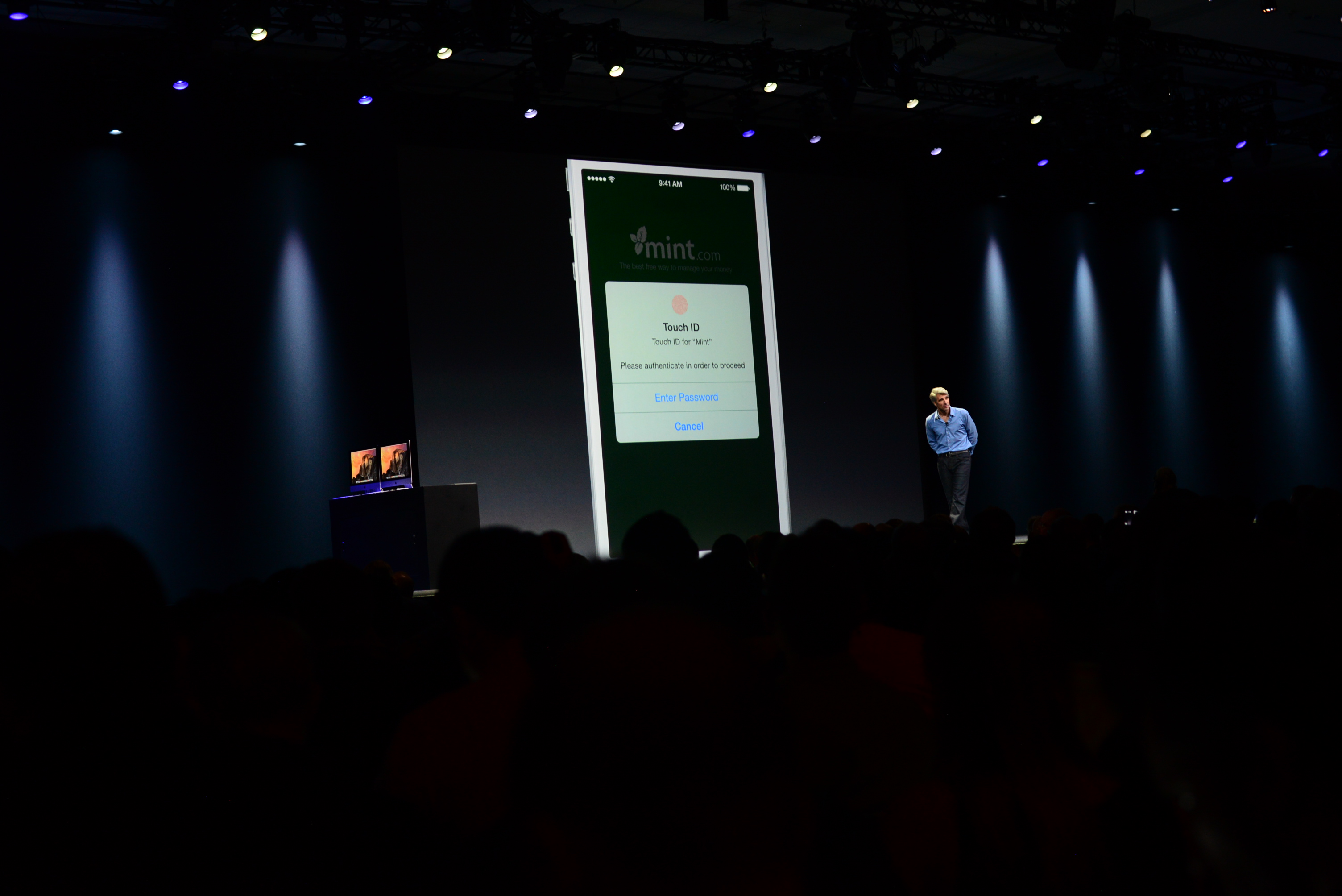
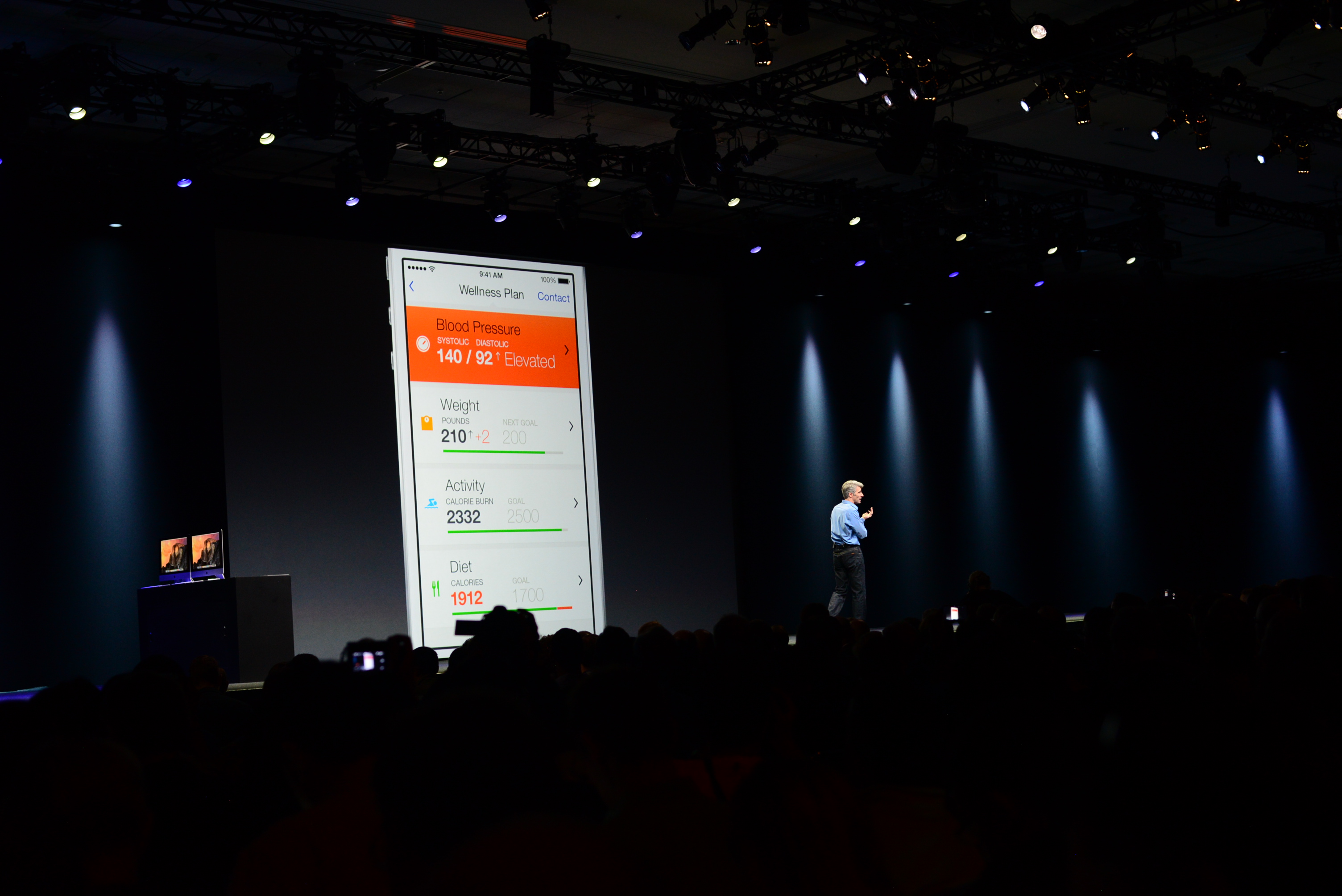
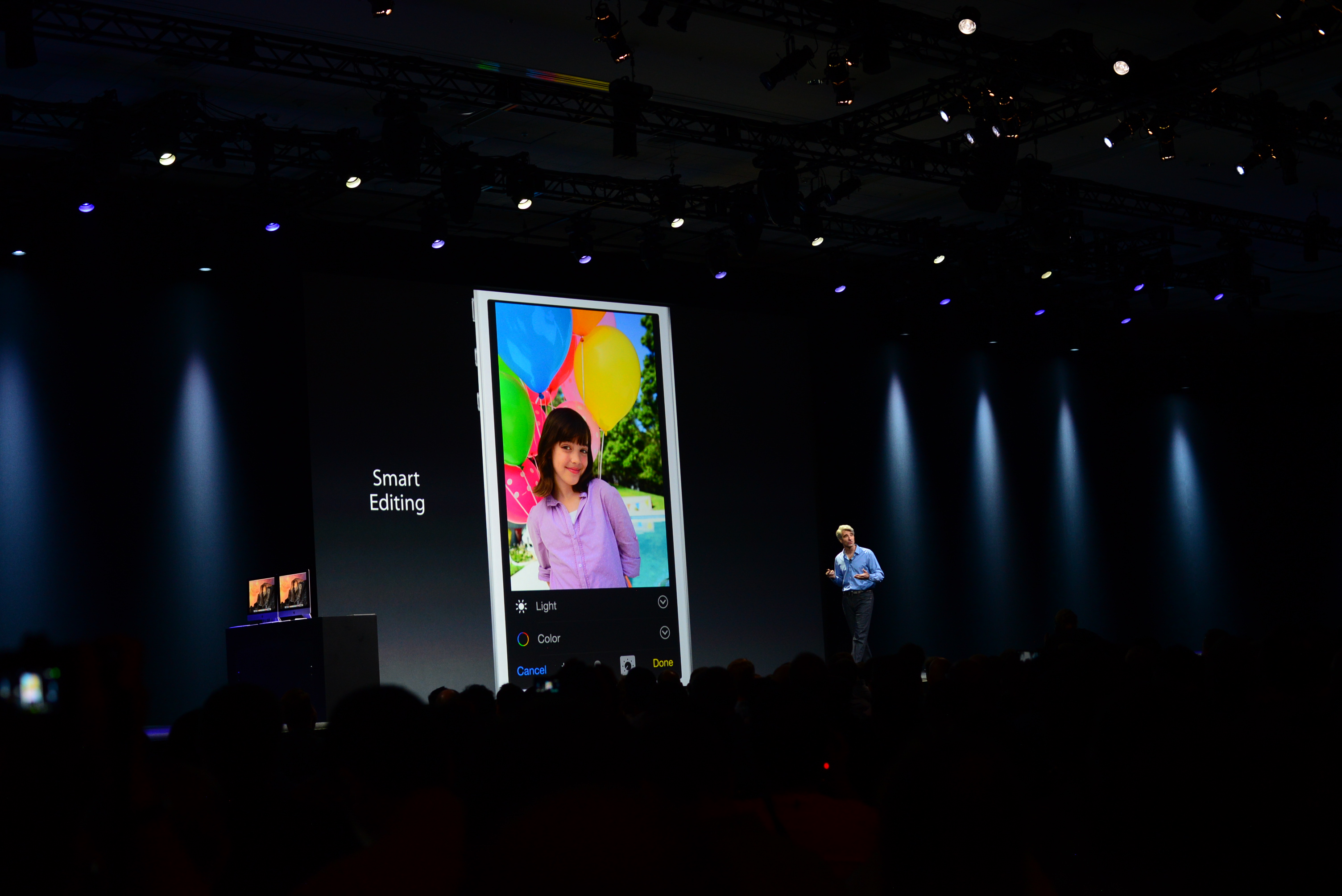
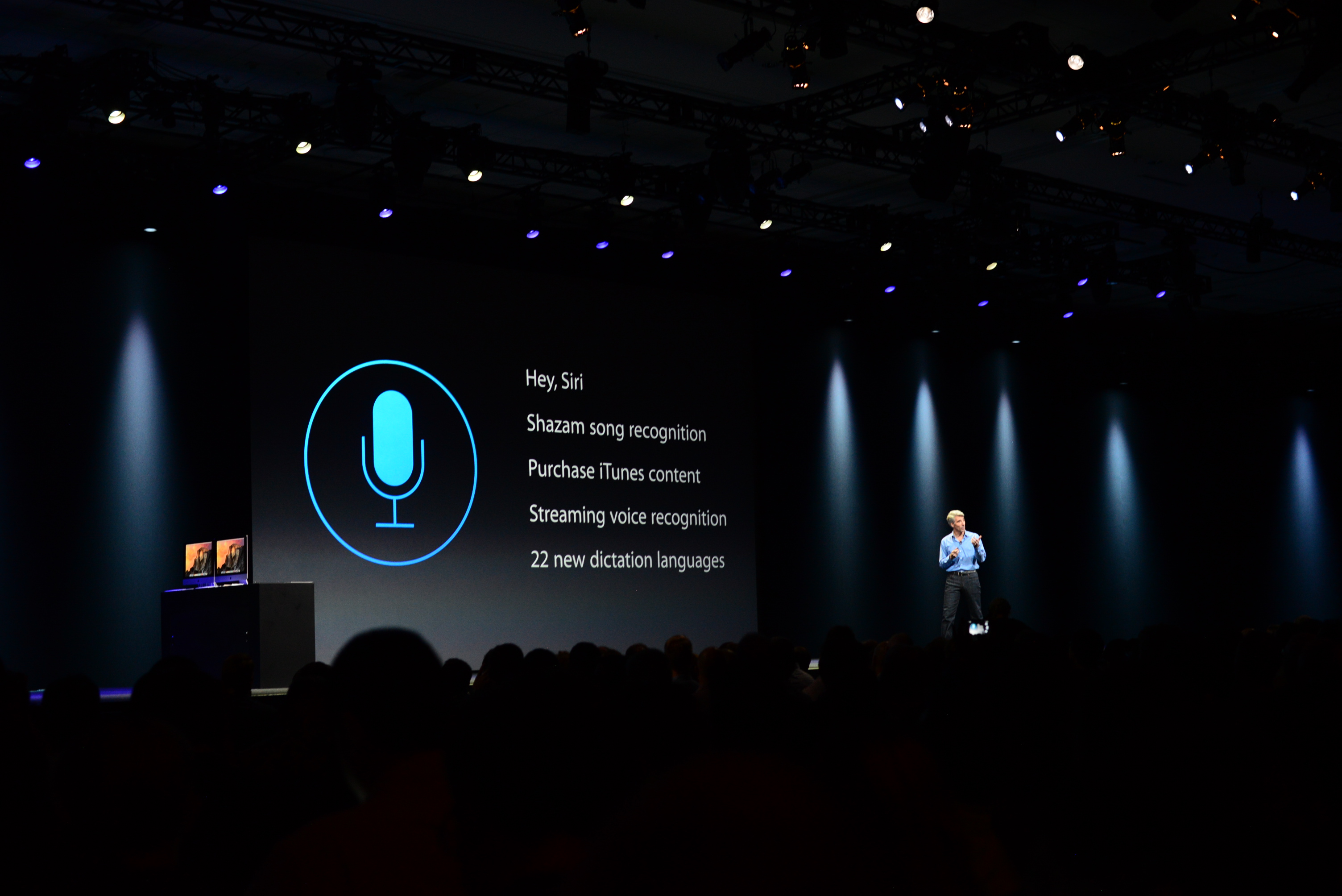
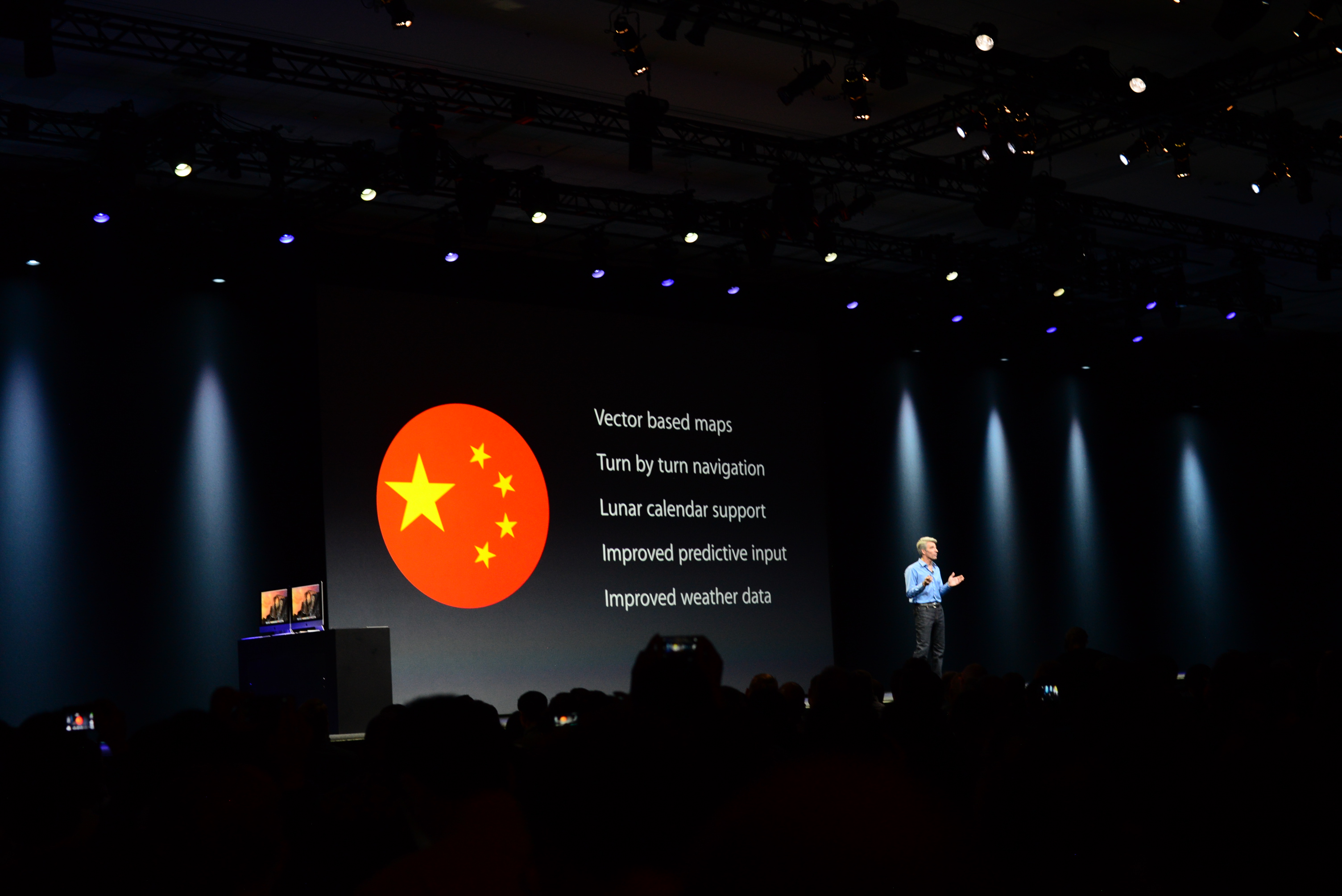
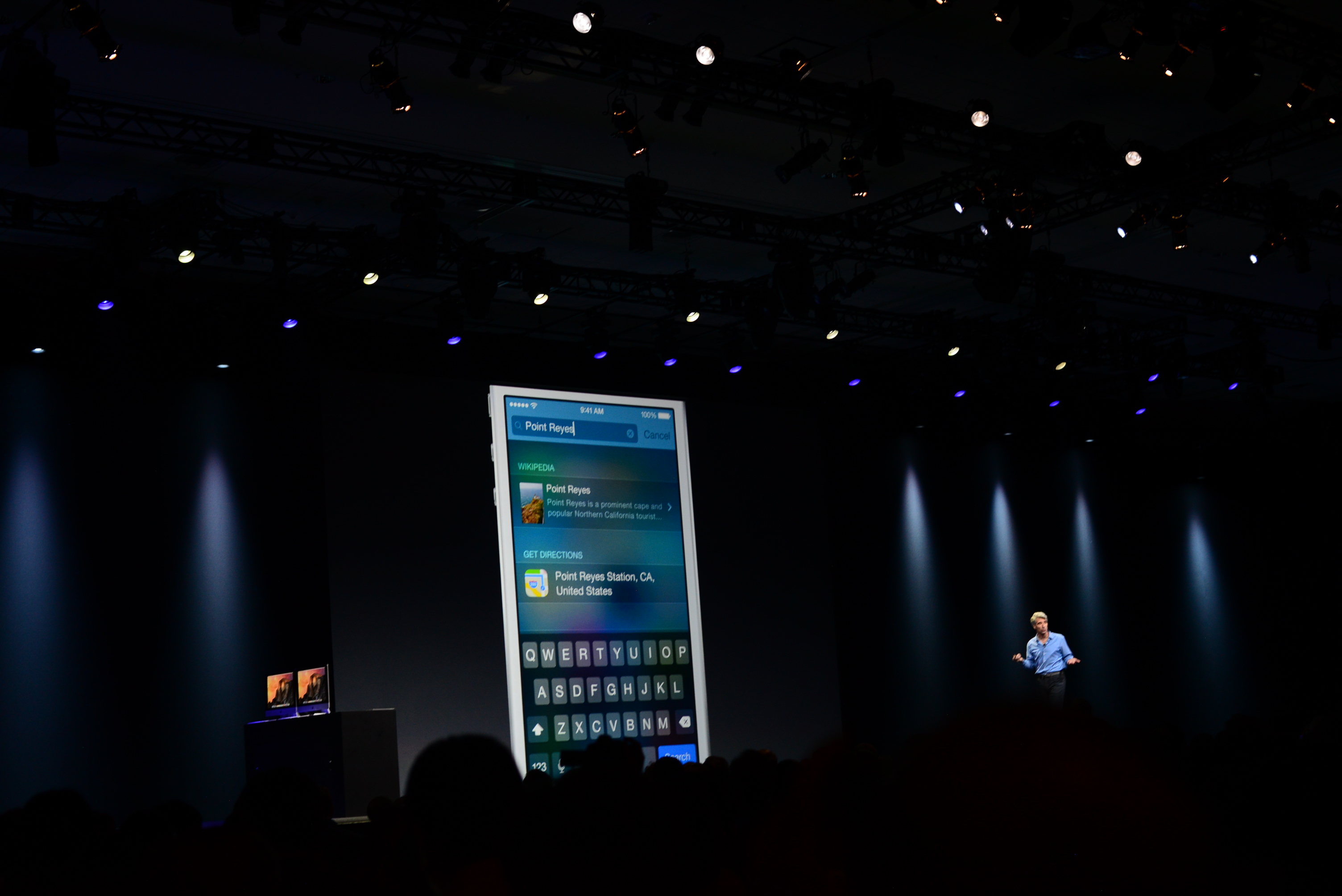
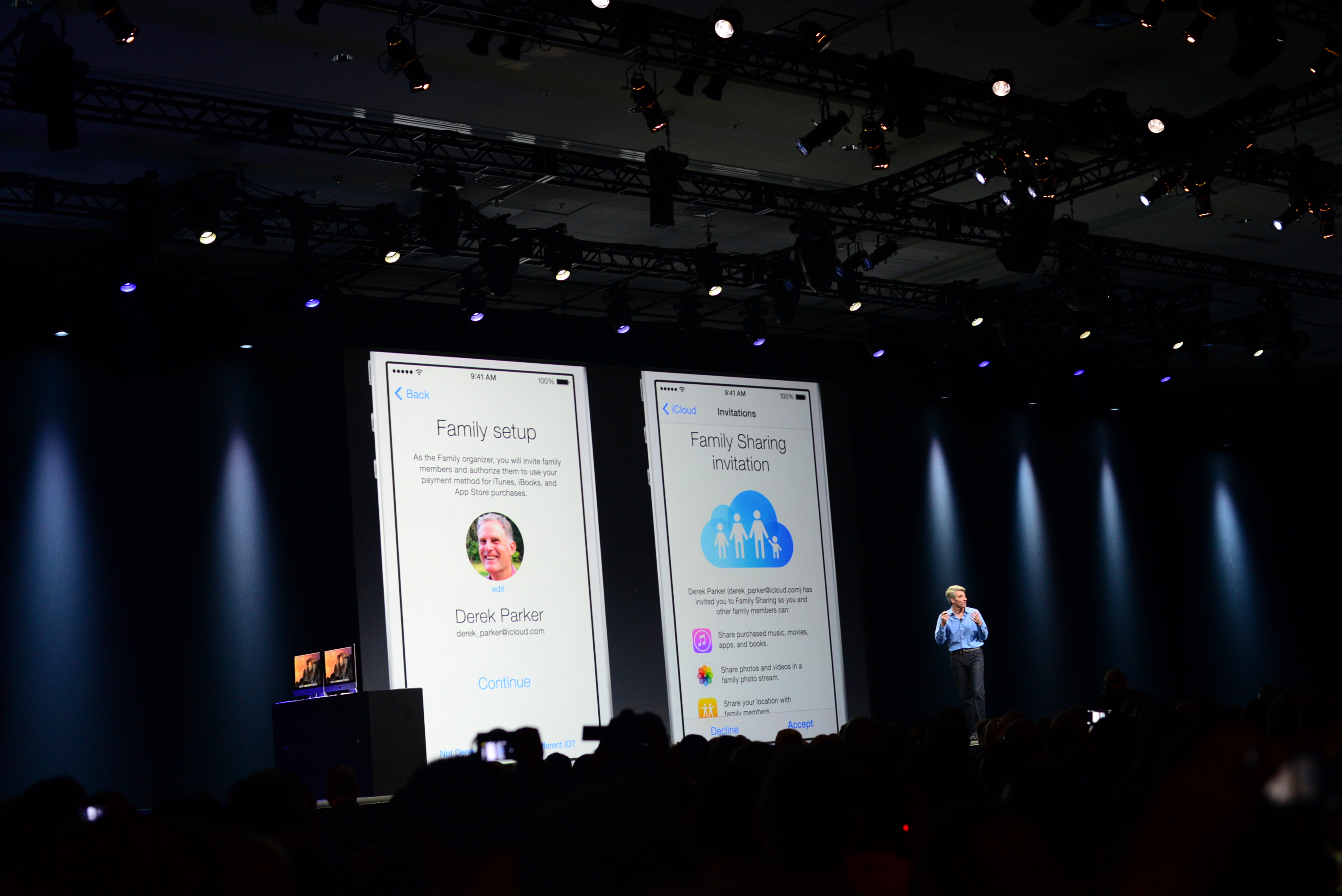
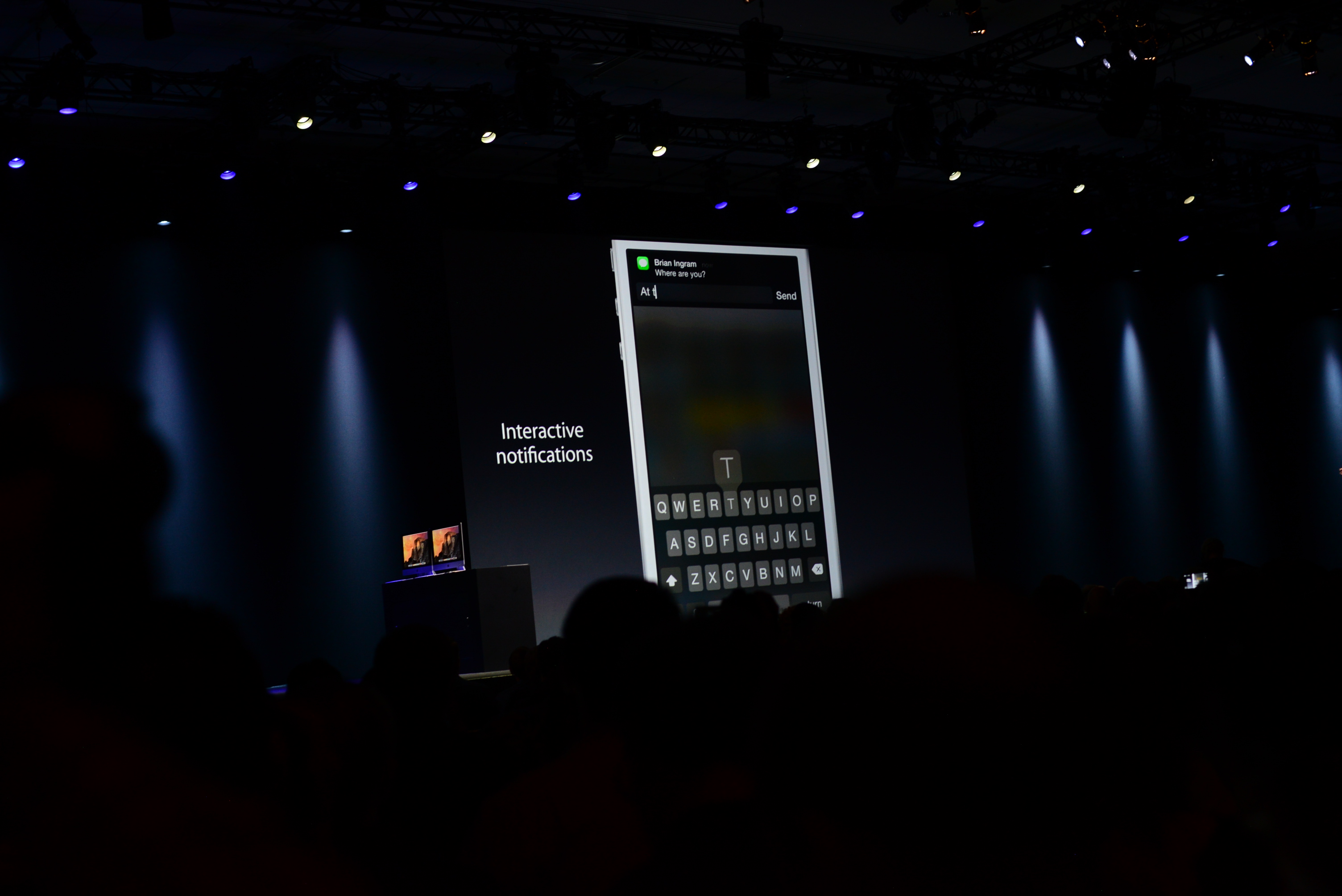
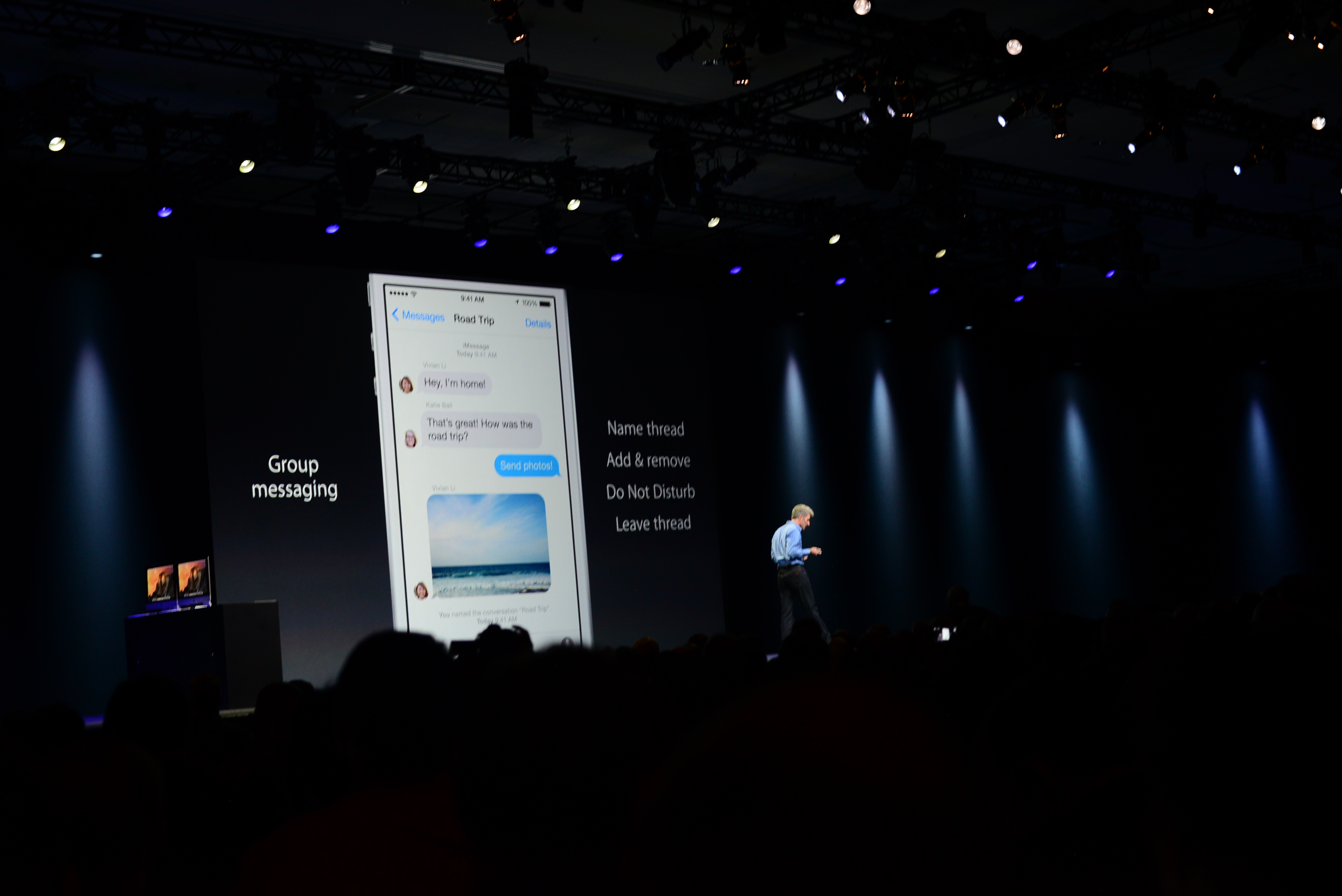
Overall, Apple has definitely done a great job with iOS 8. We're excited to see how well this update plays out in the coming months in the context of the broader mobile OS landscape, and also to see what else will be discovered from beta to public availability. While hardware wasn't talked about at all for this presentation, it doesn't seem as necessary as some make it out to be.
Read More ...
Liveblogging with the Surface Pro 3

In short, it was surprisingly usable, although there are a few caveats. These issues basically come down to a lack of polish, as I encountered some strange bugs throughout the day as I tried to write things down.
The first and single most irritating issue is the trackpad, which has a tendency to activate while typing. This usually means that I would end up clicking a previous line and an entire sentence would be inside of another word in a sentence. This broke the flow of typing quite often.
Second, I often encountered another odd issue that seemed to force the alt-key to be constantly activated, which meant I couldn’t write text, and fixing this required removing the keyboard dock and then attaching it again.
Third, the kickstand is noticeable due to the thin area that it distributes weight upon. This puts pressure on a specific area which can leave marks, although I didn’t have a problem with this. I also noticed that the wake latency isn’t as fast as an ARM-based tablet, although it’s certainly not the 10-20 second wake latency that I’ve come to expect on my hard drive-based desktop.
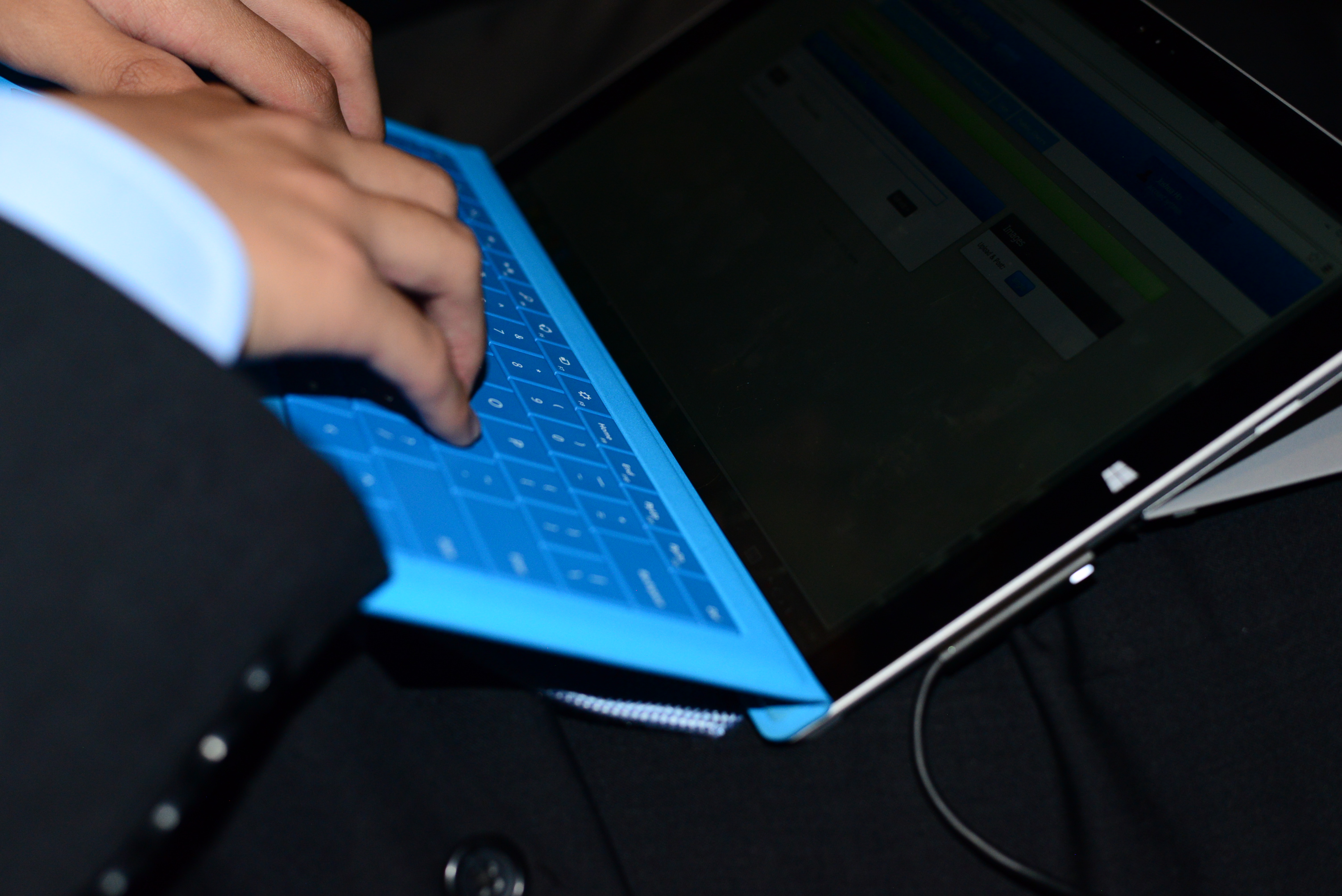
The adjustable kickstand is also great for finding comfortable positions, and I never really felt that the tablet was at risk of falling off of my lap or on to my fingers. The magnetic strip above the type cover was also great to help elevate the keyboard, although I found that this is mostly helpful in cases where the loss in keyboard rigidity isn’t noticeable. I also didn’t struggle with the new placement of the Windows home button, and I found that swipe gestures didn’t suffer from this new placement. I’m still not the biggest fan of Windows 8.1 and the lack of a start menu out of the box, but I still found the OS to be usable.
Ultimately, I’m a big fan of the hardware. Microsoft just needs to fix some bugs.
Read More ...
Computex 2014: Update on SandForce SF3700 & A Live Demo
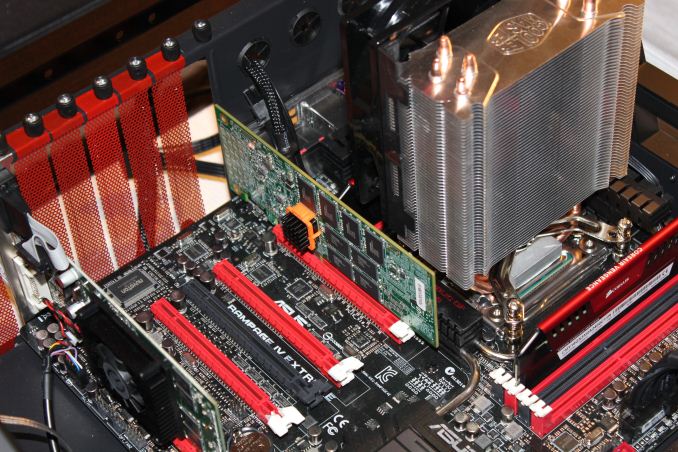
The firmware development is still ongoing and LSI told me that they have just started optimizing the write performance of the firmware. In other words, it's not even ready for final validation, which means that the OEMs can't fully validate their products yet because the firmware is not final. That's why I doubt we'll see any retail products shipping this year and none of the manufacturers I've talked to so far have given me any timing for their SF3700 products.

Performance wise LSI is focusing on mixed read/write performance. While the PCIe drives shipping today (like the Samsung XP941) provide great read and write performance, they aren't optimized for workloads that consist of both reads and writes. In other words, the drives are more optimized for benchmarks as those usually test one or the other, whereas real world workloads will always have both. This is an area we definitely need to investigate more -- we've been doing this for the enterprise for a while but we will likely be bringing it to the client side soon as well.

Furthermore, the SF3700 should bring much improved performance with incompressible data. I wasn't able to get any details other than that LSI is implementing an option to disable compression so the drives will perform the same regardless of the data type. While I think compression definitely has its advantage (higher performance, more over-provisioning...), I can see this being a big deal for some OEM customers who need their components to perform consistently in all workloads.

Read More ...
AMD Launches Mobile Kaveri APUs
A couple weeks back, AMD briefed us on their upcoming mobile Kaveri APUs. We've known for a while that mobile Kaveri was coming, and after five months the wait is over. Besides providing us with details of the new APU models, we were given some hands on time to run any benchmarks we wanted on a prototype Kaveri laptop. Read on to find out what to expect from mobile Kaveri, and whether it can help AMD gain some needed market share in the world of laptops.
Read More ...
Computex 2014: Samsung Launches TLC-Based 845DC EVO for The Enterprise

Essentially, the 845DC EVO is just the retail version of the PM853T as everything from the NAND to the controller and firmware are similar. Samsung is only disclosing that the drive uses 10nm-class NAND, although I'm fairly certain that it's the same 19nm process as found inside the 840 EVO. I hate to admit that I don't know the exact controller inside the drive because PM853T was never sampled to media but I do have samples of the 845DC EVO, so once I get back from Taipei I will open up the drives and see what's inside.
I don't have the full data sheet yet but Samsung's press release mentions that the drive is capable of up to 530MB/s sequential read speeds and 87K IOPS random read, which are quite typical for a SATA 6Gbps drive. The endurance goes all the way to up to 600TB, so while that is not MLC level, it's still pretty good given that we are dealing with much lower endurance TLC NAND (e.g. the 800GB Micron M500DC does up to 1.9PB) and the drive is more geared towards the read-centric enterprise market (e.g. web servers).
The pricing is very competitive in the enterprise segment. The 845DC EVO will be available in capacities of 240GB, 480GB and 960GB with MSRPs of $250, $490 and $969 respectively. I'll be reviewing the drives in detail once I get back, so stay tuned for our in-depth review in a few weeks.
Read More ...
Ask the Experts: Krisztián Flautner VP of R&D, ARM
Late last year we did an installment of Ask the Experts with ARM's Peter Greenhalgh, lead architect for the Cortex A53. The whole thing went so well, in no small part to your awesome questions, that ARM is giving us direct access to a few more key folks over the coming months.
Krisztián Flautner is Vice President of Research and Development at ARM, and as you can guess - he's focused on not the near term, but what's coming down the road for ARM. ARM recently celebrated its 50 billionth CPU shipment via its partners, well Krisztián is more focused on the technologies that will drive the next 100 billion shipments.
Krisztián holds PhD, MSE and BSE degrees in computer science and engineering from the University of Michigan. He leads a global team that researches everything from circuits to processor/system architectures and even devices. And he's here to answer your questions.
If there's anything you want to ask the VP of R&D at ARM, this is your chance. Leave a comment with your question and Krisztián will go through and answer any he's able to answer. If you've got questions about process tech, Moore's Law, ARM's technology roadmap planning or pretty much anything about where ARM is going, ask away!
Read More ...
Computex 2014: SanDisk Announces Extreme Pro SSD
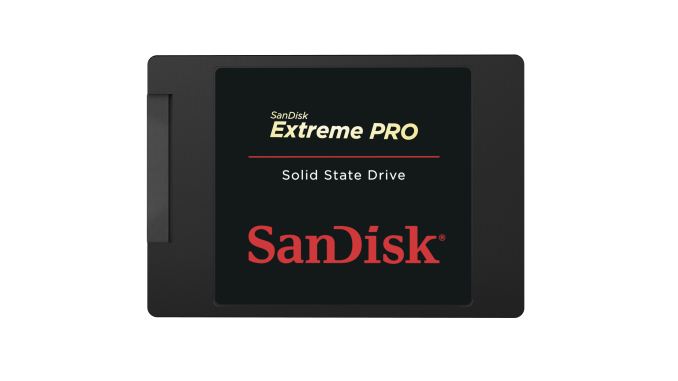


The Extreme Pro will be available later this month through SanDisk's retail partners and the MSRPs are $189 for 240GB, $369 for 480GB and $599 for 960GB. We will be meeting with SanDisk here at Computex and are hoping to get more details, so stay tuned for updates!
Read More ...
Intel Keynote at Computex 2014: 14nm Core-M, SoFIA, Devil’s Canyon, DC P3700 and RealSENSE
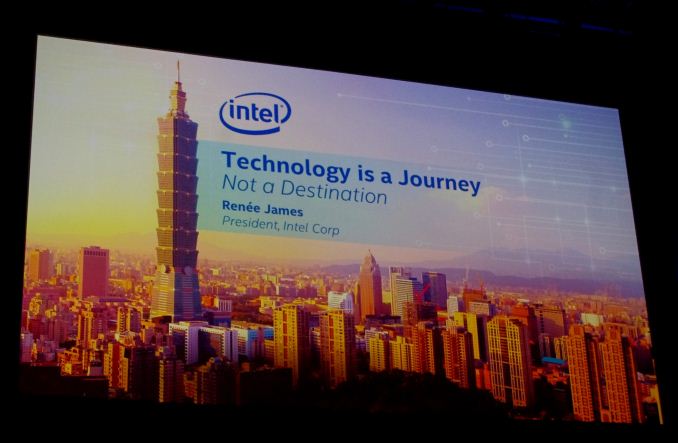

Also on show were tablets based on the Core-M technology, in the 10W range but also fanless.

Intel’s SoFIA platform, the combined quad-core Atom and 3G modem for entry and value markets, will be shipping in Q4. This is the primary purpose of the deal with Rockchip, with derivatives of SoFIA being sold by both parties. Intel’s strategy in this is to get into more markets more quickly and spread the brand.

As an enthusiast, news about Devil’s Canyon being launched was expected, and Intel delivered a brief statement regarding the top SKU having four cores at 4 GHz, as well as the Pentium Anniversary model. Details about these processors came through Intel’s PR channels, but we are still awaiting a retail date. Review samples should be with us when we get back from Computex.

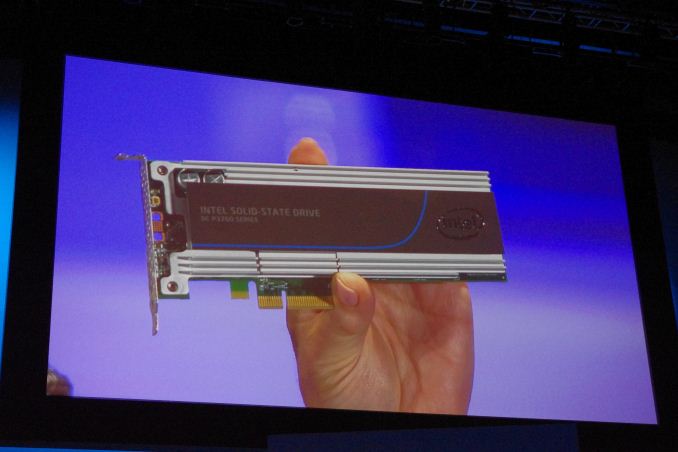
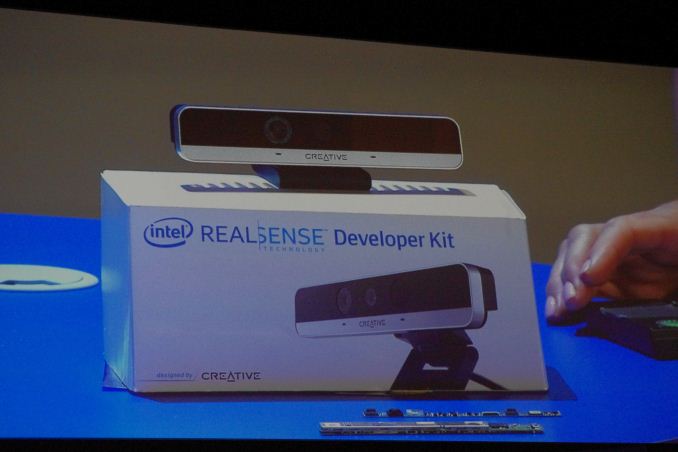


Read More ...
Some Thoughts on Apple’s Metal API

Later this week Apple will be holding their Metal developers sessions, at which time we’ll hopefully get some further details on the API and just how Apple intends to have developers use it. In the meantime with the preliminary Metal programming guide posted over on Apple’s developer website, I wanted to spend a few minutes musing over yesterday’s announcement, how Apple ended up developing their own API, and what this may mean for users and game developers.
Why Low-Overhead APIs?
First and foremost, let’s quickly recap just what exactly Apple has announced. Metal is Apple’s forthcoming low-overhead/low-level graphics and compute API for iOS. Metal is primarily geared towards gaming on iOS, and is intended to offer better graphics performance than the existing OpenGL ES API by curtailing driver overhead and giving developers more direct control over the GPU.As our regular readers are no doubt well aware, Metal is the latest in a wave of low-level graphics APIs to be introduced over the last year in the GPU space, joining the ranks of AMD’s Mantle and Microsoft’s DirectX 12. In the case of Metal, as has been the case of all of these APIs, the idea is rooted in the fact that while high level APIs provide a number of important features from libraries to hardware abstraction, the overhead from this functionality is not worth the benefits, especially in the hands of highly seasoned programmers who have the experience and the means to go close-to-metal and bang on the hardware directly. The situation facing developers in these cases is that at a time when GPU performance growth is rapidly outpacing CPU performance growth, the API and driver overhead has gone from problematic to intolerable, leading to developers wanting to access the hardware directly.

How The Low-Level Mantle API Benefitted DICE's Frostbite Engine
Are SoCs Draw Call Limited?
Upon hearing Apple’s Metal announcement, perhaps the greatest surprise was that iOS developers were in a position where they needed and could benefit from a low-level API like Metal. In the PC space we’ve been seeing low-level APIs rolled out as a solution to the widening gap between CPU and GPU performance, however the SoC class processors in Apple’s iOS devices are a very different beast. As one would expect for a mobile product, neither the CPU nor the GPU is high performance by PC standards, so why should a low-level API be necessary.The answer to that is that while SoCs are lower performance devices, the same phenomena that has driven low-level APIs on the PC has driven them on mobile devices, just on a smaller scale. GPU performance is outgrowing CPU performance on the SoC level just as it has been the PC level, and even worse, SoC class CPUs are so slow that even small amounts of driver overhead can have a big impact. While we take 4000 draw calls for granted on desktop hardware – overhead and all – it’s something of a sobering reminder that this isn’t possible on even a relatively powerful SoC like the A7 with OpenGL ES, and that it took Metal for Crytek to get that many draw calls in motion, never mind other CPU savings such as precompiled shaders. If Apple intends to further gaming on iOS (and all signs are that they do), then capable programmers are going to want low level GPU access to maximize their graphical quality, the same as they do on the desktop and on game consoles.
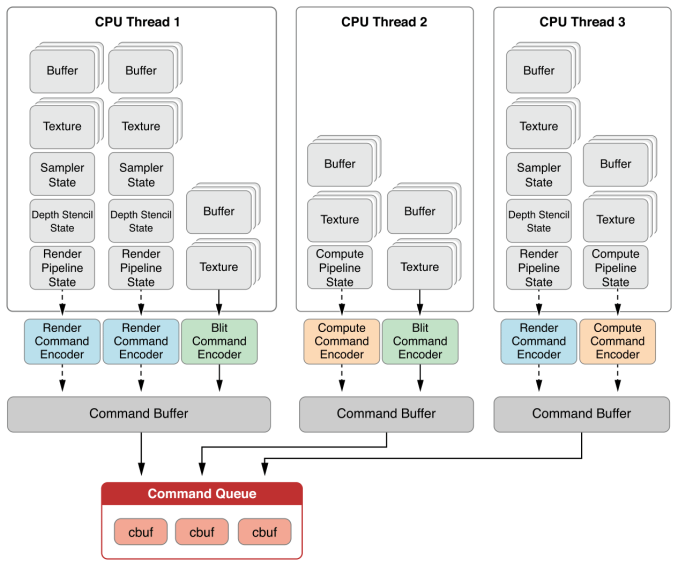
Apple Metal Thread Model (Note that no Apple SoC has more than 2 CPU cores yet)
Ecosystems & Portability
But on that note there’s quite a bit that goes into providing developers with these kinds of tools, which puts Apple in a very interesting position among hardware and OS vendors. Of the other low-level APIs we’ve seen so far – AMD’s Mantle and Microsoft’s DirectX 12 – the former is an API established by a hardware vendor who has to ride on top of other companies CPUs and OSes, and the latter is an OS vendor who has to ride on top of third party CPUs and GPUs. Apple on the other hand is in the enviable position of being as close as anyone can be to offering a fully vertical ecosystem. Apple designs their own CPUs, configures their own SoCs, and writes their own OS. The only portion of the chain that Apple doesn’t control is the GPU, and even then the company has exclusively used Imagination Technologies’ PowerVR GPUs for the last 7 years with no signs of this changing. So for all practical purposes Apple has a closed ecosystem that they control from top to bottom, and can design for accordingly.A closed ecosystem in turn means that Apple can achieve a level of OS, hardware, and programming language integration that no one else can achieve. Metal doesn’t need to take into consideration any other GPU architectures (though Apple in all likelihood has left it generic enough to be portable if the situation arises) and the OS around it can be tailored to the API, rather than making the API fit within the confines of the OS. This doesn’t necessarily mean Apple is going to make significant use of this integration, but it will be interesting to see just what Apple does do with so much control.

A7 SoC Floorplan (Image Courtesy Chipworks)
At least for the moment, Apple’s Metal programming guide makes no mention of porting from the existing OpenGL ES API. Looking at the Metal shader language and comparing it to the OpenGL ES shader language (GLSL ES), while it’s initially promising since both languages are based on C++, it’s also clear that for better or worse Apple hasn’t held back from eclipsing OpenGL ES here. Metal’s shader language is based on a newer version of C++, C++11, and consequently includes features not available in GLSL ES. Furthermore comparing the function libraries there are again a number of identical functions, and yet more functions that the two shader languages do not have in common. Portability out of Metal aside, it’s not at all clear whether GLSL ES shaders are meaningfully portable into Metal; if they aren’t then that means additional work for developers, a specific concern if Apple is trying to land console-like games for iOS devices. So it will be interesting to see how this plays out.
Of course Android portability is also going to raise a flag here, though at first glance it actually seems unlikely that this will be a concern. Without an equivalent API – and the OpenGL AZDO concept isn’t going to be fully applicable to OpenGL ES – the games that benefit the most from Metal are also the games least likely to be on Android, so while portability from Android looks far from easy, there also appears to be little need to handle it. Android portability would seem to be best handled by traditional porting methods using OpenGL ES, which retains its common API status and will be sufficient for the kinds of games that will run on both ecosystems.
Metal Computing
On a final note, while we’ve discussed graphics almost exclusively thus far, it’s interesting to note that Apple is pitching Metal as an API for GPU compute as well as graphics. Despite being one of the initial promoters of the OpenCL API, Apple has never implemented OpenCL or any other GPU compute API on iOS thus far, even after they adopted the compute-friendly PowerVR Rogue GPU for their A7 SoC. As a result GPU compute on iOS has been limited to what OpenGL ES can be coaxed into, which although not wholly incapable, it is an API designed for dealing with images as opposed to free form data.The low-level nature of Metal on the other hand means that it’s a good (or at least better) fit for GPU computing, as the lack of abstraction for graphics makes it more capable of handling the workflows and data types of compute tasks. This is one area in particular where the Metal shader language being based on a subset of C++11 is a benefit to Apple, as it provides a solid foundation for writing compute kernels. None the less it remains to be seen just how adaptable Metal is – can it match the compute functionality of OpenCL 1.2 or even OpenGL 4.x compute shaders – but even if it’s only of limited use it means Apple is finally ready to approach GPU computing on iOS devices.
Read More ...
Google Begins Android 4.4.3 Rollout

Under the hood, Google brought about optimizations like ZRAM support which allows data for idle background applications to be stored in a compressed RAM partition to free up RAM for applications in use. A low-RAM API with more aggressive memory management to improve performance on devices with as little as 512MB of RAM was included as well. Google also introduced their new experimental Java runtime which they call ART. ART hopes to improve application performance over Android’s current Dalvik runtime, which uses just-in-time compilation, by using ahead-of-time compilation to compile Java bytecode into machine code at the time of install.
Shortly afterward, Google released version 4.4.1 and 4.4.2 which included substantial improvements to the Nexus 5 camera performance by focusing faster and having the camera software prefer faster shutter speeds. The algorithms for calculating white balance and color balance were also tweaked to address complaints about inaccurate color in captured images. Compatibility between the ART runtime and third party applications was also improved, along with many other bug fixes and security improvements.
Android 4.4.3 is mainly an update to fix outstanding bugs with Android Kitkat but there are a couple of tweaks to the user interface that come along with it as well.

In terms of updates to the UI, Android 4.4.3 brings a new dialer application and changes to the people app. The new dialer features white keys with a different shade of blue that fits better with the overall design of KitKat itself. The black and turquoise of the dialer has seemed like a design outlier compared to Google's new applications for quite some time now and it's good to see Google continuing to unify the design of the Android OS. The new people application is mainly the same as its predecessor but it replaces the older grey contact photo icons for contacts you have not assigned a picture to with new colorful ones.
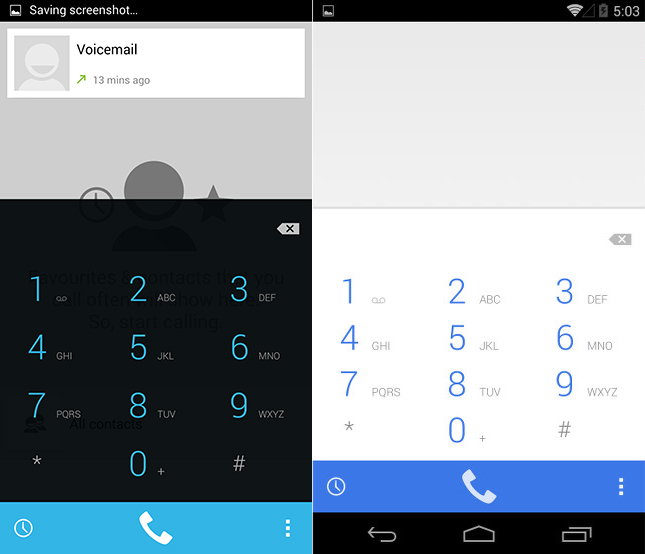
Source: Google Nexus 7 OTA via Android Police
Read More ...
HTC Hits a Lower Price with the One (E8)


HTC One (E8) |
HTC One (M8) |
|
SoC |
MSM8974ABv3 2.3 GHz Snapdragon 801 |
MSM8974ABv3 2.3 GHz Snapdragon 801 |
RAM/NAND |
2GB LPDDR3, 16GB NAND + microSD |
2GB LPDDR3, 16/32GB NAND + microSD |
Display |
5” 1080p LCD |
5” 1080p LCD |
Network |
2G / 3G / 4G LTE (Qualcomm MDM9x25 UE Category 4 LTE) |
2G / 3G / 4G LTE (Qualcomm MDM9x25 UE Category 4 LTE) |
Dimensions |
146.42 x 70.67 x 9.85mm max, 145 grams |
146.36 x 70.6 x 9.35mm max, 160 grams |
Camera |
13MP rear camera, 1.12 µm pixels, 1/3.06" CMOS size, OV13850, F/2.2. 5MP f/2.8 FFC |
4.0 MP (2688 × 1520) Rear Facing with 2.0 µm pixels, 1/3" CMOS size, F/2.0, 28mm (35mm effective) and rear depth camera, 5MP f/2.0 FFC |
Battery |
2600 mAh (9.88 Whr) |
2600 mAh (9.88 Whr) |
OS |
Android 4.4.2 with Sense 6 |
Android 4.4.2 with Sense 6 |
Connectivity |
802.11a/b/g/n + BT 4.0, USB2.0, GPS/GNSS, MHL, DLNA, NFC |
802.11a/b/g/n/ac + BT 4.0, USB2.0, GPS/GNSS, MHL, DLNA, NFC |
SIM Size |
NanoSIM |
NanoSIM |

HTC has stated that China will be the launch market for this phone, but to expect worldwide availability for this phone at a later date. Pricing is around $447 USD / £267 / €329 based upon the price in China but may vary based on other markets.
Read More ...
Intel Launches Devil’s Canyon and Overclockable Pentium: i7-4790K, i5-4690K and G3258

In the same way as certain other electronic market segments, where the announcement and launch occurs a few weeks before launch, today is actually a paper launch as part of the Computex experience. Review samples for sites like ours should be arriving sometime this week when we can test and dissect the new parts, with a full retailer release later in the month. At present the date is still uncertain: we were hoping to get samples before Computex in order to present results today, but delays have pushed testing and release later down the line. This is in part due to the restricted timescale for these new processors, whereby VP Lisa Graff in a recent press call stated that the Intel engineers had fewer than six months from idea-to-launch.
Devil’s Canyon, the codename for the upgraded Haswell overclocking ‘K’ series SKUs, launches as two parts: an i7 and an i5.

Compatibility for these processors will be on all Z97 motherboards, and it should extend to Z87 if and only if the motherboard manufacturer has engineered the motherboard to cope with the increased power consumption and also release a relevant BIOS update. I would expect that all the major motherboard manufacturers should announce a full range of 9-series support and a most-of-the-range 8-series support, starting with the most popular products in the 8-series range first (as it all comes down to validation and rewriting BIOS code).
Aside from the base frequency increases, enthusiasts will want to know if the rumor regarding an upgraded package on the CPU is true. I can confirm that Intel has officially made the following changes:

For the extreme overclockers using sub-zero cooling, Intel has reworked part of the power delivery around the FIVR to give a cleaner power delivery. Note that none of these changes suggest that any specific change to the underlying silicon die was made, however Intel will be examining the sales of these processors to determine their popularity and whether it is a feature to consider on future platform evolutions.
Also launched today is the new Pentium Processor Anniversary Edition, a fully unlocked 3.2 GHz dual core Pentium and 3MB of L3 cache.


CPU-Z screenshots of all three models have been released, confirming many of the details:


When we return from Computex we will begin testing the new CPUs, with a plan to show some delidding and see how the new Devil’s Canyon and new Pentium compares to the regular Haswell CPUs both at stock and overclocked. Let me know in the comments if there is anything specific you would like to see in the review.


Read More ...
AnandTech Participates in Roundtable Discussion with Intel and Supermicro about P3700 and NVMe

Read More ...
Intel SSD DC P3700 Review: The PCIe SSD Transition Begins with NVMe
In 2008 Intel introduced its first SSD, the X25-M, and with it Intel ushered in a new era of primary storage based on non-volatile memory. Intel may have been there at the beginning, but it missed out on most of the evolution that followed. It wasn't until late 2012, four years later, that Intel showed up with another major controller innovation. The Intel SSD DC S3700 added a focus on IO consistency, which had a remarkable impact on both enterprise and consumer workloads. Once again Intel found itself at the forefront of innovation in the SSD space, only to let others catch up in the coming years. Now, roughly two years later, Intel is back again with another significant evolution of its solid state storage architecture.
Read More ...
Microsoft Tells Chinese Customers It's Not Helping U.S. Gov't Spy on Them
Microblog post contradicts claims by China's state-run media
Read More ...
Meet the Japanese Supplier Behind Amazon's 3D Phone
Facial recognition technology could be used to mine a user's gender, age, and race
Read More ...
Verizon Threatens to Sue Over Netflix Congestion Warnings
A frustrated Netflix won't back down from telling customers what it observes
Read More ...
Quick Note: Developers Can Now Pre-order Microsoft's Kinect for Windows v2 Sensor
Sensor is priced at $199, will ship in July
Read More ...
Tesla Motors May Get Reprieve in New Jersey Dealership Battle
Assembly Consumer Affairs Committee votes 4-0 to allow Tesla to sell cars directly to customers
Read More ...
MIT Designs Powerful "Doc Ock" Limbs
Project aims to give manufacturing and construction industries a pair of extra hands
Read More ...
Leak: Microsoft's Windows Phone Roadmap Solidifies
T-Mobile, Verizon, and AT&T to see a healthy flow of Nokia devices in 2014 and 2015
Read More ...
Quick Note: Microsoft’s Xbox One Controllers Can Now Work on Your PC
Microsoft releases Windows drivers for the Xbox One controller
Read More ...
Samsung, Barnes & Noble Collaborate on Galaxy Tab 4 Nook Tablet
Barnes & Noble now has a rebranded Galaxy Tab 4 in its arsenal
Read More ...
Ditching Kinect Boosts Xbox One's Graphics Performance by 10 Percent
New Kinect-free edition unlocks memory bandwidth reserved for Microsoft's camera sensor
Read More ...
Amazon to Unveil Its "3D" Smartphone on June 18
The moment has come for Amazon's first entry into the smartphone space
Read More ...
Study Silences Controversy, Illuminates the Biochemistry of Laser Healing
Study shows that both in live rodents and culture human cells, lasers can trigger healing from dental surgery
Read More ...
Report: Sprint Close to Purchasing T-Mobile US, Deal to be Announced in July
Bloomberg says the deal will be valued at $40/share
Read More ...
Australian Startup Calls Out Apple for Stealing “HealthKit” Name
However, Apple's HealthKit is not an actual product name, and is simply an API
Read More ...
Microsoft Teases HTC Partnership at Computex 2014
New phone will reportedly draw features from the Android HTC M8 and/or A9, be dubbed "HTC W8"
Read More ...
Chinese OEM Shows Off $100 Tablet Running Windows 8.1 with Bing
8" tablet features an Intel Atom Z3735G processor
Read More ...
China Threatens "Severe" Punishments for Google, Apple Over NSA Spying
America's top tech firms are seeing sales bans, service disruption, and government-supported piracy
Read More ...
Ford Lightweight Concept Removes 800 lbs from Fusion Midsize Sedan
Lightweight materials bring the weight of the Fusion in line with the subcompact Fiesta
Read More ...
Peloton Aims to Bring Adaptive Cruise Control to the Truck Industry
Ported consumer tech offers greater fuel efficiency gains for long-haul than any other tech, firm says
Read More ...
Intel to Broaden Market for Fanless Tablets, Ultrabooks with 14nm Intel Core M
Intel announces its “most energy-efficient Intel Core processor” to date
Read More ...
Sony Announces Mid-range Xperia T3 Smartphone with 5.3" 720p Display
The Xperia T3 features a stainless steel frame with a "mirrored" finish
Read More ...
Quick Note: HTC One (E8) is the Cheaper, Plastic Alternative to the HTC One (M8)
OK, who came up with this naming scheme at HTC?
Read More ...
Available Tags:Thermaltake , USB , MSI , Server , Galaxy , GTX , Google , Tablet , 3D , AMD , AnandTech , ASRock , DDR4 , Apple , iOS , Samsung , SSD , Intel , Android , HTC , Microsoft , Kinect , Windows , Windows Phone , Windows , Xbox , Galaxy Tab , Kinect , Xbox , Amazon , Smartphone , Microsoft , HTC , Windows 8 , Windows , Bing , Ford , Fusion , Sony , Smartphone , HTC , HTC ,


No comments:
Post a Comment