

Samsung's Galaxy S II Preliminary Performance: Mali-400MP Benchmarked
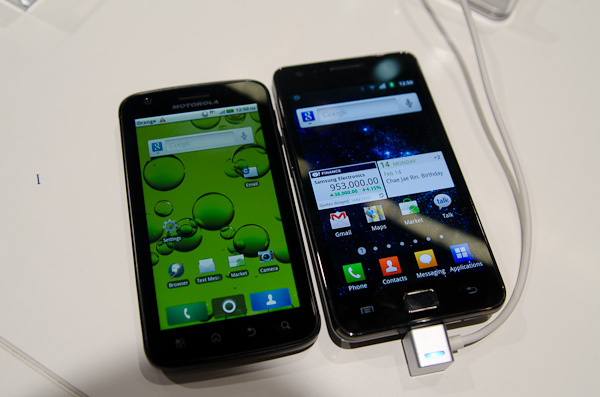
Read on to see how it stacks up against the latest NVIDIA Tegra 2 based smartphones.
Read More ...
Microsoft Announces a Host of Windows Phone 7 Updates
At MWC 2011, Microsoft just announced a number of improvements for WP7 including the timeline for when its first update will be pushed to devices.
The update with app-loading performance improvements and copy paste support we demoed back at CES finally got a more specific release date - it's slated to launch in early March. A number of other updates are slated for 2011, though Microsoft wouldn't assign a specific date. Those updates include multitasking support for 3rd party applications, better cloud synchronization, more web-services built into hubs, and a completely new web browser.
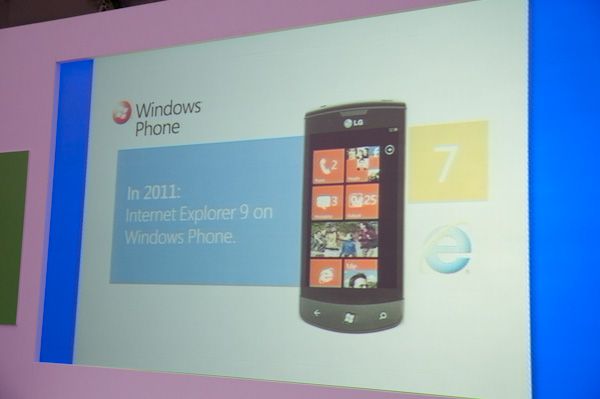
Microsoft recognizes that the browser is probably the single most important mobile application. It needs to be speedy, needs to be usable, and needs to have full feature parity with desktop browsers. Though the WP7 browser feels very fast translating and zooming around, JavaScript was slow and HTML5 support was nonexistent. It was based on the older Trident engine used in pre-IE9 browsers, and never felt like it really belonged in the Web 2.0 or HTML5 era. Coming in 2011, WP7 will get a major update with an IE9 browser complete with the same level of GPU acceleration and HTML5 compatibility of its desktop brother. WP7's mobile IE9 browser will use the same core rendering engine as IE9's.
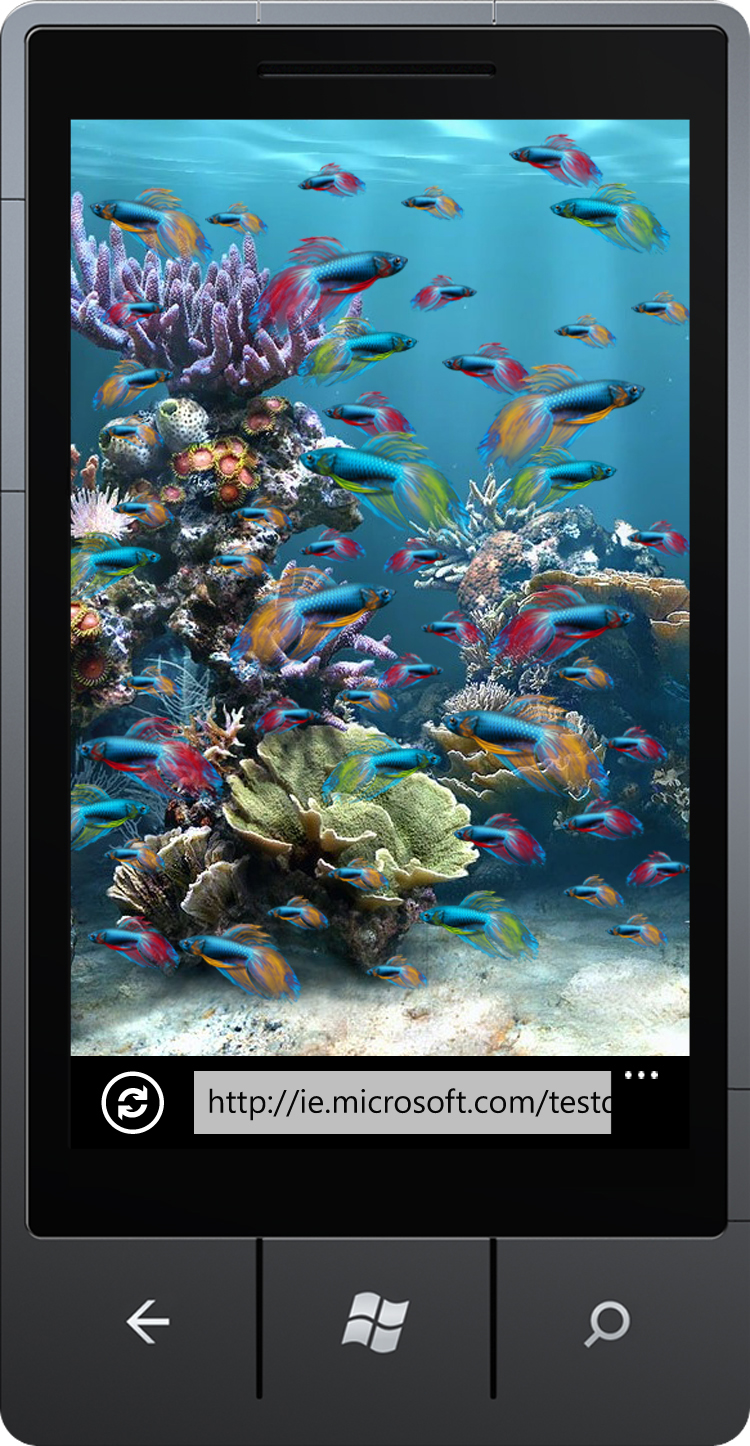
Mobile IE9 includes HTML5 support for the video tag as well. That's the same H.264 support as IE9 has on the desktop.
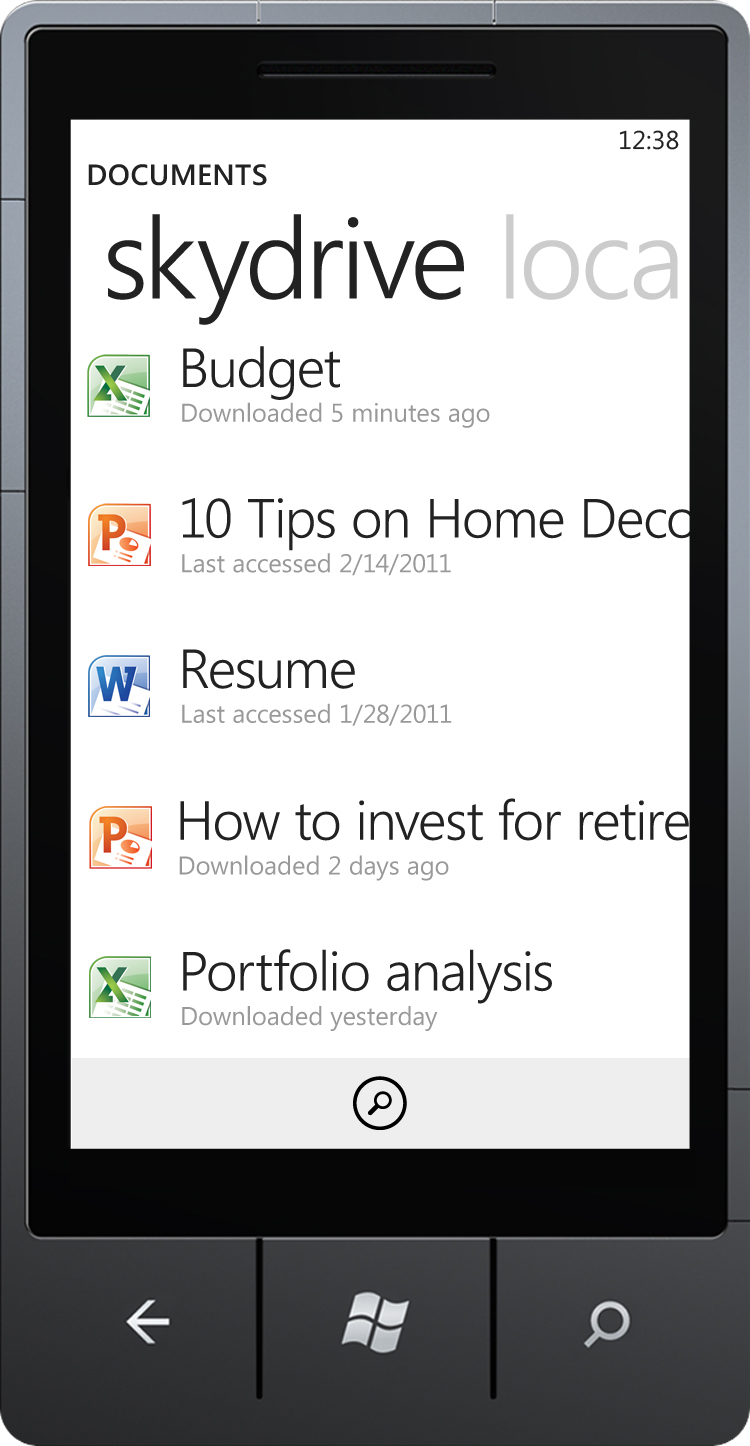
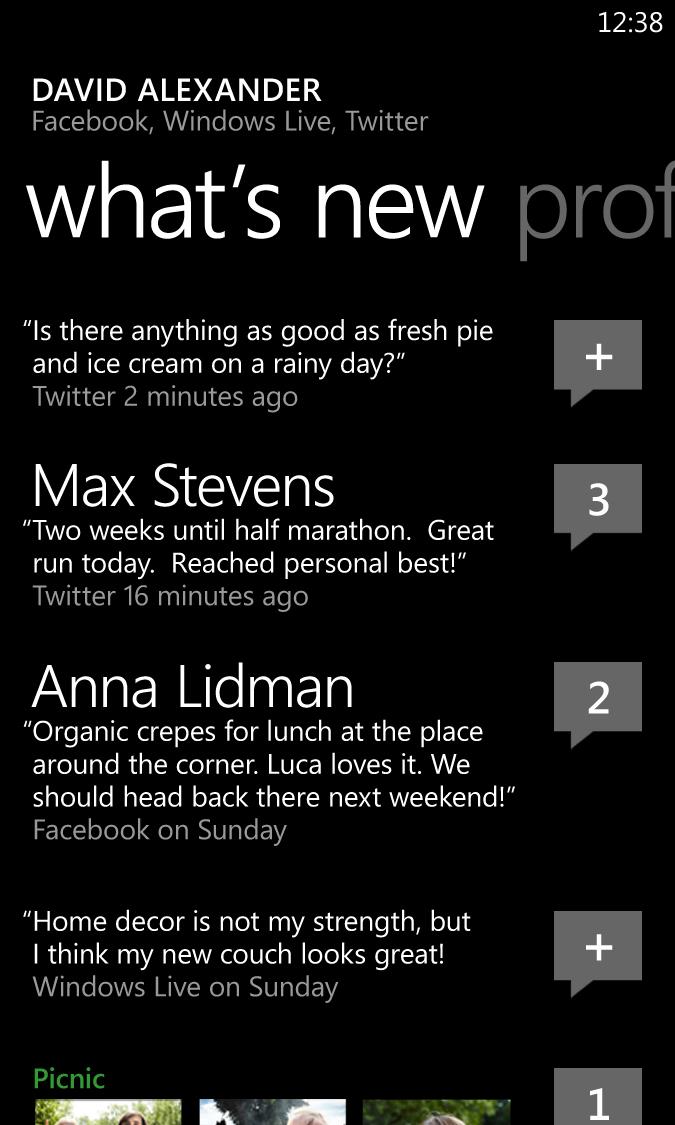
Next, WP7 will better leverage Microsoft's cloud assets, including SkyDrive support in the office hub. Other hubs are getting updates that include faster cloud sync. One of the major curiosities when WP7 launched was the absence of twitter support. Also part of 2011 will be an update that brings twitter integration in the people hub.
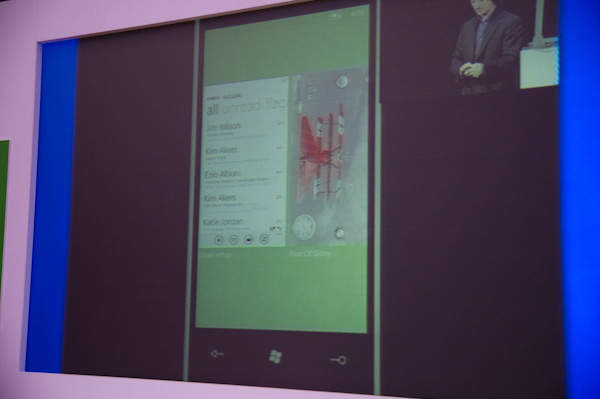
Probably the most major update, however will be inclusion of 3rd party multitasking support. Fast application re-hydration and a task manager menu are the key changes. The new multitasking interface allows for task switching using the back button. Pressing and holding the back button brings up a ring-switcher interface with screenshots of running applications.
Finally, Microsoft demonstrated an impressive example of cross WP7 and Xbox connectivity with a demo of users controlling the placement of obstacles in Kinect Adventures. Microsoft needs to move quickly to deliver WP7 updates into the hands of existing users to keep the platform competitive as Android and iOS also roll out updates.
Read More ...
Qualcomm Demos Remote Handwriting Recognition Using an Ultrasonic Pen
We've been talking about higher performance SoCs for quite a while now, but the number of applications for these things beyond making your UI faster is fairly limited today. With faster hardware comes more demanding software, and earlier today I got a glimpse of a pretty neat application that Qualcomm is looking at.
The technology comes from a company called epos. The device is a pen with two ultrasonic transmitters in it. You can write with the pen on any surface (e.g. a piece of paper) and use the microphone in your smartphone to pick up the sound signature emitted by the pen.
Pair it all up with some processing on Qualcomm's dual-core SoC and you can write on a piece of paper and have it automatically transcribe on your smartphone.
There are no changes that need to be made to the smartphone, you can rely on the standard microphone that ships on all smartphones. Epos mentioned that its software can pick up the pen's signature from a radius of around 30 cm from the mic.
The technology is pretty cool and I can see a number of real world applications for it. If you wanted a pen-and-paper feel but want your notes to be stored digitally, this is one option. Qualcomm mentioned that we could see smartphones or tablets featuring this technology starting next year.
Read More ...
HP's TouchPad at MWC 2011
HP stopped by a Qualcomm roundtable discussion to demonstrate the HP Veer, Pre 3 and TouchPad that it recently announced. Mithun covered the webOS event for us but this was the first time I was able play with the devices.
Everything HP announced at its event is powered by a Qualcomm SoC. The Veer runs webOS 2.2 and uses a MSM7230 with a single Scorpion core running at 800MHz. The primary take away from my experience with the Veer is that it is really, really tiny.
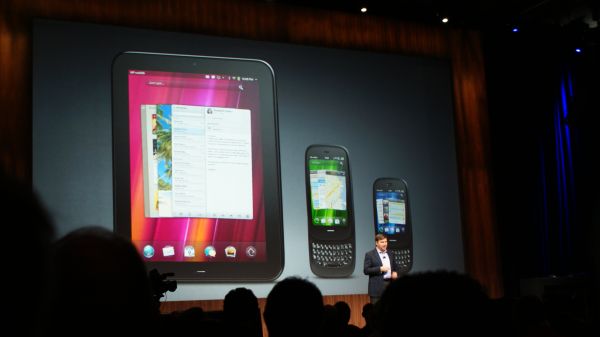
The Pre 3 felt very good and snappy. It's based on the highest clocked single-core ARM based SoC on the market today: Qualcomm's MSM8x55 running at 1.4GHz. Qualcomm mentioned that this is a standard part that's available to everyone - why HP ended up being the first to launch with it is unusual.
One thing I did notice in using all of the devices is that there's still room for performance optimization. There are occasional slowdowns or dropped frames in the UI. The HP representative present indicated that there's still a great deal of work to be done on both the hardware and software side before the devices ship.
The TouchPad is by far the most interesting as webOS just begs to be used on a larger screen. The UI is smooth although again I saw some indications that HP needs to do more performance tuning. Given what we saw with the original Pre, I am concerned but we'll have to reserve judgement until final hardware hits the market. Performance optimizing can take a long time and we're still months away from a launch.
Check out the video above for a quick look at the HP TouchPad.
Read More ...
Intel @ MWC 2011: Atom-Based Medfield SoC Now Sampling, Low-Power LTE Modems In 2012
Though we still like to think of Intel first and foremost as a computer CPU company, the fact of the matter is the company is trying its hardest to expand their horizons. Among their expansion efforts are a push in to the smartphone space, and to further that Intel is at Mobile World Congress 2011 making their latest smartphone-related announcements.
The first announcement, and of course the one nearest and dearest to our hearts, is on the CPU side of things. Medfield – Intel’s next-generation Atom-based smartphone SoC is now sampling and will ship later this year. Intel still hasn’t thrown out a solid timeframe for when Medfield will ship, but Q4 is as good a guess as you’re going to get.
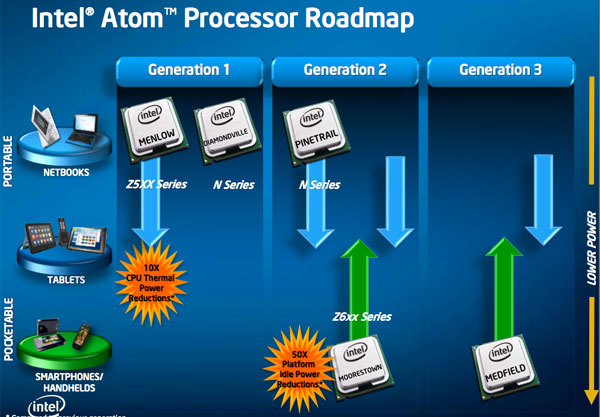
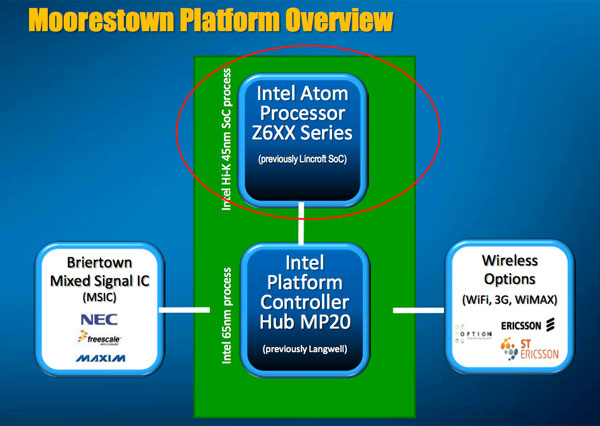
Of course Medfield is not an entire smartphone on its own. Additional supporting chips – chiefly a modem – are necessary. As you may recall, Intel picked up Infineon’s wireless solutions business back in August of 2010, giving them modem technology to go with their Atom SoCs. Down the line we’ll see Infineon-derived modems integrated in to Atom SoCs, but for now Intel is still using separate modems developed by the new Intel Mobile Communications group, which is the basis of the other major piece of news coming from Intel today.
Intel announced their first compact, low-power multi-mode LTE modem (LTE/3G/2G), the XMM 7060 platform, powered by the X-GOLD 706 baseband processor. It will begin sampling in Q3 this year, and will ship roughly a year later in H2 of 2012. The multi-mode modem is important both for Intel and for Infineon’s traditional customers. For Intel it’s something to sell alongside Medfield, while for customers after just the modem it’s going to be among the first low-power LTE modems on the market. With the additional complexity of LTE, LTE modems had to be similarly beefed up compared to their 3G brethren, which in turn can hurt battery life. Low-power modems should bring power consumption back in balance with today’s 3G modems.
On a side note, given that Intel only recently acquired Infineon's wireless group, it shouldn't come as a big surprise that the X-GOLD 706 is being fabbed out of house. Intel says it will be a 40nm product, which means it's likely being fabbed over at TSMC.
Read More ...
Intel Shows Off MeeGo Tablet User Experience
While I was scheduling my Mobile World Congress meetings I got an email request from Intel. It wanted to give me a quick tour of the latest MeeGo UI for tablets. MeeGo, as you may remember, was the combination of Intel's Moblin OS and Nokia's own efforts. While MeeGo isn't completely abandoned by Nokia, it's looking unlikely that Nokia will be a major player in it going forward considering the fresh partnership with Microsoft.
Intel is still trucking away with MeeGo and unfortunately appears to be retaining the less-than-ideal name despite the recent shakeup with its partner (at least Moblin sounded respectable, MeeGo sounds like something you say before using the bathroom).
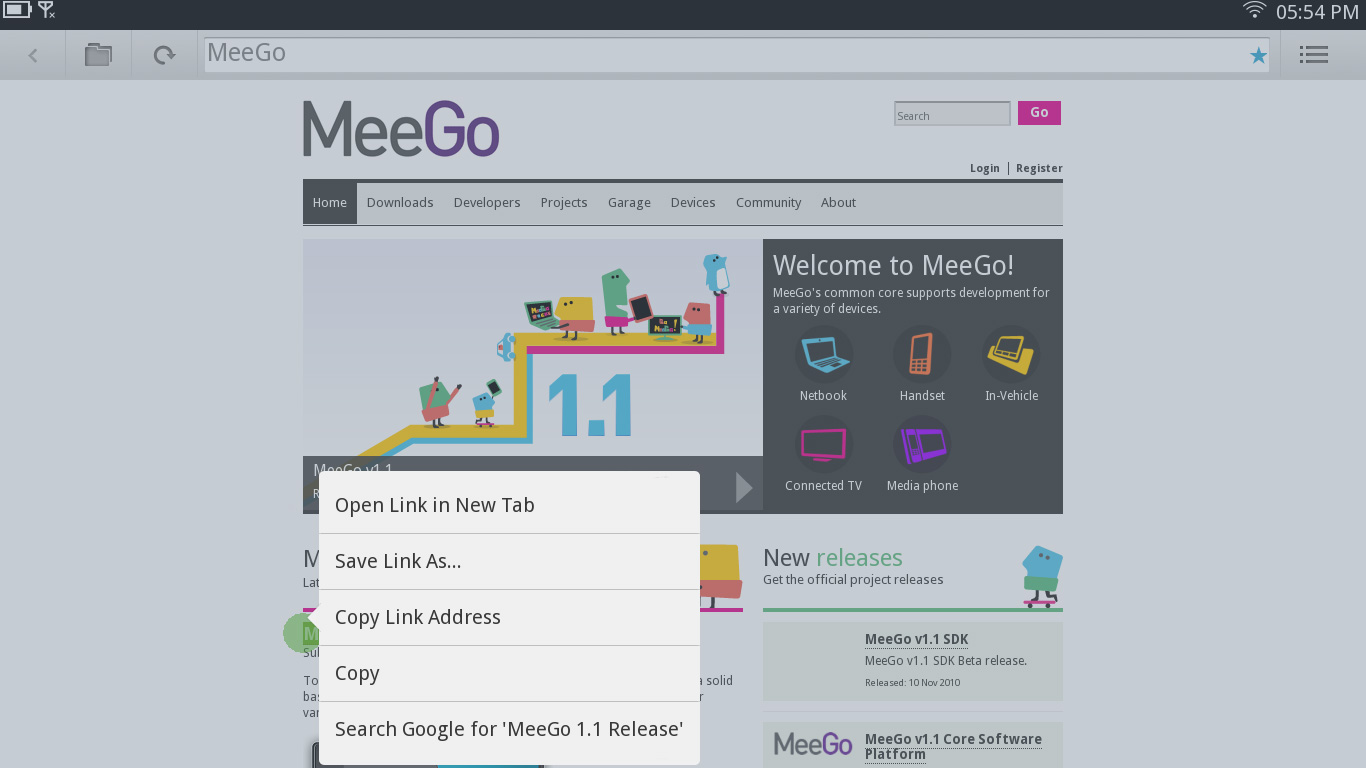
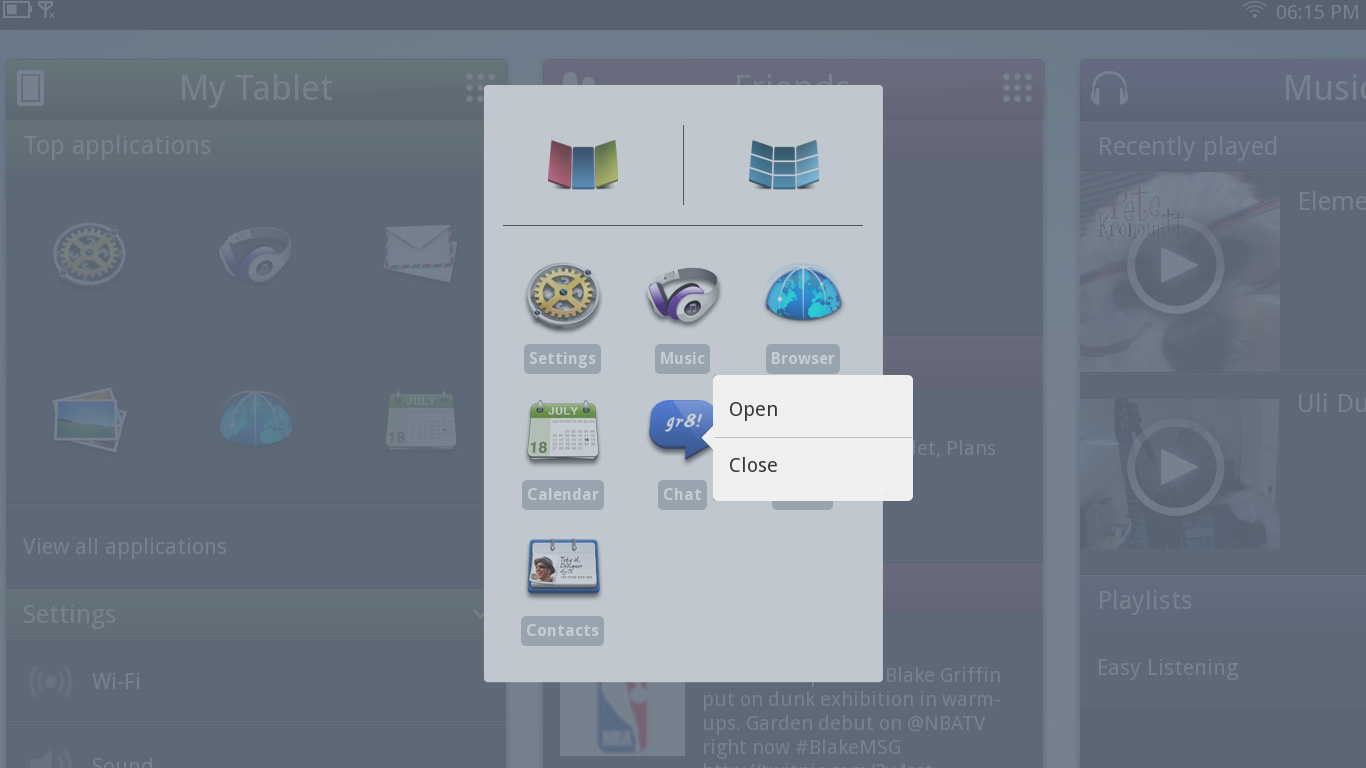
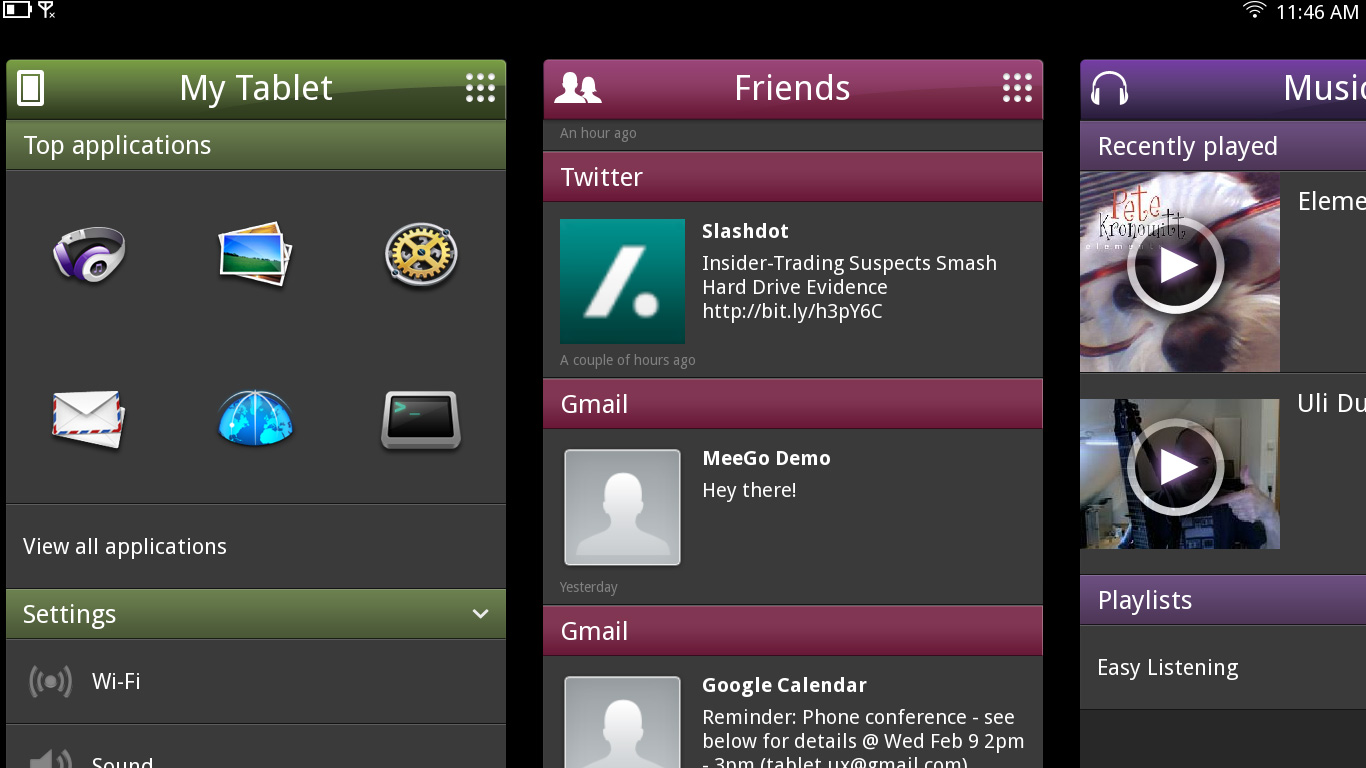
Each panel is grouped according to an overall function. The My Tablet panel includes your top applications as well as device settings for when you absolutely need to do something the old fashioned way. The Friends panel aggregates all of your communications between you and your friends. This could be in the form of tweets, Facebook status updates as well as emails and other messages. Everything appears in this one view. If you tap on any of the items in the view, the associated application will launch (e.g. tap an email you received from one of your friends to fire up the email app).
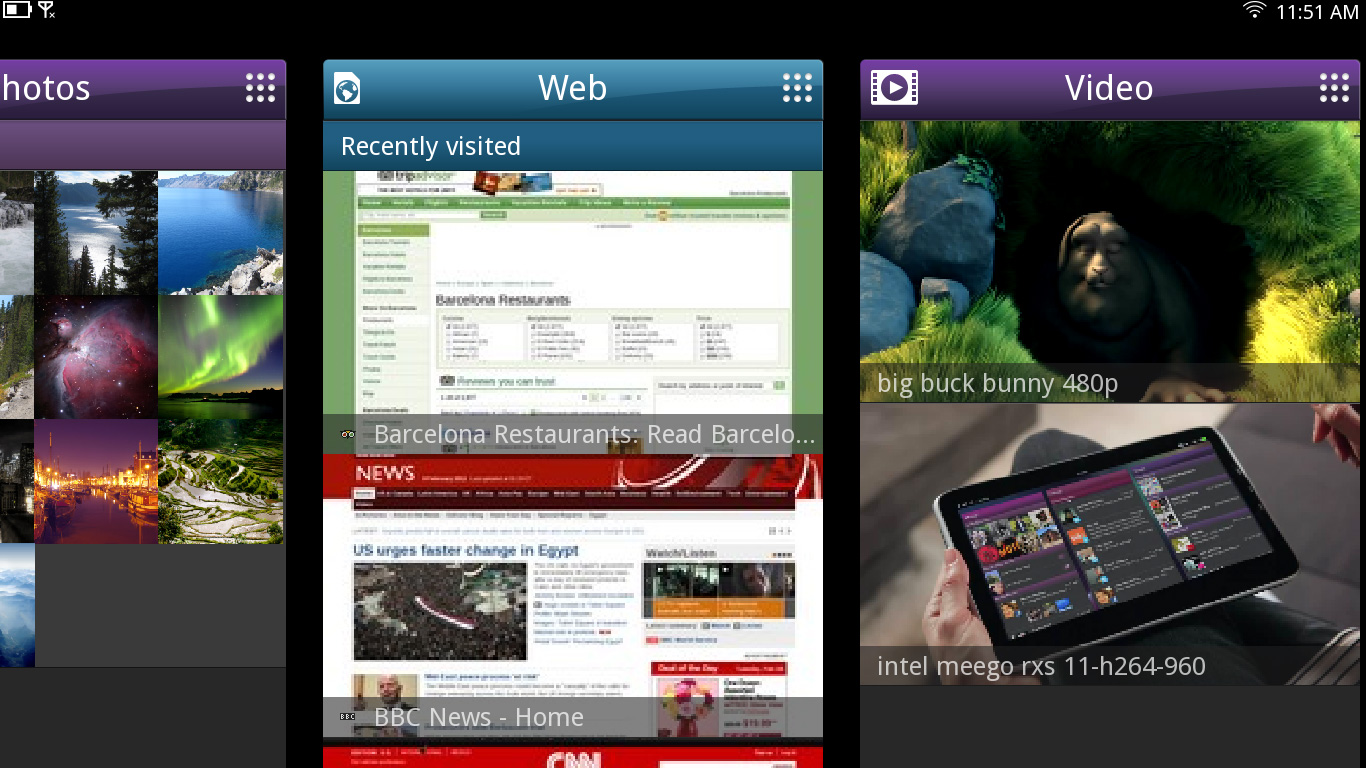
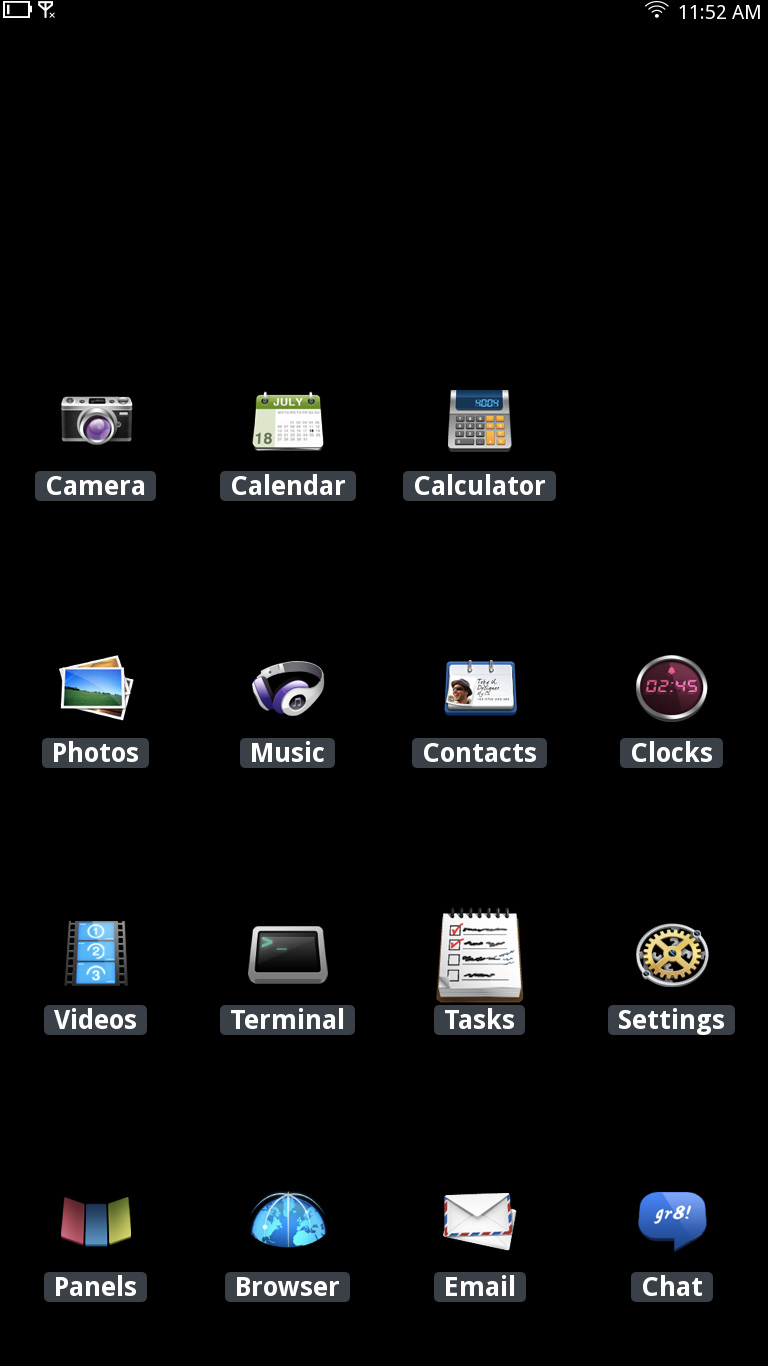
Intel believes that launching applications to later access data with them is silly and you should instead be presented with the data you want and it should launch any necessary application for you. It's a shift from the app centric model of today's smartphone/tablet OSes to a data centric model. Intel feels that this approach will reduce the number of taps necessary to efficiently multitask, which will obviously encourage heavier usage models and ultimately require faster SoCs to run everything.
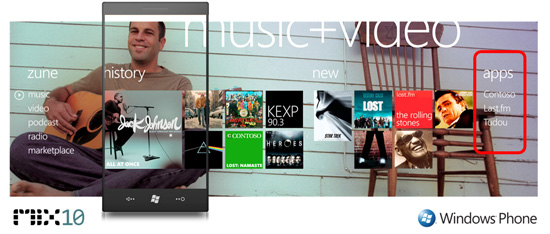
Microsoft's Metro UI
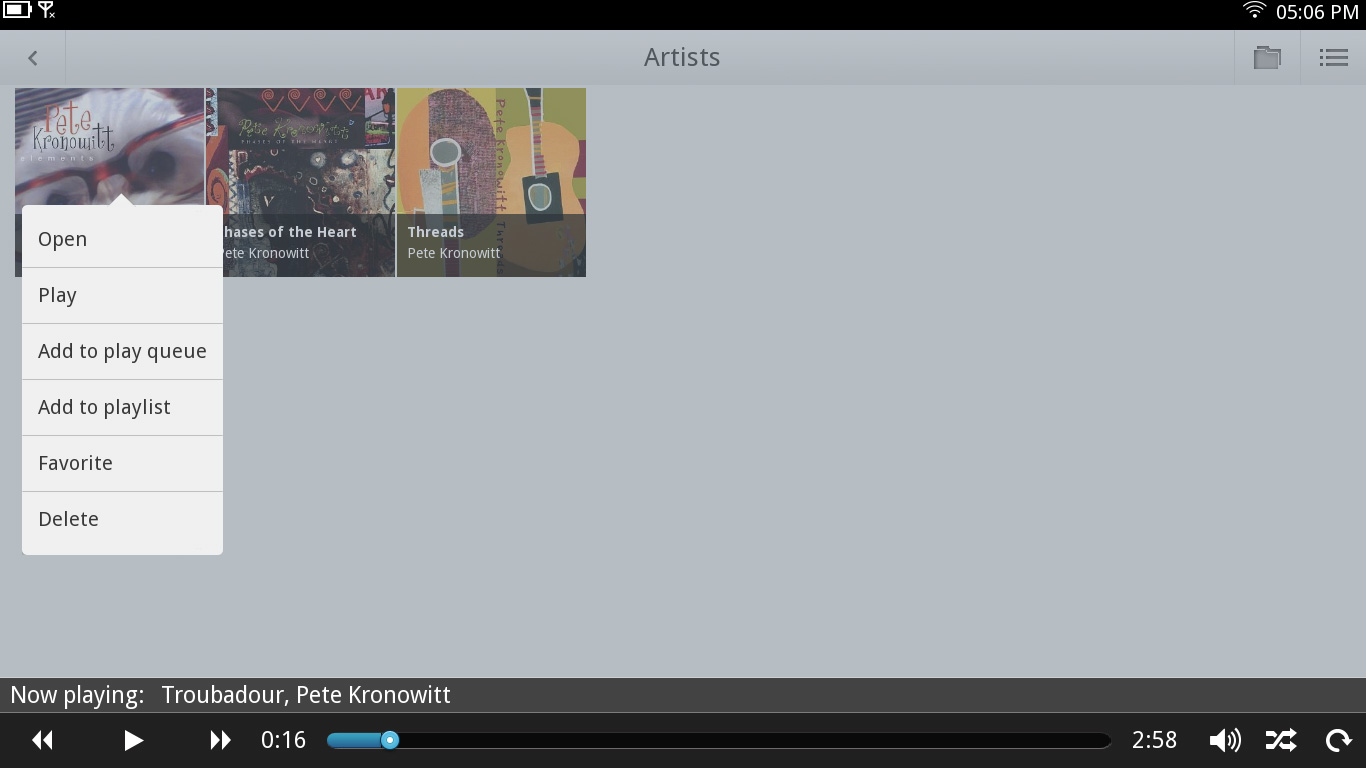

MeeGo currently supports Swype

Read More ...
A.C.Ryan PlayOn!HD2 - First Realtek 1185 Media Streamer in the Wild!
AnandTech started covering the media streamer market last year. Thanks to the support of readers like you, the response has been very encouraging. Over the last few months, manufacturers have been willing to talk to us about their proposed products in advance of their launch. This has given us some opportunities to provide feedback and make a request for features that we think are indispensable.
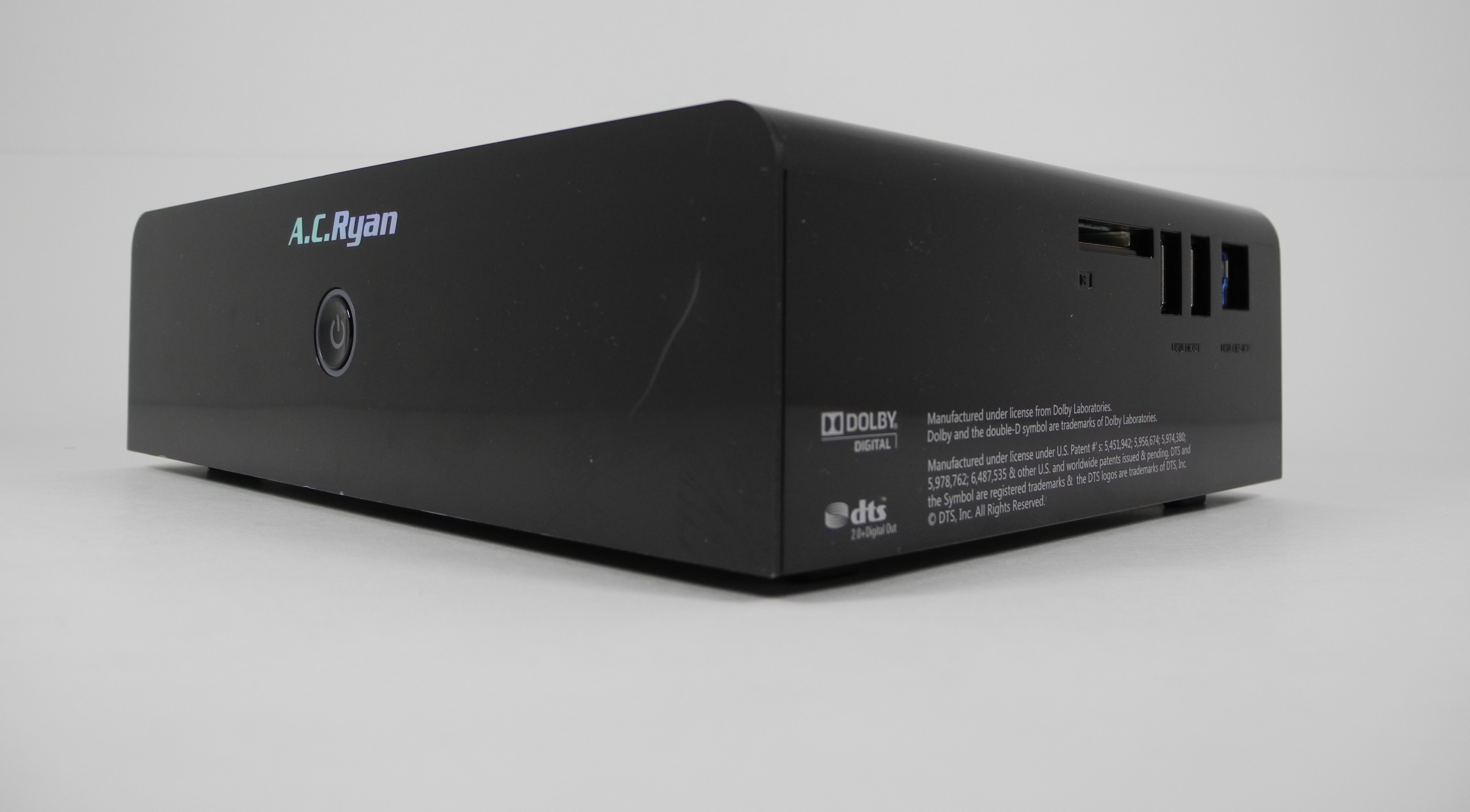
We had already talked about A.C.Ryan's entry into the US market in our CES 2011 coverage. One of the products that was covered in the press release was the second generation PlayOn!HD streamer. The PlayOn!HD lineup was A.C.Ryan's flagship last year, but that position has been taken over by the A.C.Ryan Fluxx. However, A.C.Ryan is continuing their PlayOn!HD product lineup too. This year, we have the PlayOn!HD2 using the next generation Realtek chipset 1185DD.
Read More ...
Qualcomm's Announces Krait CPU: The Successor to Scorpion
Last year Qualcomm told us about the MSM8960, its next-generation Snapdragon SoC based on a brand new microprocessor architecture. Today Qualcomm announced some more details on the architecture behind the MSM8960 as well as a couple of new SoCs based on that architecture.
The CPU architecture is codenamed Krait. I'll be meeting with Qualcomm later today to talk about architectural details in greater depth as today's release has little information other than some general performance numbers.
Krait, like Scorpion before it, is a ground-up CPU design by Qualcomm. The architecture will debut at 28nm and run at speeds of up to 2.5GHz. This is compared to the ~2GHz target frequency for high end Cortex A15 devices. Again we know nothing about the architecture or pipeline of Krait so it's impossible to draw any conclusions based on this information alone.
Qualcomm announced that Krait is up to 150% faster than "currently available ARM-based CPU cores". Again this could mean anything as ARM11, Cortex A8 and Cortex A9 cores are all "currently available".
The Krait cores will be integrated into SoCs in single, dual and quad-core configurations.
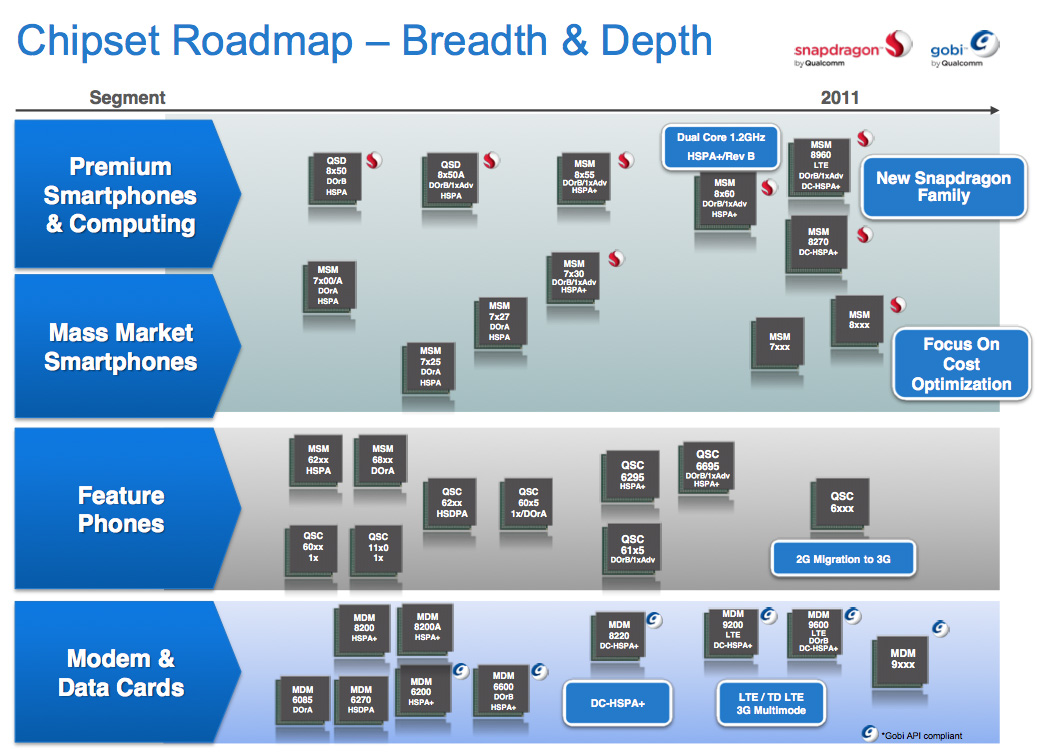
First let me explain Qualcomm's nomenclature. There are three prefixes you need to be familiar with: QSD, MSM and APQ. QSD was the original prefix applied to Qualcomm Snapdragon SoCs, it has since been retired and replaced with MSM. Going forward you won't see any more QSD products, they'll all be called MSM-something (e.g. MSM8960). The QSD prefix was a remnant of the original marketing strategy behind Snapdragon.
If you paid attention to HP's webOS announcements you'll know that the new TouchPad uses a new Qualcomm SoC - the APQ8660. The APQ prefix stands for Application Processor Qualcomm and it refers to an SoC that does not have an integrated modem. The MSM line all have integrated Qualcomm modems making them a single chip solution for those customers who want the added integration.
With that out of the way let's get to what's being announced today.
Krait will debut in three configurations: a single-core MSM8930, dual-core MSM8960 and quad-core APQ8064.
The MSM8960 will be available first, sampling in Q2 2011 and likely in devices a year or so later. The sampling schedule seems a bit aggressive given that it's 28nm but that's what Qualcomm is saying.

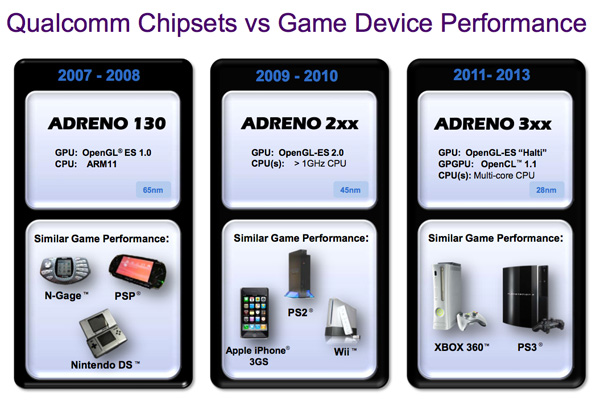
The MSM8960 integrates a multi-mode 3G/LTE modem, which should make this a very attractive SoC for future high end smartphones. The SoC adds a dual-channel LPDDR2 memory controller and uses an Adreno 225 GPU. Qualcomm states that the 225 is eight times the speed of the original Adreno 200. Given that the Adreno 205 was 2x the 200, that would make the Adreno 225 4x the performance of the fastest Adreno GPUs we have today.
Both the single-core MSM8930 and the quad-core APQ8064 will be sampling in early 2012. The MSM8930 also integrates a 3G/LTE modem but it adds an Adreno 305 GPU. The 305 is supposed to be six times the performance of the original 200. I expect the MSM8930 to be used in upper mainstream smartphones, while the MSM8960 will be more of a high end smartphone SoC.
As an APQ, the quad-core 8064 has no integrated modem but it does have four Krait cores (capable of running at asynchronous clock speeds so core 0 could run at a different frequency than core 3 depending on load). This sounds a lot like a tablet SoC.
The APQ8064 integrates an Adreno 320 GPU, which Qualcomm says offers performance similar to today's gaming consoles. The 320 features four GPU cores. The Adreno 320 is listed as being 15x the performance of the original Adreno 200.
Feeding the CPU cores is LPDDR2 memory interface, although standard DDR3 can also be used. The 8064 also has a PCIe interface and support for up to a 20MP camera.
These Krait based SoCs will go up against ARM Cortex A15 based solutions (e.g. TI's OMAP 5). Intel's Medfield (32nm Atom) SoC will also be a competitor here.
Read More ...
Budget System Builder’s Guide February 2011
With the recent launch of Sandy Bridge, we had hoped to put together some Buyers' Guides covering the changes in the market. Unfortunately, with the recall/bug of the 6-series chipsets, SNB is now on hold. There will always be newer and faster parts just over the horizon, but while we await SNB and Bulldozer, we felt the time was ripe for a Budget Buyers' Guide update. We have three complete system builds, as well as a variety of potential upgrades, with pricing ranging from $400 just for the main box and components up to nearly $800 for a complete system with some worthwhile upgrades.
Read More ...
Hands on with the Samsung Galaxy S II & Galaxy Tab 10.1
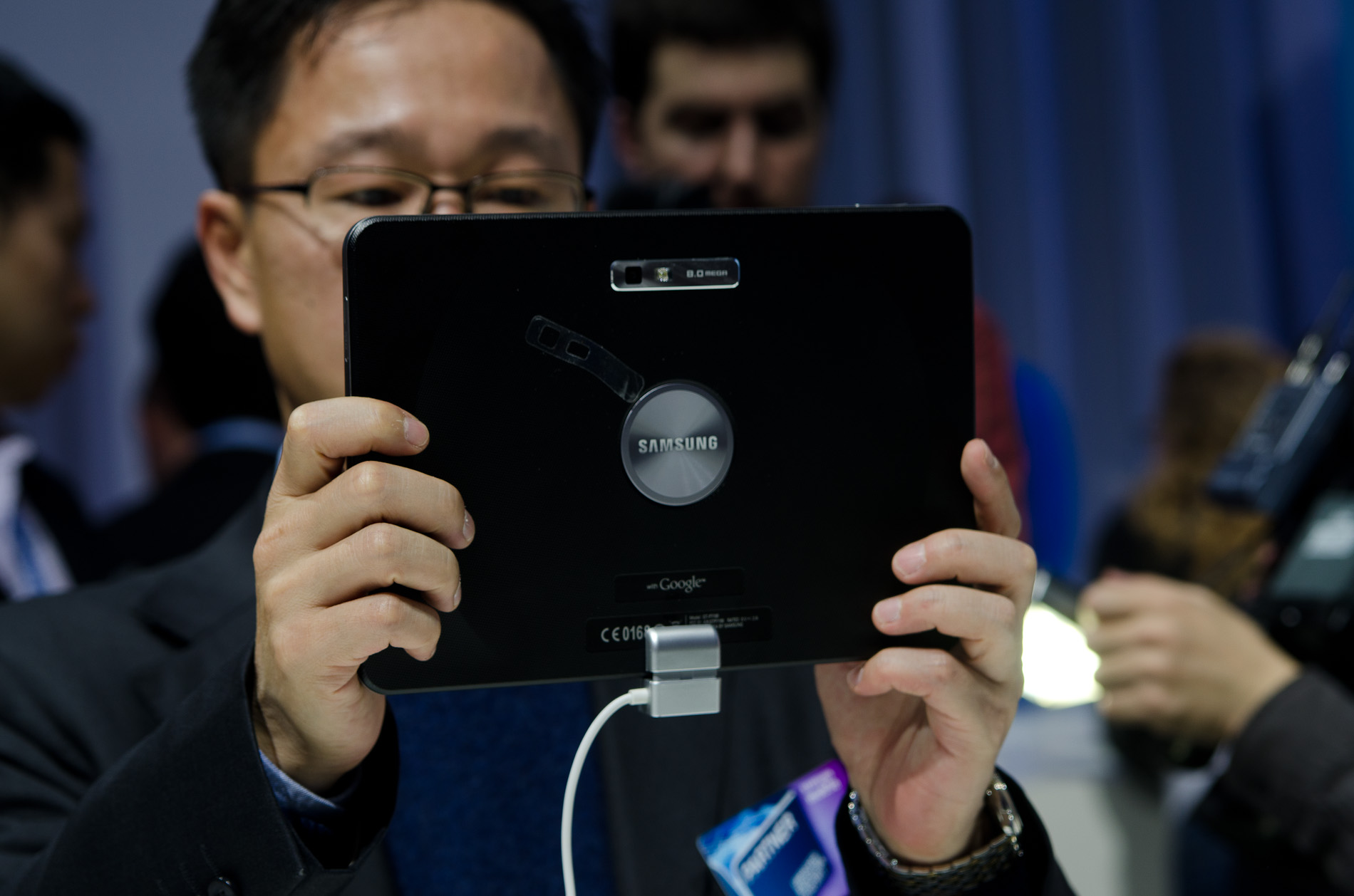
In a not completely unexpected move Samsung Mobile announced that it would be working with NVIDIA on two different projects. First and foremost is the Samsung Galaxy Tab 10.1. This 10.1" Honeycomb tablet uses NVIDIA's Tegra 2 SoC (just like LG's Optimus Pad and Motorola's Xoom). The big news isn't the fact that it's a 10-inch Android tablet, but that it's not using a Samsung SoC.
As the reference platform for Honeycomb, NVIDIA's Tegra 2 makes a lot of sense for Samsung. The fact that Samsung went from reference platform for Gingerbread to having to partner with NVIDIA on Honeycomb doesn't bode very well for its SoC team.
{gallery 947}
The weight is comfortable, especially coming from an iPad. The OS is responsive however I get the impression that Honeycomb is still a bit early. Despite GPU acceleration everywhere I noticed some choppy scrolling and laggy transitions. The unit I was playing with even managed to reboot in the middle of me messing with the camera. These are all issues you'd expect from pre-release software so I'm not too concerned.I think it's still too early to tell how well these Honeycomb tablets will do in the market. I need to see final software to get a better idea. Soon enough I hope...
The Galaxy S II
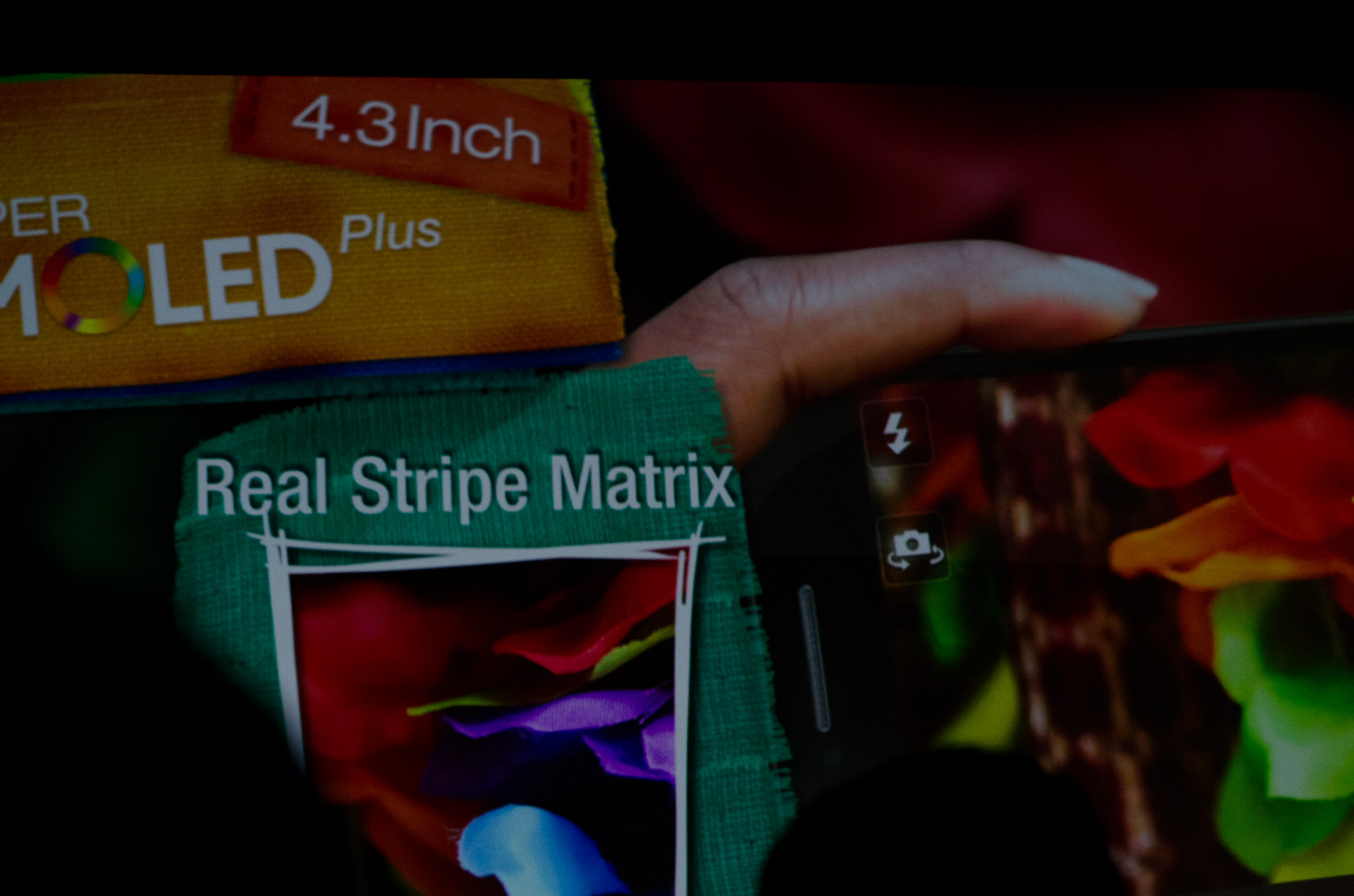
Despite turning to NVIDIA for the Galaxy Tab 10.1 (and an unannounced future Samsung superphone), Samsung did introduce the Galaxy S II based on an unnamed SoC (the assumption is that it's Samsung's own Orion SoC).The Galaxy S II features a 4.3" Super AMOLED Plus display (full stripe matrix, not PenTile) with what appears to be a 800 x 480 resolution. The phone measures only 8.49mm thick and weighs a meager 116g. That's 85% the thickness and 91% of the weight of a Samsung Fascinate.
The Galaxy S II supports NFC, 1080p30 recording and playback and features a 8MP rear facing camera with LED flash. On the front you've got a 2MP camera. WiFi Direct is also supported, which will be used to enable wireless syncing to your desktop over WiFi.
Samsung includes the latest version of its TouchWiz UI (4.0), which includes an entire suite of remote location and theft recovery tools. You can remotely locate your phone, lock it and of course track it all on the web. You can also have your phone SMS you if someone swaps out the SIM as well as remotely monitor what calls are made with the phone.
Rounding off the list of supported features are a 3-axis gyroscope and accelerometer. Samsung also boasts hardware encryption on the Galaxy S II but it wasn't clear in what sense (perhaps real time NAND encryption?).
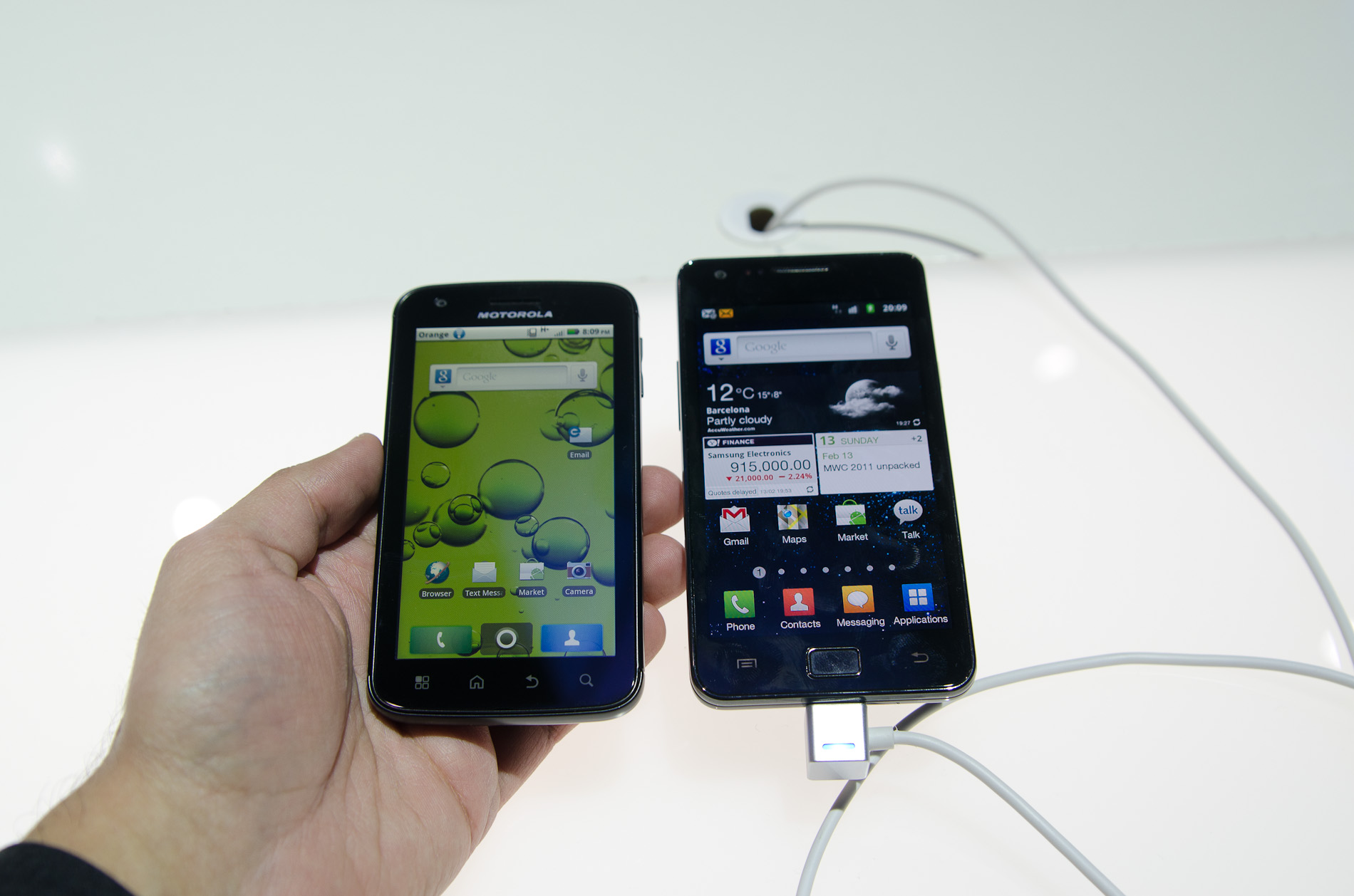
I spent some time with the Galaxy S II after Samsung's press conference and I can confirm that it is both very thin and very fast. The Galaxy S II will launch with Gingerbread and as a result scrolling through apps is smoother than even on the Tegra 2 based Atrix 4G.
{gallery 946}
Overall the Galaxy S II felt like a slightly faster, slightly smoother Atrix 4G. We'll have to get one in house to really pit it up against NVIDIA's flagship. The Gingerbread advantage is undeniable though.Read More ...
Samsung Intros NVIDIA Tegra 2 based Galaxy Tab 10.1 & New Superphone, Galaxy S II Debuts
Including Apple, we've covered six major players in the high end smartphone SoC space: Apple, Intel, NVIDIA, TI, Samsung and Qualcomm. Not all of these six will survive in the long run. We'll see acquisitions, poor execution and architectural inefficiency all contribute to the whittling down of this list. The process will take a while, but in the long run I don't believe the market will be able to support this many players in the SoC space. Today I believe we may have seen the first sign of weakness from one of the players.
Samsung's Galaxy S line of smartphones and the Galaxy Tab both used Samsung's own Hummingbird SoC. At its press conference before Mobile World Congress Samsung announced the Galaxy Tab 10.1 and a new Samsung superphone will both use NVIDIA's Tegra 2 SoC instead of something of Samsung's own creation.
All isn't lost for the Samsung SoC group as it also announced that the forthcoming Galaxy S 2 will use Samsung's recently announced Orion SoC.
I can't stress how big of a win this is for NVIDIA. To have the mobile arm of one of your competitors use a Tegra 2 in a tablet and phone is huge. While LG was first out the gate, Motorola brought the polish and name NVIDIA needed in a partner. Samsung will likely take that to the next level.
The move also makes sense for Samsung. By going with NVIDIA, Samsung gets access to the reference platform for Honeycomb and will likely get to market sooner than if it had waited.
The Galaxy S II
Samsung also announced the Galaxy S II based on Samsung's own SoC design.
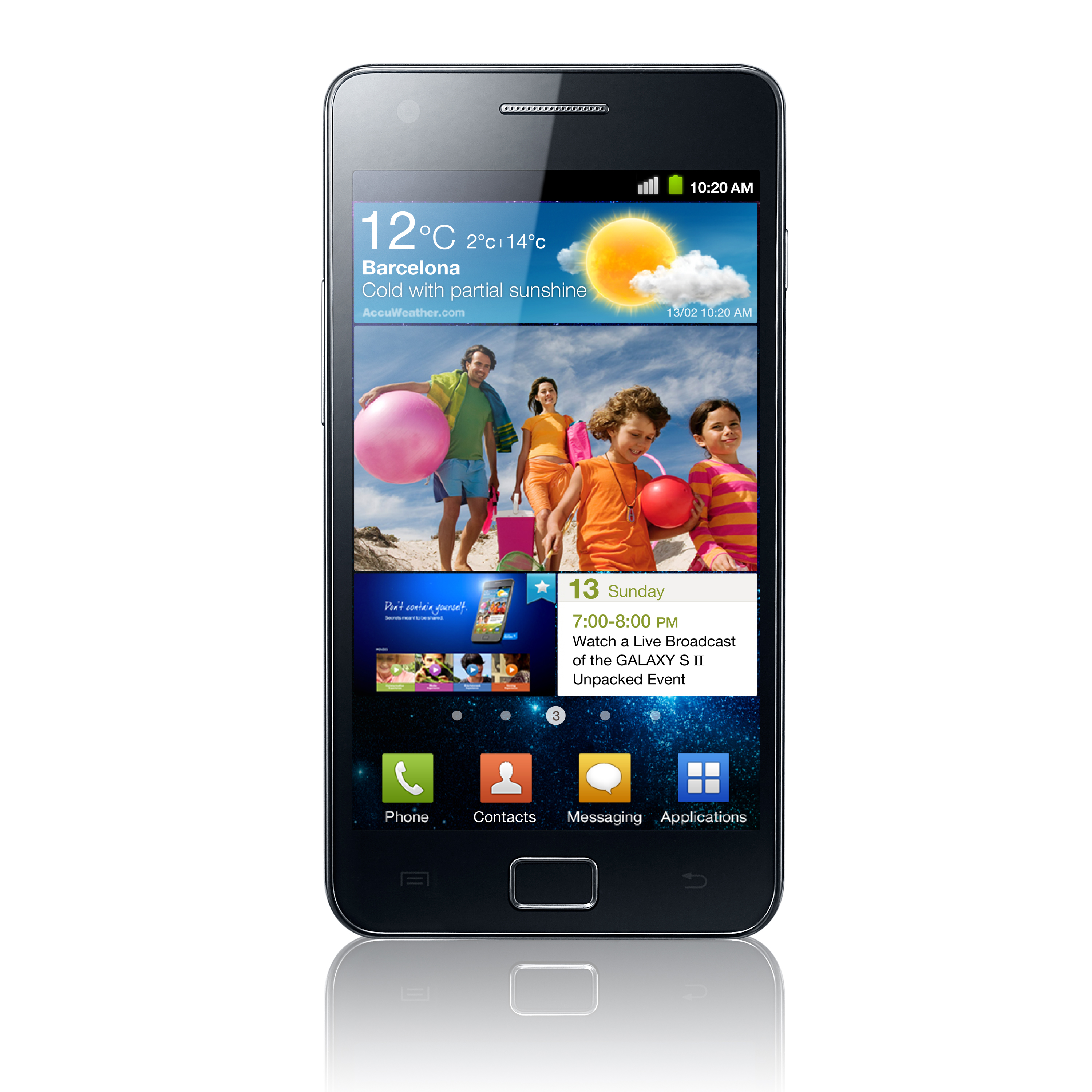
The Galaxy S II has a 4.3-inch Super AMOLED Plus display and is only 8.49mm thin. The phone continues the Galaxy S tradition of being incredibly lightweight at 116g.
{gallery 946}
The Galaxy S II has a 1650 mAh battery and Samsung is promising improved standby and talk time vs. the original Galaxy S.
The phone also supports NFC, HSPA+ 21.1 Mbps, Bluetooth 3.0, 1080p full HD recording/playing, an 8MP rear facing camera with LED flash and WiFi Direct for wireless syncing. The Galaxy S II will run Android 2.3.
More info as we get it.
Read More ...
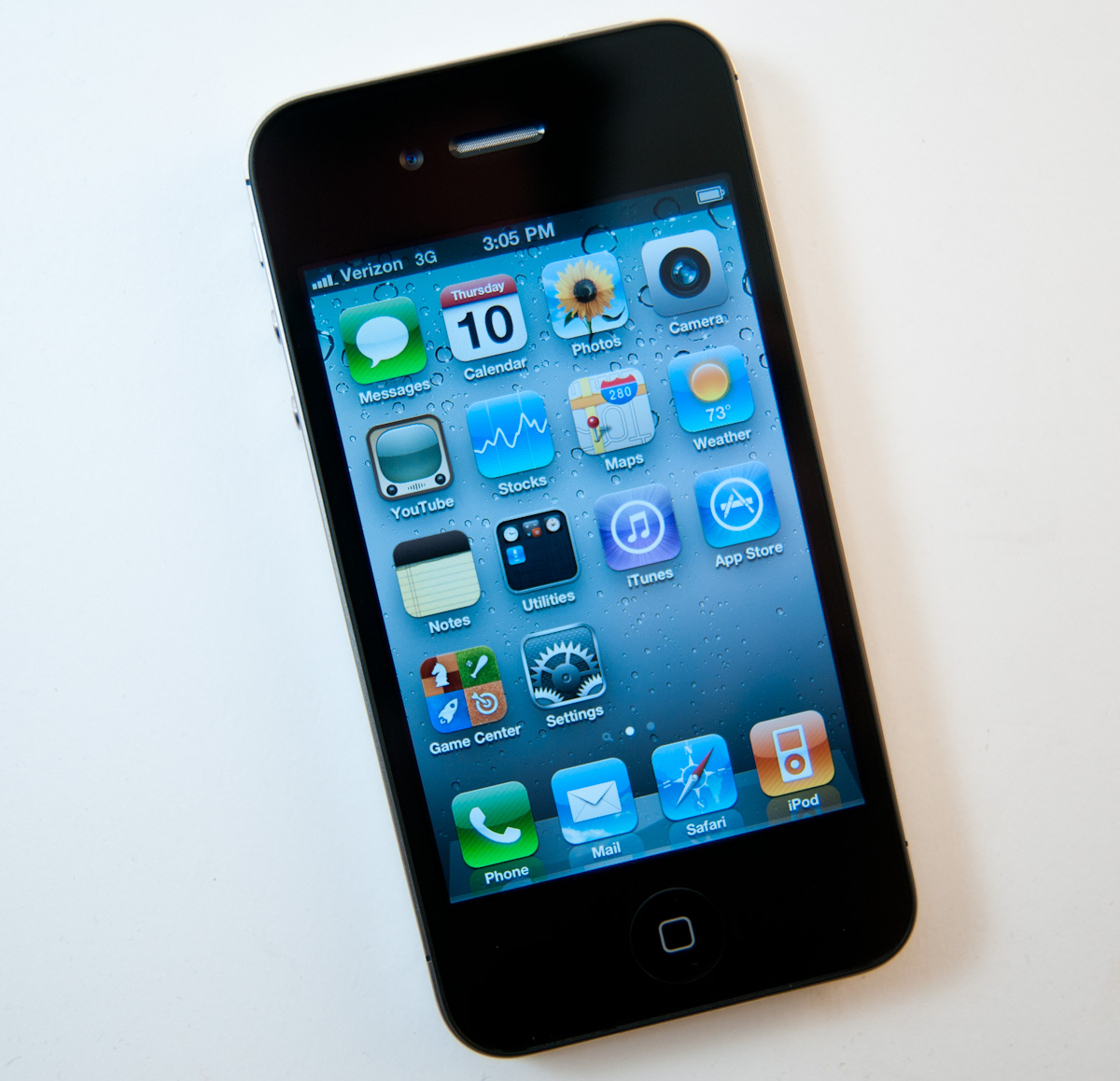
Verizon iPhone 4: Thoroughly Reviewed
After literally years of fruitless rumor, speculation, and waiting, the Verizon iPhone is finally here. It's a CDMA version with almost identical hardware to the GSM/UMTS version which shipped in the summer, with a few small changes and surprises.
Read More ...
MWC 2011: LG Optimus 3D and Optimus Pad Announced

Read on for more details about these two new Android devices.
Read More ...
The Motorola Atrix 4G Preview
A couple of months ago I had the opportunity to join a bunch of NVIDIA employees for dinner. Among those at the table were Michael Toksvig and Tony Tamasi. Michael, or Tox as he likes to be called, worked on the AA hardware for NV17, NV25, NV40 and G80. He managed to skip NV30. More recently Tox was the chief architect on GeForce ULV, the GPU integrated in NVIDIA's Tegra 2 SoC.
Tony Tamasi is someone I've known for around a decade. I first met him while he was working at 3dfx, and got the pleasure of working closely with him when he later moved to NVIDIA to do technical marketing. Both Tox and Tony are very passionate engineers at heart and are up for a good conversation.
The conversation we had at dinner that night was on the future of the smartphone and the mainstream PC. Tony argued that technically, within 3 years, a high end smartphone will be able to offer the performance of a (low end) mainstream PC today. Admittedly that isn't the highest bar possible as virtually everything above a netbook falls into that category, but it's a valid claim.
Motorola is attempting to jump start that evolution. The Atrix 4G is the second Tegra 2 based smartphone we've received in our labs, but unlike the Optimus 2X it hopes to be more than just a superphone. Equipped with 1GB of memory and the ability to run a full version of Firefox for Linux, Motorola hopes the Atrix 4G will be a smartphone, superphone and netbook replacement all in one.
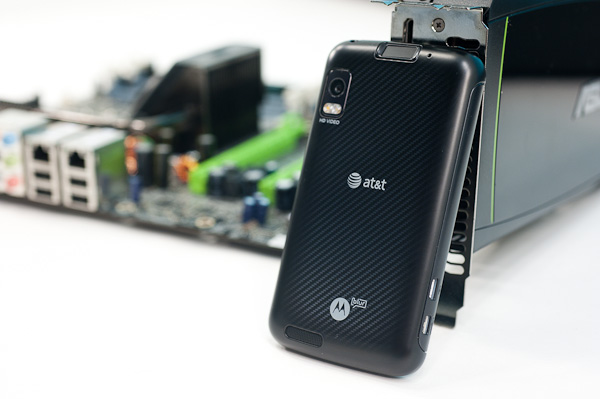
A couple of days ago I got a package from Motorola. In it was the Atrix 4G, a multimedia dock, bluetooth keyboard and mouse. I'm currently on a flight to Barcelona to join Brian Klug as we cover Mobile World Congress for the first time on AnandTech. MWC is a very large mobility focused tradeshow that's held yearly. From a content standpoint it's like a smartphone/tablet CES.
It takes days for us to run through all of our battery life tests, and usually a couple of weeks of constant usage for us to put together one of our smartphone reviews. With Brian working on the Verizon iPhone 4 and both of us en route to MWC, it'll be a little while before we can bring you a full, in-depth Atrix 4G review.
That being said I wanted to get some of my thoughts out there as this is a highly anticipated device that attempts to do a lot.
What follows is by no means a full review, I wouldn't dream of calling it that. But rather an account of my experiences with Motorola's Atrix 4G thus far. Give me some time after MWC and we'll get a full review up. The Atrix hasn't left my side since it arrived and I'll be using it to keep up with emails and schedule meetings at the show as well.
Read More ...
Windows Phone 7 Kinect Connectivity, Update Schedule Get Official
Microsoft is working hard to solidify its new product as a market leading player
Read More ...
Researchers Study Sex and Pregnancy in Space, Say it Will be Hard
Space sex has a long way to go before it gets off the ground
Read More ...
USAF Certifies First Aircrat for Biofuel Use
Aircraft can operate on up to 50% biofuel mixed with JP-8
Read More ...
Boeing 747-8 Intercontinental Makes Official Debut, Guns for Airbus A380
Aircraft is the longest commercial airliner in the world
Read More ...
Amazon to Cease Operations in Texas over Tax Collection; State Gov. Looks to Change Retailer's Mind
Texas Comptroller charged Amazon $269 million in sales taxes that were not collected on online sales in the state, provoking Amazon to close its distribution center and cancel plans to expand its operations in Texas
Read More ...
Qualcomm Unleashes Dual and Quad-core 2.5GHz Mobile ARM SoCs
Coming soon to a smart phone near you -- four cores
Read More ...
Nokia CEO Denies Being Trojan Horse, Another Former Microsoft Exec Appointed
Microsoft to pay out billions in blockbuster deal with Nokia
Read More ...
Sony "Playstation Phone" Leads Shiny New Android Trio
Sony Ericsson's campaign to regain global smart phone marketshare seems off to a legitimate start
Read More ...
Samsung Officially Announces Galaxy S II, Galaxy Tab 10.1
Samsung reveals its next generation smartphones, tablet
Read More ...


No comments:
Post a Comment