

Facebook makes a cool $800 million in 2009

Facebook made a cool $800 million in 2009, twice the amount of money it made in 2008.
It is considerably more money than was predicted by some of Facebook's own board members and a number of industry analysts.
It also means that, for the first time, the leading online social network has turned a profit.
Advertisers and userbase growth
Over the last year, the number of advertisers on Facebook has increased by 400 per cent and the number of users has swelled to nearly half a billion worldwide.
The latest news on Facebook's record financial results comes from Reuters, citing "two sources familiar with the situation" to confirm Facebook's 2009 revenues.
While we await official confirmation from Mark Zuckerburg's accountants, it is clear that the massive growth in the company's revenues is an indicator of how it plans to develop as an advertising sales platform.
"They are downplaying their performance," one unnamed source told Reuters.
"There's no upside in getting people's expectations high, it's always better to go low."

 |  |
Read More ...
O2 restricts iPhone 4 to current customers only
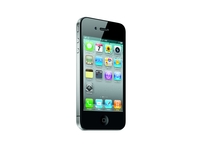
The fervour around the iPhone 4 is seemingly growing daily, and O2 doesn't look like it will be getting any new customers off the back of the excitement.
Despite having some pretty competitive tariffs ahead of the 24 June release date, O2 has put out a statement that shows it anticipates selling out pretty quickly.
"iPhone stock will be extremely limited in the UK at launch and not everybody who wants one will be able to get one straight away.
All about the customers
"We want to make sure that our existing customers get priority so until at least the end of July, only existing O2 customers will be able to get an iPhone 4 from us.
"Whether you're an existing O2 mobile customer looking to upgrade, or one of our broadband customers looking to move your mobile to O2, our iPhone stock is reserved exclusively for you."
It's a nice thing to see a network putting its current customers first, but we bet O2 would rather not have to restrict anyone from getting the iPhone 4 - are we seeing early stock problems already for Apple?

| |
Read More ...
Review: Acer Aspire 1825

2010 is already proving to be the year of the tablet PC, with Apple's iPad leading the charge.
As well as a host of upcoming competitors, such as the Fusion Garage JooJoo and the Dell Streak, we've seen a growing number of laptops which convert into tablets hitting the high street.
The Acer Aspire 1825PTZ-413G25n is the latest such convertible, and while the bright and responsive touchscreen adds a fresh layer of usability, this hybrid is unlikely to tempt any iPad fans to convert.
With the screen in a normal upright position, the Acer Aspire 1825PTZ is a typical compact laptop.

A well-sized keyboard stretches the width of the chassis and proves to be intuitive for touch typing, despite Acer's traditional flat key design, which lacks definition.
We made minimal mistakes even when typing at length, although there is visible flex in the centre of the board and the arrow keys are rather small and cramped.

With a weight of just 1.7kg and a thickness of 35mm, this is an ultraportable laptop that can easily be slipped into a bag.
The chassis itself is firm in all areas, which gives the Acer Aspire 1825PTZ a semi-rugged feel. This laptop likely wouldn't survive a tumble from a desktop, but it can bounce around inside a rucksack all day with little complaint.
Despite the compact chassis, Acer has found room for three USB ports and also VGA and HDMI outputs.
However, unlike the similar Fujitsu LifeBook T4410 convertible laptop, there's no room for an optical drive. You'll therefore need to hook up an external drive via USB to watch DVDs or install applications from a disc.
The Acer Aspire 1825's 11.6-inch touchscreen has a sharp 1366 x 768-pixel resolution and is pleasingly bright thanks to the LED backlighting, which means working into the wee hours is easy on the eye.
A glossy Super-TFT screen has been used and the results are impressive, with colours popping from photographs. The only drawback is the increased reflectivity, which will have you squinting at the laptop's screen when outdoors or in a brightly-lit office.
The screen is attached via a single central hinge, which allows the display to be tilted all the way back to a horizontal position.

The Acer Aspire 1825 is, therefore, just as comfortable to use on your lap as it is on a desk, without giving you neck strain. To convert the laptop into a tablet, the entire screen can be rotated 180 degrees and folded back over the keyboard in one smooth and simple motion.
The keyboard and touchpad are both obscured in this mode, so the touchscreen is the only means of interaction.
While Apple's iPad can be comfortably held in one hand, leaving the other hand free to prod the screen, the Acer Aspire 1825 weighs almost 1kg more. Weights trainers will likely scoff, but we found this a real burden when operating one-handed and our biceps ached after just a few minutes.

This problem also impacts the other convertible laptops we've seen, such as the Fujitsu LifeBook T4410 which comes in at a mighty 2.2kg. The best method for use is to either support the entire device with your forearm, or simply lay the Acer Aspire 1825 flat on a surface.
Interaction with the touchscreen is done directly using your fingers – there's no stylus pen here.
Microsoft's Windows 7 operating system comes pre-installed, with full touch support built in, although the interface is sadly not as smooth to use as Apple's iOS on the iPad.
The iPad has large icons and excellent gesture control, perfect for poking and prodding, whereas Windows contains too many cluttered menus and tiny links that are sometimes difficult to select with a finger.
Still, the Acer Aspire 1825's touchscreen is highly responsive and sharp enough to make navigation that little bit more tolerable. Prodding the screen equates to a left mouse click, while holding your finger down acts as a right-click.
Acer has also included a shortcut button that simulates key combinations such as Ctrl+Alt+Del, while a built-in accelerometer automatically rotates the Windows desktop depending on which way you're holding the tablet.
When it comes to typing out emails or documents, a virtual keyboard can be dragged onto the Acer Aspire 1825's screen from the left side of the desktop.
This is the same Windows keyboard that can be found on other convertible laptops, and is vastly superior to the one found on Apple's iPad as a full range of numbers and symbols are immediately accessible.
However, it's still a laborious way to type anything longer than a paragraph, because the response is not quite instant and there's no tactile feedback. For longer typing sessions it's highly recommended that the actual keyboard be used.

The touchscreen control could easily be rejected as a gimmick – a shallow attempt to emulate the iPad – but Acer has attempted to justify it by including its own TouchPortal software with the Aspire 1825.
This is a media hub that gives you quick and easy access to your photos, video and music, all well presented within a touch-friendly interface. There's also a small number of applications and games, including a notepad for scrawling hasty reminders.
On-screen hotspots are generously large, so fat-fingered users are well catered for. Media libraries are scrolled through by flicking your finger left or right, and simply tapping your selection will play music and video, or display photographs.
Full touch controls are laid out on-screen, to pause or skip through your media.
Even opening the application is easy – just drag down the right corner of the desktop and TouchPortal slides onto the screen.
It's reminiscent of HP's TouchSmart software which came with the TouchSmart tm2-1010ea hybrid laptop, and at least gives a reason for using the touchscreen. However, TouchPortal is blown out of the water by the huge variety of touch-based applications available for the iPad.
A last-generation low-voltage Intel Pentium SU4100 processor powers the Acer Aspire 1825, with the aim of providing respectable performance without compromising battery life.
We found that the laptop was roughly twice as powerful as a typical modern netbook, but less powerful than laptops powered by Intel's latest range of Core processors.
Office applications and other resource-light programs run without issue, but more demanding software such as professional design packages will occasionally grind. Multitasking also slows things down considerably.
3D performance is provided by an integrated Intel graphics card, which lacks its own dedicated video memory and so leeches from the main system memory instead.
As a result, graphical performance is very basic. Watching video and simple photo editing is no problem, but more complex multimedia jobs such as video editing and gaming are beyond the Acer Aspire 1825.
In comparison, performance trails behind the Fujitsu LifeBook T4410 with its newer Core 2 Duo processor. If you want a convertible tablet laptop which can effortlessly multitask and run the latest software, the LifeBook is the one to choose.
A similar Pentium processor is used the HP TouchSmart tm2-1010ea, although the TouchSmart also has a dedicated ATI Mobility Radeon HD graphics card which is capable of running more intensive multimedia applications.
However, the low-powered processor and integrated graphics does have a profound impact on battery life, with the Acer Aspire 1825 capable of almost nine hours of productivity between charges.
This beats the majority of laptops, and even most netbooks currently on the market, making Acer's tablet transformer one of the most portable machines we've seen in a while.

Touchscreen tablets are undoubtedly going to be huge this year, and convertible laptops such as the Acer Aspire 1825 are taking advantage by offering a touch-based interface in addition to the standard laptop keyboard and touchpad.
It's not a perfect solution by any means, but one that offers something for everyone.
We liked
As a standard laptop, the Acer Aspire 1825 is a well-built and highly-usable machine, with a great keyboard for touch-typing and a sharp, bright screen that is perfect for viewing documents and media.
Conversion to a tablet-like device is quick and simple, with the screen twisting 180 degrees and folding back over the keyboard. Controls in this mode are well implemented, while Acer's TouchPortal software makes great use of the responsive touchscreen.
The low-voltage processor and integrated graphics processor has allowed Acer to build a firm, compact chassis that weighs just 1.7kg, and is great for carrying around.
The excellent battery life reaches almost nine hours, further enhancing the Acer Aspire 1825's portability.
We disliked
The laptop's compact chassis is unfortunately light on features, with no room for an optical drive.
That low-voltage processor means performance is limited to simple office tasks and resource-light applications, while the integrated graphics rules out any gaming or intensive multimedia action.
The Acer Aspire 1825 may be light, but it's still 1kg heavier than the iPad and consequently a strain to operate one-handed.
Outdoor use is hampered by a reflective screen coating, and the TouchPortal software is no substitute for the thousands of apps available for Apple's device.
Verdict
In some respects, the Acer Aspire 1825 offers the best of both laptop and tablet worlds.
The device can be held in both hands to watch films, and anyone who hates touchpads can browse their files and media by stroking and prodding the screen directly. Then, when a lengthy email needs to be churned out, the screen can be raised to access the physical keyboard.
However, the huge variety of upcoming tablets offer slimmer, lighter, more desirable options for browsing the web on the move, with the iPad proving superior thanks to its excellent operating system, flawless controls and huge range of apps.
Despite this, the Acer Aspire 1825 is one of the best convertible laptops you can currently buy, and anyone looking for this sort of portable solution should look no further.
Related Links
| |
Read More ...
Review: Fujtsu Lifebook P770

Modern laptops display incredible variety in terms of raw power. From the humble netbook (such as the Asus Eee PC 1005PE) to the beefiest gaming rig (like the MSI GT640), the difference in performance is often astonishing.
However, the difference in price and portability is just as eyebrow-raising, with a top-end multimedia machine costing roughly the same as a house deposit in London, and weighing as much as your washing machine.
Intel has therefore come up with a 'best of both worlds' solution with its latest processor, the low-voltage Core i7 620UM, which offers great performance on a smaller scale complete with greatly reduced power consumption.
The Fujitsu Lifebook P770 is one of the first laptops we've seen with this new technology and we eagerly tested it out to see what difference the new low-voltage Core i7 processor would make.

With a weight of just 1.5kg, the Fujitsu Lifebook P770 is an ultraportable laptop that is almost as light as a netbook. It's just as compact too, with a 12.1-inch screen and a chassis that's only 30mm thick.
The Lifebook can be slipped into a bag or case and carried around all day without weighing you down.
One of the drawbacks is the plastic look and feel of the laptop, with noticeable flex around the palm rests and the entire right side of the chassis. This doesn't impact usability at all, but does considerably cheapen the overall feel.
The Fujitsu Lifebook P770's shiny lid is also easily bent, which risks damage to the display, so care should be taken to lift the laptop by its body and not the lid.
Despite the compact chassis, Fujitsu has packed a huge number of features into the Lifebook P770. DVD drives are often omitted from smaller laptops but one is built in here, and this boosts portability because an external optical drive is not needed.

An ExpressCard slot is available for adding peripherals, along with three USB ports and VGA and HDMI connections.
A row of shortcut buttons is laid out just above the keyboard, which enable quick access to various power and networking options, such as turning down screen brightness and connecting to a wireless network.
Another button enables you to lock the computer when leaving your desk, to prevent unauthorised users from accessing your private data.
To further boost security, a fingerprint scanner can be found just below the Fujitsu Lifebook P770's touchpad, which can be used as an alternative to a password for booting up the laptop – perfect for anyone with a lousy memory.
If further ports are required, the Lifebook P770 can be sat on an included docking station. This adds a DVI port for hooking up a DVI-compatible external monitor, an eSATA port for fast data transfer with external hard drives, and four extra USB ports for a massive total of seven.

The dock also inclines the keyboard at a more comfortable and natural angle for typing at your desk. However, storage is less impressive, with only 160GB of hard drive space to be found within the slimline chassis.
Anyone with large media collections will be forced to carry around discs or external drives containing their albums and movies.
Networking options are much better, with speedy 802.11n Wi-Fi and Gigabit Ethernet available for wireless and wired connections respectively.
This is backed up by built-in Bluetooth support for communicating with portable devices such as mobile phones and wireless headsets.
The Fujitsu Lifebook P770 can also connect to the internet from almost anywhere in the country via phone masts using the built-in 3G module, much like modern smartphones.
A working SIM card must first be inserted into a slot behind the battery, and a data subscription will be needed from a mobile network provider. This often comes with a monthly subscription charge and there may be a cap on the amount you can download, so be sure to shop around.
The Fujitsu Lifebook P770's keyboard is narrow thanks to the reduced-scale chassis, with small-scale keys similar to a netbook.
Anyone used to typing on a full-sized laptop will initially struggle to build up a rhythm, but the period of adjustment is short and the tapered surface of the keys is perfect for touch-typing once you're used to the compact size.

The touchpad is quite cramped too, but accompanied by two firm and well-mounted mouse buttons.
Fujitsu has rejected the glossy screen coating that most modern laptops employ. The Lifebook P770 instead uses a non-reflective 12.1-inch TFT display, which can comfortably be used outdoors even on those rare sunny summer days.
Image reproduction does suffer a little, with colours noticeably muted compared to Super-TFT displays, but photos and videos still look sharp thanks to the 1280 x 800-pixel resolution.
Two processors typically on opposite ends of the power scale are ultra low-voltage (ULV) CPUs, which are smaller chips that offer basic levels of performance in order to conserve battery life, and Intel's latest range of Core i7 processors, which are perfect for hardcore gaming and resource-intensive applications.
However, Intel's new ULV Core i7 processor is a hybrid of the two, which offers buckets of power, but also vastly improved battery life.
The Fujitsu Lifebook P770 is powered by this Core i7 620UM processor and the results are truly stunning.

This is easily one of the most powerful low-voltage chips currently available, comparable in performance to Intel's standard Core i3 and top-end Core 2 Duo chips, and we could comfortably multi-task with a number of resource-intensive applications thanks to the dual cores and 4096MB of speedy DDR3 memory.
Unfortunately the Fujitsu Lifebook P770 only comes with an integrated graphics card, with no dedicated video memory. This means it must leech from the main system memory, which is a much slower process.
Only basic 3D performance is possible, so professional design work is a choppy experience and anything but the oldest or most basic 3D games immediately struggle and die.
This isn't Fujitsu's first entry into the ULV laptop market – it recently released the Lifebook P3110, which was powered by a low-voltage Intel Pentium processor.
While the Lifebook P3110 was just as compact and light as the Lifebook P770, the P770 managed far better performance in our benchmark tests and also had greatly improved battery life.
We ran the Lifebook P770 for a huge 427 minutes away from the mains – enough for all-day productivity on the move – compared to the P3110's 314 minutes.

The next generation of low-voltage processors already offer the kind of performance we saw from top-end chips a year or two ago.
With the added bonus of their slimline design and reduced power consumption, we can now expect resource-intensive applications to run smoothly on something no bigger than a typical netbook.
The Fujitsu Lifebook P770 is one of the latest entrants to the ULV laptop market, and there's a lot to like here.
We liked
With excellent battery life and a light and compact chassis, the Fujitsu Lifebook P770 is a highly portable machine that rivals most netbooks.
But that low-voltage Core i7 processor means the P770 is much more powerful than a netbook, capable of multitasking with resource-intensive applications.
Fujitsu has also crammed plenty of extra features into the Lifebook P770, including a fingerprint scanner for extra security and a docking station to increase the number of available ports.
Built-in 3G support gives users the freedom to travel almost anywhere in the country and still access the internet.
Usability is also strong, with a firm and textured keyboard that proves great for touch-typing after a short bedding-in period, and the non-reflective TFT screen is perfect for outdoors use.
We disliked
Although the low-voltage Core i7 processor provides great performance, the integrated graphics means that games and intensive multimedia applications are out of the Fujitsu Lifebook P770's league.
The chassis may be light and slim but it's also plastic in look and feel, with noticeable flex in several areas.
Storage is limited at just 160GB, and while the TFT screen is highly non-reflective, it also loses some vibrancy without the glossy coating that many modern laptops use.
Verdict
Anyone who needs a highly portable laptop for constant travel, but with more power than a standard netbook, should definitely consider the Fujitsu Lifebook P770.
Very few flaws detract from this feature-packed machine, which provides the ultimate freedom thanks to the built-in 3G module.
Related Links
| |
Read More ...
Review: Sony VAIO VPCZ11Z9E/B

Sony's stunning VAIO Z Series has long been the standard by which all high-end ultraportable laptops should be compared.
Packing style, usability and high-performance into a sleek and sturdy sub-2kg chassis, the VAIO Z Series has frequently and vastly bettered such high-quality rival laptops as the Toshiba Portégé R600 and Apple MacBook Air.
It was with some trepidation, therefore, that we received the news that Sony was fitting its latest flagship model – the Sony VAIO VPCZ11Z9E/B – with a high-powered processor from Intel's cutting-edge Core i7 range, a discrete Nvidia graphics card and a staggering 6GB of DDR3 memory – components far more at home in the largest high-end desktop replacement.
Is it really possible to pack such powerful components into such a slim and lightweight ultraportable laptop? And if so, wouldn't it massively overheat the chassis and reduce battery life to almost zero?
In short, we felt that Sony had set itself a challenge to break the laws of physics. Believe it or not, Sony has managed the impossible.

As soon as you pick up the Sony VAIO VPCZ11Z9E/B, you're immediately struck by the high quality of the build.
Designed using hybrid carbon fibre and milled aluminium, the 1.4kg chassis is lightweight and highly resilient, making it ideal for a busy life on the move. Only the base of the chassis flexes very slightly under pressure, but not enough to be a concern.
The gunmetal grey colour scheme and metallic finish makes the Sony VAIO VPCZ11Z9E/B something of a high-end executive status symbol, and it looks fantastic.
With the chassis slanting from 33mm at its rear when closed to just 22mm at the front, it can comfortably be carried in the hand when walking and slips easily into and out of a carry case when travelling.
Despite its slim dimensions, the chassis provides ample connectivity.

On the left-hand side you'll find a Gigabit Ethernet port for high-speed wired network access, two USB 2.0 ports for connecting external peripherals, a compact 34mm ExpressCard slot and an HDMI-out port for digitally connecting to a high-definition TV.
The right-hand side of the VAIO VPCZ11Z9E/B's chassis is sparser, with just a single USB port and a VGA-out for connecting the VAIO to older analogue monitors and projectors.
An integrated DVD/CD rewriter occupies the remaining space – this is still a surprisingly rare feature for such a slim machine, so it's to Sony's credit that it's been included here.

Rather than an eject button on the drive itself, a small button above the keyboard is used instead. This sits alongside two other buttons seen on many new VAIO laptops.
The 'VAIO' button launches Sony's Media Gallery multimedia software, for browsing your photos and music, while 'Assist' launches Sony's handy troubleshooting and system maintenance tool.
Essential for a mobile business tool such as this, the spacious keyboard is a pleasure to use. Built using the popular isolated-key – or 'chiclet' – style, each key is cut through a hole in the VAIO Z Series' top panel.
Not only does this provide ample space between each key, but it also prevents dust and debris from falling beneath and affecting responsiveness of the keys.
We found the keys to be firmly fixed and responsive, moving with a quiet motion. The raised palm-rest adds to the keyboard's comfort, making it easy to work for long periods of time with the VAIO VPCZ11Z9E/B.
While there is no dedicated numeric keypad, a Num Lock key transforms sixteen of the alphabet keys into a numeric keypad for entering data.
The keyboard is also backlit, with an ambient light sensor detecting how bright your location is and adjusting the backlighting accordingly – dimming when not in use, to preserve battery life.
Unfortunately, we found the keyboard to lack the brightness of rival machines such as the Apple MacBook Pro and it was not as easy to view in low-light conditions as we'd have liked.

More pleasing is the 13.1-inch screen. Featuring a widescreen 16:9 aspect ratio, it is ideal for watching movies and viewing documents side-by-side.
While it's not as bright as laptops in Sony's 18.4-inch VAIO AW Series, for example, the LED backlighting ensures adequate brightness and the non-reflective screen coating offers great visibility in bright conditions.
While the screen is very thin – measuring just 5mm – it is not nearly as flexible as other screens we've seen, such as the panel of Toshiba's fantastic Portégé R600 range.
With its resilient rear panel, the screen is well protected when the laptop is in a carry case, and with a minor amount of flexibility on offer it bends slightly under pressure, reducing the risk of cracking.
As the flagship model of Sony's Z Series, the VAIO VPCZ11Z9E/B screen features a Full HD 1920 x 1080 pixel resolution. This is extremely rare on a screen of this size and makes for one of the sharpest displays we've seen on an ultraportable laptop.
Of course, it also makes on-screen text extremely small, which can strain the eyes when working for extended periods, but you can tailor Windows 7's DPI settings to make text and icons appear larger.
Sony claims that the screen has been calibrated using up to 96 per cent Adobe RGB colours, making it well-suited to use by professional photographers.
When viewing photos, movies and even web pages, we certainly found colour and contrast to excel, with images popping from the screen with dazzling vibrancy and deep black levels creating a striking display of contrast.

It is here that we come to the real selling point of the VAIO VPCZ11Z9E/B – its staggering performance.
With graphics delivered by a discrete Nvidia GeForce GT 330M graphics card – a chip more commonly seen in far larger laptops – this is by far the most graphically-capable sub-2kg machine we've seen to date, offering power ideal for any requirement.
Since most ultraportable laptops use integrated Intel graphics cards fitted as part of the base chipset, the discrete Nvidia chip of the VAIO VPCZ11Z9E/B more than quadruples the power of its rivals.
Whether you want to run high-performance photo and video editing tools, watch high-definition movies on the move, or even play the latest games, this VAIO does it all.
This level of power often comes at the price of battery life, so Sony has fitted the VAIO Z Series with a hybrid graphics switch.
This lets the user switch to 'Speed' mode to use the dedicated Nvidia card or 'Stamina' to use the lower-powered integrated Intel GPU when maximum battery life is needed.
A third option – labelled 'Auto' – automatically switches to the Nvidia GPU when the laptop is plugged into mains power and the Intel chip when running on battery power.
While the VAIO Z Series unfortunately doesn't yet use Nvidia's Optimus technology to automatically switch to the required graphics card, depending on whether the software you are currently running requires maximum graphics power, the effect – albeit via a manual process – is much the same.

While this system makes sense in theory, we found it less useful in practice, however.
Testing the battery performance of the VAIO VPCZ11Z9E/B using Bapco MobileMark 2007 software – an industry-standard laptop benchmarking tool – the Sony ran for 278 minutes when using the Nvidia chip and just 285 minutes when using the Intel chip.
With such a negligible difference in results, there's no real need to ever switch to the Intel graphics card.
With many rival laptops and netbooks, such as the Asus UL30A and the MSI Wind U160 can run for between eight and 13 hours on battery power, the near five-hour battery life of the Sony VAIO Z Series may seem a little underwhelming, but when you bear in mind the stunning performance it offers, half a day's mobility is a very reasonable trade-off.
This is particularly true when you consider that this tiny machine runs a full-powered chip from Intel's flagship Core i7 processor range – Intel's best CPUs yet.
While rival laptops such as the Fujitsu Lifebook P770 run ultra-low voltage Core i7 chips, the Sony VAIO VPCZ11Z9E/B runs a full-powered version for the best performance from any sub-2kg laptop to date.
While the dual-core 2.66GHz Intel Core i7 620M processor lacks the quad-core power of more expensive Core i7 chips, it can automatically ramp up to a staggering 3.33GHz when increased performance is required and is backed by an amazing 6GB of DDR3 SDRAM.
With the 64-bit Windows 7 operating system enabling all of this memory to be utilised, the sheer power of the VAIO VPCZ11Z9E/B is a wonder to behold, and far beyond anything we had expected.
Even when multi-tasking with several applications from Microsoft's Office suite, while also working with Adobe Photoshop and Illustrator software open, the VAIO Z-Series never noticeably slowed down and effortlessly sped through all tasks demanded of it.
If you're seeking the world's most powerful ultraportable laptop, the VAIO VPCZ11Z9E/B currently has no rivals.
In terms of storage, the VAIO VPCZ11Z9E/B uses four 64GB SSDs (Solid State Drives) set up in a RAID configuration, for a total of 256GB of storage space.

While SSDs are lighter and less prone to damage than a standard hard disk thanks to their flash-based design and lack of moving parts, some users may have preferred a more capacious 2.5-inch hard drive to have been used.
While the RAID configuration is ideal for maximising data storage, it's an easy process to disable RAID in the BIOS and use each of the 64GB SSDs separately.
This can be useful for installing Windows 7 on one SSD, for example, while using the second for installing software and then encrypting the third and fourth for storing business and personal data, respectively.
Adding to the data security of the VAIO Z Series is the inclusion of a fingerprint scanner fitted between its mouse buttons.
Easy to configure, it allows you to restrict access to data or to the laptop itself, with only registered users allowed access with a swipe of their finger. Since passwords can be guessed or cracked, this is a great feature for professional users.

Finally, no high-powered ultraportable would be complete without comprehensive wireless connectivity, so thankfully the VAIO VPCZ11Z9E/B is fully equipped with 802.11n Wi-Fi for connecting to local wireless hotspots at maximum speed.
Bluetooth connectivity is also in place, for wirelessly connecting to compatible devices for quickly syncing and sharing data.
3G connectivity is present and, once signed up with a network provider, the SIM card slots neatly beneath the battery of the VAIO Z Series and lets you connect to the internet via mobile phone masts when out of reach of local wireless hotspots.
When used with the tiny camera above the VAIO's screen, it can allow easy video-conferencing use wherever you go.
With its stunning performance, eye-catching style and feature-packed specification, the Sony VAIO VPCZ11Z9E/B is a laptop that's extremely hard to ignore.
While its arguably limited storage, screen brightness and battery life mean that it's not perfect, it comes as close as any ultraportable that we've seen to date and is a truly commendable achievement by Sony.
We liked
Packing Intel's full-powered Core i7 processor and 6GB of DDR3 memory into such a small machine is a phenomenal feat, and easily makes this the most powerful ultraportable laptop around.
The use of a high-powered discrete Nvidia graphics card in such a small chassis is another impressive addition. Offering enough power for full-time multimedia use and gaming, you can enjoy the performance of a much larger laptop.
The combination of hybrid carbon fibre and milled aluminium used in the manufacturing of the chassis creates an exclusive and high-class look and feel for the VAIO VPCZ11Z9E/B, making it as tough as it is eye-catching.
Somehow, Sony has managed to combine the vibrancy of its glossy X-Black screen technology with the non-reflective surface of a standard TFT screen, making its 13.1-inch backlit LED screen a joy to behold. The Full HD resolution is the icing on the cake.
The spacious and well designed keyboard makes the VAIO VPCZ11Z9E/B a pleasure to work with at all times. Its keys respond firmly and quietly, and at no time does the board ever feel uncomfortable or frustrating to use.
We disliked
While the keyboard's backlighting and ambient light sensor is a good idea in theory, in practice we'd have preferred the backlighting to have been significantly brighter. Even in pitch-black conditions it just isn't enough.
The same can be said of the 13.1-inch LED screen's. While it is more than bright enough for use in most conditions, we've seen better on other laptops, and improved brightness would have really brought the screen to life.
The use of a Full HD resolution by Sony is commendable and adds to the professional specification of the VAIO VPCZ11Z9E/B, but its use on such a small screen is sure to pose a problem for those with limited eyesight, as text is extremely small and hard to read.
Five hours of battery life is an amazing achievement for such a high-powered machine, but we can't help but nitpick and say that we'd have preferred something closer to eight hours of use. Call us picky but this would've made this fantastic laptop even better.
While SSD storage certainly has its uses, a slim 2.5-inch hard drive could've doubled storage to 500GB and many users wouldn't have noticed much difference in the extra weight it added or the minutes it may have shaved off the battery life.
Verdict
With the release of the Intel Core i7-powered VAIO VPCZ11Z9E/B, Sony has raised the bar even higher than before, offering an as-yet unmatched combination of cutting-edge performance and features ideal for the most demanding needs.
While the price is certainly high, there's no doubt that this is the best ultraportable laptop you can currently buy.
Related Links
| |
Read More ...
Sky Sports on Freeview gets go ahead

Ofcom has given the approval for Sky Sports 1 and Sky Sports 2 to become available on Freeview – the first time the channels will be available through an aerial.
In a statement released today, Ofcom announced that it "has approved the BBC and Arqiva's request to broadcast Sky Sports 1 and Sky Sports 2 on Digital Terrestrial TV capacity that has become available as a consequence of the digital switchover process. It is proposed that these services will be retailed by BT."
This backs the interim agreement which was announced back in April.
BT's Sky Sport vision
The times are certainly changing for Sky. In June it was forced to offer its channel bundles at a discounted price to its rivals and just this week it was announced that it will be taking its Sky Sports News channel off of Freeview and replacing it with Sky 3+1.
There is no UK launch date for the channels, which will be subscription based, but HD-heads please note – the channels will not be available in hi-def.

| |
Read More ...
Orange trials HD Voice before late Summer rollout

Orange has announced it is to introduce HD voice on its 3G network later this summer. The company is currently trialling the service in Bristol, Reading and Southampton. The service will be free to Orange customers with compatible handsets.
We popped along to Orange's flagship Bristol store this morning to give it a go and were pleasantly surprised at how it filters out background sound and provides crystal clear voice quality.
Indeed, it seems as though it has a similar quality of voice to that on a DAB radio. Certainly, any tinniness is removed.
We were first called over 'normal' handsets so we had something for comparison before a call was made between two Nokia X6 handsets equipped with special software.
"It's an open standard," said Andrew Warner, Head of Voice and Messaging Products at Orange as he talked to TechRadar about the demo. "Other networks will use it, but we'll be first in the UK."
Warner told us that "we shouldn't take anything from" the fact the demo was on the X6, as he said he expected "all handset manufacturers to look at it within the next 18 months".
Warner added that HD Voice would require fully compatible handsets. Despite being a software update rather than anything to do with hardware, Warner adds that due to "being buried deep within the stack", HD Voice won't be offered as an over-the-air upgrade to existing handsets "for the moment".
Improved speech bandwidth
HD Voice offers about twice the speech bandwidth of 50–7,000Hz compared to the current narrowband speech codec of 300–3,400Hz. However, it doesn't take up any additional space on the network due to a more efficient codec - the WB-AMR (Wideband Adaptive Multi-Rate) speech codec.
This is especially important as bandwidth is under ever more pressure due to increased data use. "There's no point in making things better for some customers, if [it's not so good] for others," Warner confirmed.
The UK trial builds on the launch of the service by Orange in Moldova, where it has become the first operator in the world to offer the service. Warner told us that Orange had experimented there because it was a brand new network.
Orange says it will announce further details about the rollout in due course.

| |
Read More ...
BBC HD gives hi-def signal a face-lift

The BBC has quietly spruced up its HD channel after campaigners complained that the quality of the hi-def feed wasn't sufficient.
Although the tweaking happened a few weeks ago, it has only come to light now that improvements have been made, with John Temperley, of the BBC HD Campaign, contacting What Satellite & Digital TV magazine, explaining: "We are pleased to see that after nearly a year of campaigning, BBC HD has taken these measures and, as we expected all along, the results have been a significant improvement in picture quality.
"We feel these improvements vindicate our campaign, which will now continue with attempts to move the BBC to a Full HD service with a resolution of 1920x1080.
"We look forward to the BBC meeting the requirements of the license for BBC HD by offering a very high quality technical service to viewers, by adhering to, or seeking to exceed, industry standards for picture resolution."
Hi-def haranguing
The BBC HD campaign went straight to the top to get the quality improvements done, meeting with Danielle Nagler, head of BBC HD, and principal technologist Andy Quested.
The campaign has been going on since August 2009, when the BBC introduced new HD picture quality encoders and reduced the bandwidth of BBC HD to a constant 9.7Mbps from 16Mbps.
For a full run down of the changes made to the BBC HD's picture quality, he along to the BBC internet blog.

| |
Read More ...
iPhone 4 tariff: £25 a month from Vodafone

Vodafone has announced its own tariffs for the iPhone 4, offering more packages for those desperate to get their hands on Apple's new device.
On an 24-month deal, the packages range from £25 to £60 per month, with between 75 and 3000 minutes offered and 1GB of data.
However, the iPhone 4 is a little pricey - the iPhone 4 16GB costs from free to £219, and the iPhone 4 32GB costs from £59 to £309.
On the 18 month deals, you can pay anywhere from £30 to £65 a month for the privilege of owning an iPhone 4.
Pricey iPhones
The price of the handsets on this term range from free to £219 for the iPhone 4 16GB, and from £59 to £309 for the iPhone 4 32GB - the same as the 24 month deal, but with a more expensive monthly cost.
All the options come with 1GB of data, and an additional 1GB of Wi-Fi per month too, and selected packages (over £40 a month) give you 5MB of roaming data each day for holiday fun.
Vodafone also says customers wishing to use their iPhone as a modem can do so for £5 for 500MB, £10 for 1.5GB or £15 for 3GB.
The iPhone 4 has been given the same UK release date as everywhere else from Vodafone: 24 June, so you don't have a lot of time to get saving...

| |
Read More ...
Updated: iPhone 4: tariffs for UK buyers

The iPhone 4 UK release date is fixed for 24 June and networks have finally begun to release their iPhone 4 tariffs.
We'll detail all the iPhone 4 price plans here as they're confirmed by the networks.
Orange was first to reveal its full pricing officially, followed by O2 yesterday and Vodafone today.
Orange on contract
The iPhone 4 16GB costs £169 on a £30 a 24 month tariff, £119 on a £35 per month, £89 on £40, £29 on £45 and free on the £75 tariff. Not quite as much as we were expecting, but still pretty pricey. Orange also isn't offering any deals for existing customers to break contracts early, unlike O2.
The iPhone 4 32GB costs £100 more than those prices for the £30, £35 and £40 24 month tariffs, £139 on the £45 iPhone price plan and £29 on the £75 a month contract.
Minutes for all those are 150 on the £30, rising to 600 on the £35, 900 on the £40, 1200 on the £45 and unlimited on the £75. Texts are unlimited except that there's only 250 on the £30 tariff.
Orange also offers 18 month tariffs. With that duration, the iPhone 4 16GB costs £229 on a £35 per month tariff (there's no £30 a month), £169 on £40, £129 on £45 and £99 on the £75 tariff.
The iPhone 4 32GB costs £319 on a £35 18 month tariff (no £30 a month again), £269 on £40, £219 on £45 and £139 on the £75 tariff.
Minutes on the 18 month tariffs mirror the equivalent 24 month ones. Data is unlimited, though there's a 750MB fair use amount cited - still, this is more appealing than the limits that will be in place from O2 and Vodafone.
Tethering bundles start at £5 a month, but there's 3GB of tethering included on the £75 tariff.
Click to enlarge this Orange iPhone 4 tariffs table

Check out the Orange iPhone 4 tariffs here.
Orange on PAYG
Orange is also offering iPhone 4 on pay as you go. The prices are simple - £480 for the iPhone 4 16GB and £570 for the iPhone 4 32GB. You can put it on one of Orange's 'animal' tariffs, offering various different benefits. 250MB of mobile internet browsing is included for the first 12 months only.
This is cheaper than the below SIM-free prices direct from Apple, though the handset will presumably be locked to Orange.
Click to enlarge this Orange PAYG iPhone 4 tariffs table

Check out the Orange iPhone 4 deals here.
O2
Last week O2 released tariffs for what it loosely terms 'smartphones', including pay as you go and monthly contracts. It has now updated us with details of prices you pay for the iPhone 4.
O2 has scrapped unlimited mobile internet use across all of its phones, with a 500MB amount for tariffs below £35. All O2 tariffs for iPhone include Visual Voicemail and up to 1GB of UK data though from October you can buy upgrade packs - 500MB additional for £5 or an extra 1GB for £10.
The iPhone 4 16GB first then. The 100 tariff brings unlimited texts, 500MB data limit, for £25 per month for a 24 month contract or £30 per month for 18 months. The iPhone 4 16GB costs £279 on 24 month deals and £209 on 18 month deals here.
Then there are the 300, 600, 900 and 1200 minute tariffs, with 24/18 month prices at £30/35. £35/£40. £40/£45 and £45/50. The iPhone 4 16GB costs £179, £119, £89 and £29 on these tariffs respectively.
The top level 'unlimited' package brings unlimited voice and texts, unlimited WiFi internet and starts at £45 per month or £50 for 30 day rolling if you pay full price for the handset. The iPhone 4 16GB is free on this tariff, with the 32GB costing £29.
If you want the 32GB iPhone 4 on anything less than unlimited, it starts to seriously cost. £129 on 1200, £179 on 900, £209 on 600,£279 on 300 and £299 and £323 on 100 depending on the duration of the tariff you go for.
You pay 20p per MMS on all tariffs.
Click to enlarge this O2 iPhone 4 tariffs table

Check out the O2 iPhone deals here.
Vodafone on contract
Vodafone's tariffs leaked on Monday but we've had official confirmation today.
The iPhone 4 16GB on 24 month tariffs first. It's available for £219 on a £25 per month tariff, £169 on £30, £119 on £35, £89 on £40, £29 on an £45-a-month and free if you spend £60 a month.
Voice minutes are 75, 300, 600, 900, 1200 and 3000 respectively.
The iPhone 4 32GB is £309 on a £25 per month tariff, £269 on £30, £219 on £35, £189 on £40, £139 on an £45-a-month and £59 if you spend £60 a month.
Exactly the same handset prices apply on the 18 a month tariffs, but you pay £5 extra each month - that's £90 extra over the 1.5 years.
Tethering is extra - £5 for 500MB, £10 for 1.5GB or £15 for 3GB (inc VAT).
The 32GB variant shoots up the cost to £280, again on the year and a half or two year deals.The prices announced mirrored the 3GS tariffs as last year.
Read more on Vodafone's iPhone tariffs
Direct from Apple - iPhone 4 pre-order
Apple's without contract iPhone 4 price is £499 while the 32GB version is £599.
Apple is also rather hopefully placing the 8GB 3GS next to its new range of handsets – but given that still costs £419, we can't see many that won't want to fork out another £80 for what looks to be a much better phone.
Apple is offering the chance to pre-order the new handset or reserve one to pick up in store.

| |
Read More ...
Apple launches new 'Find My iPhone' app

A new app launching for the iPhone this week lets you find lost iPod touches, iPads and iPhones and, should you so wish, wipe the data off them remotely.
It is of course every Apple iPad or iPhone owners nightmare – to realise that you have lost your phone or have forgetfully (drunkenly) left your iPad in a bar.
MobileMe trial
Providing you have Apple's 'Find My iPhone' app installed on another iPhone, iPad, or iPod Touch you'll be able to track down your lost iPod, smartphone or tablet PC.
The catch? You'll need to shell out £59 for Apple's MobileMe each year.
You can give MobileMe a free 60 day trial to see if you might be able to justify the expense.
The app also lets you remotely lock your lost Apple device or even choose to delete all the data on it remotely, if there are things on there you don't want to find their way into the wrong hands.

| |
Read More ...
Motorola Milestone 2 snapped and on its way?

Motorola's foray into the world of Android shows no signs of abating, with yet another spy shot of its forthcoming phones leaking out.
The Motorola Droid X has already dropped in the US, but we've been seeing spy shots of the new Motorola Milestone 2 (or Droid 2 in the US) for a while now.
Weirdly the new phone was just left out on show at a NASA event - reps there said they had no idea of the name, but it is the successor to the Motorola Milestone.
Faster better stronger etc
There's a 5MP camera, which is apparently 'a lot faster', and the chassis is much smoother than before, despite being roughly the same size.
Other good news is the QWERTY slide-out keyboard has been overhauled - the keys are nicely spaced out, and the D-pad was downsized to make it easier to use.
It's also packing a 1GHz processor, and may be released with Android 2.2/Froyo, with a release date set for 'the next few weeks', according to the stand bunny - could we be seeing this in the UK too?
If it does land over here, we'd imagine it would have a new name, given the Motorola Milestone XT720 has just been announced - but we'll keep you posted.
Via Gizmodo

| |
Read More ...
Motorola Milestone 2 snapped and on its way?
Motorola's foray into the world of Android shows no signs of abating, with yet another spy shot of its forthcoming phones leaking out.
The Motorola Droid X has already dropped in the US, but we've been seeing spy shots of the new Motorola Milestone 2 (or Droid 2 in the US) for a while now.
Weirdly the new phone was just left out on show at a NASA event - reps there said they had no idea of the name, but it is the successor to the Motorola Milestone.
Faster better stronger etc
There's a 5MP camera, which is apparently 'a lot faster', and the chassis is much smoother than before, despite being roughly the same size.
Other good news is the QWERTY slide-out keyboard has been overhauled - the keys are nicely spaced out, and the D-pad was downsized to make it easier to use.
It's also packing a 1GHz processor, and may be released with Android 2.2/Froyo, with a release date set for 'the next few weeks', according to the stand bunny - could we be seeing this in the UK too?
If it does land over here, we'd imagine it would have a new name, given the Motorola Milestone XT720 has just been announced - but we'll keep you posted.
Via Gizmodo

| |
Read More ...
Droid X: new Android flagship phone breaks cover

The Motorola Droid X - the latest Next Big Thing in the Android world - has officially broken cover in the US.
The new phone is very similar to the Milestone XT720 we were treated to recently - which means it possibly won't make it to the UK.
However, there is one difference: a 4.3-inch display dubbed a '720p screen'.
Ridiculous resolution
We assume the latter means it can pump out HD content to TVs, as a 1280x720 screen at this size would be frankly ridiculous.
There's no more official word on specs as yet, but it's got an HDMI-out port, which means it's likely to record in HD; again, like the Motorola Milestone XT720.
We'll keep an eye out to see if this little gem drops over here, but don't get your hopes up too much - save all that for the Motorola Milestone 2 instead.

| |
Read More ...
Hitachi reveals roller-skating robot

Japanese consumer electronics company Hitachi has revealed a roller-skating humanoid robot called EMIEW2 at a Tokyo launch event this month.
The mini man-like marvel can rollerskate over uneven surfaces, and respond to your voice commands.
Excellent naming powers
EMIEW2 ("excellent mobility and interactive existence as workmate") has spring-loaded shock absorbers in its legs which let it move across bumpy surfaces and ride over wires, a first for these types of robots, claims Hitachi.
"It can control its posture the way humans do when we stabilise ourselves after jumping on inline skates," says Yuji Hosoda, chief researcher at Hitachi's transportation systems department.
EMIEW2 is only 80 centimetres tall and weighs in at 14 kilograms. It has 14 microphones fitted into its helmet that can pick up voice commands over and above extraneous noise.
Hosoda added: "It could also be used for security, such as patrolling and surveillance as it could find a suspicious person hiding in blind spots out of range of fixed security cameras," he said.
"This adorable EMIEW could lead to a new form of surveillance."
It wouldn't make a very good robotic security guard however, despite Hitachi's claims, as it can only move at a maximum 3.7 miles an hour.

| |
Read More ...
Interview: How Microsoft Research banished the BSOD

"Somebody used to say 'you can't schedule breakthroughs'," laughs Ken Wood. "Whereas you can schedule the next version of Office."
Wood is Deputy Managing Director at Microsoft's Cambridge Research Lab. He's the bridge between Microsoft's busy product divisions and the unhurried – but focused - light and airy lab on an unassuming academic estate on the outskirts of Cambridge, the ultimate university town.
"I look and see what research is happening and how we can take advantage of it," he explains. "I see how we can get things out to the product groups or, if there's no natural Microsoft outlet, if there are any deals we can do or partnering with people outside."
Cambridge's role in Kinect
Does work come to the labs from the product divisions? "It can do. It's quite rare, but it does happen that way. My job is more of a sales job… we just work under very different schedules [to the product divisions].
"They're under more pressure, we have to be sensitive to that. We need to know when they're in their research phase and give them ideas in advance."
"The Xbox guys came to us about Project Natal (now Microsoft Kinect) because they knew we had expertise in that area – it turned out that our object recognition was most important to them," explains Wood. "So that was an example of them coming to us."
"Look at TrueSkill which was done here. If you think 'Xbox Live is great because I always get matched with people I can have a good game with', you may not realise that's down to some Bayesian Inference that was done here a few years ago!"
Wood is affable and is more than happy to talk openly about the Research carried out at the Cambridge labs. We were interested to know how results-driven the labs actually were. Does Wood consider any of the research carried out by the lab as superfluous?
Reducing BSODs through Four Colour Theorem
"Research can be airy fairy stuff, but even if it is, it can have an impact. We have a good example of this. You've probably sat in front of a Windows machine that's bluescreened on you."
"There are quite a lot fewer blue screens than there used to be, right? We have a guy in the lab here, Georges Gonthier, who's a mathematician. And he's famous now for having proved the four colour theorem," explains Wood.
The Four Colour Theorem is the mathematical theory proving what the minimum number of colours you need to colour a map or diagram so no two bordering countries are the same colour.
"People thought it was probably four, but there was no mathematical model. So this had been an open question, people had never proved it – a couple of people had computer-based proofs, but the mathematicians wouldn't accept them as they couldn't be sure the software was doing the right thing.
"So George came up with a computer-based proof where he could prove mathematically how the computer stuff he was using was sound. And the mathematicians accepted it.
"Now, the four colour theorem itself is of no use to anybody! But, the techniques that George used to prove that his computer-based proof was correct happens to have direct application to a set of tools that we give to people that build PC peripherals. When your computer blue screens, almost every time it's not Microsoft software, it's driver software.
"It's a driver for a mouse [or other peripheral]. So we've got a suite of tools that lets them throw their software in and test… you've got a memory leak here... We don't let people release drivers [without this].
"And that's down to the work that Georges did – it directly had an impact on the number of blue screens you see. I like that story, it's one of the best research to practical applications stories there is."
Where do ideas come from?
We asked Wood where new research topics come from. "Ideas come only from the researchers themselves. One of the tenets of this place is that we hire smart people and let them do what they want.
"They tend to work like they would in a university. They think of a hard problem that they want to study and they work on it. What happens over the years is that you tend to hire people [in specific areas]. In that way we tend to build areas of expertise.
"We have a very strong Human Computer Interaction (HCI) group…but they tend to grow organically. It's not like [each lab] will do [different things]. Sometimes there might even be some friendly competition. It just kind of works out. It's very much bottom-up.
"The people we hire are clever, so if they've done something they think will be valuable to Microsoft, they'll patent it, but there's no permission needed to publish something. It's a very open atmosphere, that's how we have to work."

| |
Read More ...
Review: CYP CWHDI-TXRX

We're never satisfied, are we? Having replaced the confusion of multiple analogue cabling with a single do-it-all digital standard, HDMI, we now we want it to be wireless.
While Panasonic's Z1 was the first flatpanel TV with integral wireless concessions, there are ways of adding these functions to an existing system. One solution is CYP's CWHDI-TXRX, a premium-priced product which uses the 5.1 to 5.4GHz RF range, and comprises a transmitter and a receiver.
In our tests with a Full HD TV and a Blu-ray player, I got good results from a range of 20ft – there was no perceptible loss of quality compared to a direct cable connection.

A range of 30m is theoretically possible in the open air – results will, of course, vary indoors.
This is easy to set up and use. There's even a three-input switcher on the transmitter.
All video standards are catered for, from 480i to 1080p24, with 30bit RGB or 4:4:4 component colour. It also supports CEC, and so you'll be able to control gear located in another room.
Hi-def audio isn't catered for – the best you can hope for is Dolby/DTS 5.1 or two-channel PCM.
Related Links
| |
Read More ...
TechRadar Choice: 10 best 46-inch, 47-inch and 50-inch TVs in the world

Our constantly updated list of all the best 46-inch, 47-inch and 50-inch TVs in the world
Which is the best 46-50-inch TV?
Reach the 46-inch size and you enter the TV manufacturer's playground. This is where the latest and greatest TV technologies worked on for years in TV labs in Japan and Korea first see the light of day, principally because these screens are good little earners for the companies in question.
It's not a sector of the market that competes on price - at least, not so aggressively - so it's possible to get peerless pictures and much meatier speakers into the frame once you hit 46-inches.
Obviously there is a smattering of screens that do offer value-busting performances and relatively low prices (50-inch plasmas can be had for less than £1,000 if you look hard enough), but this is the size upon which we witnessed the debuts of HD Ready, Full HD and all manner of picture processing know-how.
And that trend continues in this batch, which includes some novel online portals, Quad Pixel technology (Sharp), super-widescreen (Philips) and, of course, 3DTV.
It also represents the absolute cutting-edge of LED and plasma tech as well as proving a showground for the latest dreamy designs. So clear a huge space on your wall and dive into the foremost 46-inch+ flatscreens.

Philips Cinema 21:9
Super-wide, ultra chic and devastatingly effective 1080p LCD TV
Widescreen is dead; long live Cinema 21:9. The Philips 56PFL9954H is a daring experiment in screen dimensions, designed to maximise the cinematic potential of hi-def discs while rewriting the rules on home entertainment.
It is 21:9 (or 2.39:1, if you prefer), enabling it to display movies in the true-cinema aspect ratio in which most will have been shot, as opposed to the 16:9 compromise that has been the norm on standard widescreen televisions.
While this set is clearly destined for greater things, Freeview survives being blown up to 56in surprisingly well - and Blu-ray looks fabulous. Whether the 21:9 concept ultimately catches on or never develops into anything beyond a diverting curio remains to be seen, but for the time being this remarkable screen can consider its trail well and truly blazed.
Read: full Philips Cinema 21:9 review


Samsung UE46C8000
Superb 3D-capable TV with Freeview HD and LED backlighting
The UE46C8000's compatibility with all the key new 3D formats is obviously its dominant feature, but it also boasts a so-called 3D HyperReal Engine that's claimed to deliver significant performance benefits over other brands.
The 3D pictures really are an advance on Samsung's C7000. This is particularly true where motion is concerned, with the moving image components suffering markedly less from resolution blur and crosstalk.
Another contributory factor is that the 46C8000 doesn't suffer as badly as the C7000 series with backlight inconsistencies. The pictures are fearsomely bright and vibrant, too, exploding off the screen with 2D footage, but retaining good brightness when watched through Samsung's 3D glasses.
While undeniably expensive against standard 46in TVs, it does feature extensive multimedia support, a stunning design and a large amount of innovative 3D technology.
Read: full Samsung UE46C8000 review

Panasonic TX-P46G20B
Panasonic steals the high ground with a feature-bursting Full HD plasma
The Panasonic TX-P46G20 is the first TV equipped to handle Freeview HD and Freesat HD broadcasts, making this one of the most highly specified TVs ever made.
It has four of the very latest HDMI 1.4 inputs, Ethernet for the VieraCast internet video service, Wi-Fi networking and even PVR recording via USB.
The image processor is the latest incarnation of Panasonic's NeoPDP engine with 600Hz Sub-field Drive Intelligent Frame Creation (IFC) Pro. The result is super-smooth, judder and flicker-free images.
Throw in a native contrast ratio of 5,000,000:1, more picture tweaks than there are buses in London and you have what amounts to one of the most cutting-edge screens on the planet, and not bad value for £1,300.
Read: full Panasonic TX-P46G20B review

Panasonic TX-P50VT20B
The 3D Panasonic VT20 is here, and it doesn't disappoint
The Panasonic VT20 is Panasonic's first 3D TV, and it's a belter. Samsung may have (just) beaten Panasonic in the race to put 3D TVs on the high-street, with its range of LCD and LED-backlit 3D screens, but the Japanese giant's arrival is perhaps more portentous.
The smoothness and clarity of 3D on this plasma is better than any we've seen on rival sets to date
The TX-P50VT20 is an altogether superior telly that will thrill plasma technology aficionados.
Even without the embellishment of 3D, it delivers a great HD picture, although you will need to tinker to extract the best from it.
Read: full Panasonic TX-P50VT20 review

LG 50PK790
LG's 2010 range kicks off in fine fettle with this good value Freeview HD plasma TV
The 50PK790 packs a serious feature punch. This kicks off with its design, which is certainly one of the most attractive we've ever seen wrapped around a plasma TV.
The screen is strikingly slim, for a start, especially right at its extremities - so much so that it actually cuts into your fingers a bit when you're lifting it into position either on a wall or on its very attractive, opulent-feeling desktop stand.
It's also got a NetCast online service, DivX HD playback from USB, 600Hz processing and a fabulous user interface that's simply the finest around.
It's great to see LG still putting so much effort into the supposedly 'unsexy' plasma format, and achieving some extremely likeable results in the process - well worth checking out.
Read: full LG 50PK790 review


Panasonic TX-P50G20B
A worthy mainstream successor to Pioneer's legendary Kuro sets
The TX-P50G20 employs one of the brand's high-spec 'NeoPDP' plasma panels. Especially so, as Panasonic claims numerous improvements to NeoPDP since its debut last year, including a new filter, a new discharge gas, improved phosphors, and even a redesigned cell structure.
Add a claimed 5,000,000:1 contrast ratio, THX endorsement, a THX picture preset, USB HDD recording, a Freeview HD tuner and VieraCast (YouTube, Eurosport, Bloomberg, DailyMotion and Picasa) and the TX-P50G20B is something special. In the picture department it's truly outstanding, finally delivering a worthy mainstream successor to Pioneer's legendary Kuro sets.
Read: full Panasonic TX-P50G20B review

Sharp Quattron LC46LE821E
Forget 3D, Quattron technology is here to blow you away
While most folk are obsessing about 3D, Sharp's been busy instead adding a fourth colour to its latest LCD TVs. Called Quad Pixel technology, it does what is says on the tin by adding yellow to the traditional red-green-blue 'RGB' colour mix so ingrained in our TVs.
Four years to perfect, this TV takes mere seconds to impress; the range, purity and sheer realism of the colour palette on show is nothing short of startling.
Also employing Edge LED tech, this 46-incher also manages a sterling performance with standard definition sources, upscaling Freeview pictures brilliantly - though it also has a Freeview HD tuner.
If you can stomach spending £2,000 on a non-3D television, there's few better than the LC46LE821E.
Read: full Sharp Quattron LC46LE821E review

Philips 46PFL9704H
Philips' second-generation LED TV leaves us awestruck
The Philips 46PFL9704H makes LED feel all shiny and futuristic again, simply by virtue of how damn good it is.
The 46PFL9704's play for your AV heart begins as soon as you take in its crisp, metallic (brushed aluminium, metallurgy fans), two-tone design, offset by the spectacle of Philips' Ambilight system spilling from three of the TV's sides.
Its siren call merely grows louder, too, with the discovery of five HDMIs, an Ethernet port and a USB input among its connections.
The single most devastating element of the 46PFL9704's pictures is their black level response, in terms of both the depth of grey-free black and the amount of shadow detail reproduced with dark interior shots; a truly high-end big-screen TV in every way.
Read: full Philips 46PFL9704H review

Sharp LC-46LE700E
Sharp's first mainstream LED TV is finally here - and in many ways, it's just peachy
Sharp's use of Full LED backlighting enables the LC-46LE700E to offer local dimming, where the arrays of lights behind the screen can be controlled individually. This allows almost pitch black colours to sit alongside really bright white tones in a way that's not possible with standard single-lamp LCD backlights or edge-lit systems.
Other key specs include four HDMI inputs, a full HD resolution, a USB port able to play JPEG pictures and MP3 audio files, Brilliant Colour processing and, perhaps most important of all, 100Hz processing to keep a lid on judder and motion blur.
It illustrates just how potent a technology LED backlighting is - and it should also be enough to get Sharp back on the UK TV map.
Read: full Sharp LC-46LE700E review

Philips 47PFL9664H
Philip's new high-end 47-inch LCD screen is packed with features
Philips' 47PFL9664H is one of the top dogs of the Dutch manufacturer's LCD TV range.
Strip out the Cinema 21:9 and LED Pro models and it's actually the most highly-specced TV it offers, boasting a plethora of picture enhancing tech alongside Wi-Fi, web and media-streaming DLNA capabilities - not to mention the iconic Ambilight rear lighting system.
The 47PFL9664H's excellent picture performance, fine array of features and stylish, high-end design make it a very impressive LCD TV.
Its price tag will put a lot of people off, but if you're looking for a top-notch large screen and have the money, then add this one to your list.
Read: full Philips 47PFL9664H review

| |
Read More ...
TechRadar Choice: 10 best 46-, 47- and 50-inch TVs in the world
Our constantly updated list of all the best 46-inch, 47-inch and 50-inch TVs in the world
Which is the best 46-50-inch TV?
Reach the 46-inch size and you enter the TV manufacturer's playground. This is where the latest and greatest TV technologies worked on for years in TV labs in Japan and Korea first see the light of day, principally because these screens are good little earners for the companies in question.
It's not a sector of the market that competes on price - at least, not so aggressively - so it's possible to get peerless pictures and much meatier speakers into the frame once you hit 46-inches.
Obviously there is a smattering of screens that do offer value-busting performances and relatively low prices (50-inch plasmas can be had for less than £1,000 if you look hard enough), but this is the size upon which we witnessed the debuts of HD Ready, Full HD and all manner of picture processing know-how.
And that trend continues in this batch, which includes some novel online portals, Quad Pixel technology (Sharp), super-widescreen (Philips) and, of course, 3DTV.
It also represents the absolute cutting-edge of LED and plasma tech as well as proving a showground for the latest dreamy designs. So clear a huge space on your wall and dive into the foremost 46-inch+ flatscreens.
Philips Cinema 21:9
Super-wide, ultra chic and devastatingly effective 1080p LCD TV
Widescreen is dead; long live Cinema 21:9. The Philips 56PFL9954H is a daring experiment in screen dimensions, designed to maximise the cinematic potential of hi-def discs while rewriting the rules on home entertainment.
It is 21:9 (or 2.39:1, if you prefer), enabling it to display movies in the true-cinema aspect ratio in which most will have been shot, as opposed to the 16:9 compromise that has been the norm on standard widescreen televisions.
While this set is clearly destined for greater things, Freeview survives being blown up to 56in surprisingly well - and Blu-ray looks fabulous. Whether the 21:9 concept ultimately catches on or never develops into anything beyond a diverting curio remains to be seen, but for the time being this remarkable screen can consider its trail well and truly blazed.
Read: full Philips Cinema 21:9 review
Samsung UE46C8000
Superb 3D-capable TV with Freeview HD and LED backlighting
The UE46C8000's compatibility with all the key new 3D formats is obviously its dominant feature, but it also boasts a so-called 3D HyperReal Engine that's claimed to deliver significant performance benefits over other brands.
The 3D pictures really are an advance on Samsung's C7000. This is particularly true where motion is concerned, with the moving image components suffering markedly less from resolution blur and crosstalk.
Another contributory factor is that the 46C8000 doesn't suffer as badly as the C7000 series with backlight inconsistencies. The pictures are fearsomely bright and vibrant, too, exploding off the screen with 2D footage, but retaining good brightness when watched through Samsung's 3D glasses.
While undeniably expensive against standard 46in TVs, it does feature extensive multimedia support, a stunning design and a large amount of innovative 3D technology.
Read: full Samsung UE46C8000 review
Panasonic TX-P46G20B
Panasonic steals the high ground with a feature-bursting Full HD plasma
The Panasonic TX-P46G20 is the first TV equipped to handle Freeview HD and Freesat HD broadcasts, making this one of the most highly specified TVs ever made.
It has four of the very latest HDMI 1.4 inputs, Ethernet for the VieraCast internet video service, Wi-Fi networking and even PVR recording via USB.
The image processor is the latest incarnation of Panasonic's NeoPDP engine with 600Hz Sub-field Drive Intelligent Frame Creation (IFC) Pro. The result is super-smooth, judder and flicker-free images.
Throw in a native contrast ratio of 5,000,000:1, more picture tweaks than there are buses in London and you have what amounts to one of the most cutting-edge screens on the planet, and not bad value for £1,300.
Read: full Panasonic TX-P46G20B review
Panasonic TX-P50VT20B
The 3D Panasonic VT20 is here, and it doesn't disappoint
The Panasonic VT20 is Panasonic's first 3D TV, and it's a belter. Samsung may have (just) beaten Panasonic in the race to put 3D TVs on the high-street, with its range of LCD and LED-backlit 3D screens, but the Japanese giant's arrival is perhaps more portentous.
The smoothness and clarity of 3D on this plasma is better than any we've seen on rival sets to date
The TX-P50VT20 is an altogether superior telly that will thrill plasma technology aficionados.
Even without the embellishment of 3D, it delivers a great HD picture, although you will need to tinker to extract the best from it.
Read: full Panasonic TX-P50VT20 review
LG 50PK790
LG's 2010 range kicks off in fine fettle with this good value Freeview HD plasma TV
The 50PK790 packs a serious feature punch. This kicks off with its design, which is certainly one of the most attractive we've ever seen wrapped around a plasma TV.
The screen is strikingly slim, for a start, especially right at its extremities - so much so that it actually cuts into your fingers a bit when you're lifting it into position either on a wall or on its very attractive, opulent-feeling desktop stand.
It's also got a NetCast online service, DivX HD playback from USB, 600Hz processing and a fabulous user interface that's simply the finest around.
It's great to see LG still putting so much effort into the supposedly 'unsexy' plasma format, and achieving some extremely likeable results in the process - well worth checking out.
Read: full LG 50PK790 review
Panasonic TX-P50G20B
A worthy mainstream successor to Pioneer's legendary Kuro sets
The TX-P50G20 employs one of the brand's high-spec 'NeoPDP' plasma panels. Especially so, as Panasonic claims numerous improvements to NeoPDP since its debut last year, including a new filter, a new discharge gas, improved phosphors, and even a redesigned cell structure.
Add a claimed 5,000,000:1 contrast ratio, THX endorsement, a THX picture preset, USB HDD recording, a Freeview HD tuner and VieraCast (YouTube, Eurosport, Bloomberg, DailyMotion and Picasa) and the TX-P50G20B is something special. In the picture department it's truly outstanding, finally delivering a worthy mainstream successor to Pioneer's legendary Kuro sets.
Read: full Panasonic TX-P50G20B review
Sharp Quattron LC46LE821E
Forget 3D, Quattron technology is here to blow you away
While most folk are obsessing about 3D, Sharp's been busy instead adding a fourth colour to its latest LCD TVs. Called Quad Pixel technology, it does what is says on the tin by adding yellow to the traditional red-green-blue 'RGB' colour mix so ingrained in our TVs.
Four years to perfect, this TV takes mere seconds to impress; the range, purity and sheer realism of the colour palette on show is nothing short of startling.
Also employing Edge LED tech, this 46-incher also manages a sterling performance with standard definition sources, upscaling Freeview pictures brilliantly - though it also has a Freeview HD tuner.
If you can stomach spending £2,000 on a non-3D television, there's few better than the LC46LE821E.
Read: full Sharp Quattron LC46LE821E review
Philips 46PFL9704H
Philips' second-generation LED TV leaves us awestruck
The Philips 46PFL9704H makes LED feel all shiny and futuristic again, simply by virtue of how damn good it is.
The 46PFL9704's play for your AV heart begins as soon as you take in its crisp, metallic (brushed aluminium, metallurgy fans), two-tone design, offset by the spectacle of Philips' Ambilight system spilling from three of the TV's sides.
Its siren call merely grows louder, too, with the discovery of five HDMIs, an Ethernet port and a USB input among its connections.
The single most devastating element of the 46PFL9704's pictures is their black level response, in terms of both the depth of grey-free black and the amount of shadow detail reproduced with dark interior shots; a truly high-end big-screen TV in every way.
Read: full Philips 46PFL9704H review
Sharp LC-46LE700E
Sharp's first mainstream LED TV is finally here - and in many ways, it's just peachy
Sharp's use of Full LED backlighting enables the LC-46LE700E to offer local dimming, where the arrays of lights behind the screen can be controlled individually. This allows almost pitch black colours to sit alongside really bright white tones in a way that's not possible with standard single-lamp LCD backlights or edge-lit systems.
Other key specs include four HDMI inputs, a full HD resolution, a USB port able to play JPEG pictures and MP3 audio files, Brilliant Colour processing and, perhaps most important of all, 100Hz processing to keep a lid on judder and motion blur.
It illustrates just how potent a technology LED backlighting is - and it should also be enough to get Sharp back on the UK TV map.
Read: full Sharp LC-46LE700E review
Philips 47PFL9664H
Philip's new high-end 47-inch LCD screen is packed with features
Philips' 47PFL9664H is one of the top dogs of the Dutch manufacturer's LCD TV range.
Strip out the Cinema 21:9 and LED Pro models and it's actually the most highly-specced TV it offers, boasting a plethora of picture enhancing tech alongside Wi-Fi, web and media-streaming DLNA capabilities - not to mention the iconic Ambilight rear lighting system.
The 47PFL9664H's excellent picture performance, fine array of features and stylish, high-end design make it a very impressive LCD TV.
Its price tag will put a lot of people off, but if you're looking for a top-notch large screen and have the money, then add this one to your list.
Read: full Philips 47PFL9664H review

| |
Read More ...
Review: LG HLB54S

LG describes the HLB54S as a super slim Blu-ray soundbar with a wireless subwoofer.
That 'slim' adjective only applies to the sides of the soundbar, not its middle, which protrudes further than Beyoncé's backside. Be warned that because of the protruding rump and its flush-sited sockets, the HLB54S can't be wall mounted.
Aesthetically, the soundbar is pleasing enough and a good match for any black gloss TV, while the separate active subwoofer can be squirrelled away behind the sofa courtesy of wireless connectivity.
The Wi-Fi wizardry extends to DLNA compliance that lets you stream pictures, music and videos from a PC or mobile phone to the soundbar.
Traditional cable-based connectivity includes inputs for Ethernet, digital optical audio, mini-jack audio and a front-mounted USB for playing media files.
Video switching
Dual HDMI inputs and one output confirm the useful presence of video switching, while a composite video output seems distinctly out of place. An FM aerial socket and iPod connector for the supplied dock complete an impressive specification.
Behind the grille is 280W of front and 'rear' speaker power, whilst a 150W sub suggests plenty of LFE grunt.
LG's AV products are usually simple to set up and use. The HLB54S's menu layout and combination of modern fonts and graphical icons is hard to fault for user-friendliness.
Connecting to my broadband router involved no more effort than inserting the Ethernet cable in to the soundbar, although the wireless sub did need manually pairing. More worrying was that the iPod dock took three attempts to recognise my iPod Touch and then had the gall to tell me to switch the TV connection from HDMI to composite video. The result was akin to smearing vaseline over my Panasonic TV's screen.
Other problems arise with USB media files. While the HLB54S was flaky with JPEGs and MP3s, it nonetheless happily played some MP4 and MPEG movie files, which look excellent using the HDMI.
The dedicated YouTube portal works flawlessly and the HLB54S does a fine job loading and playing Blu-ray and DVD movies, visually at least.
With District 9 on Blu-ray, human skin tones look natural, while every nuance and detail of the gungy-skinned alien prawns is rendered beautifully.
No dynamism
Sadly, audio performance is a disappointment by current soundbar standards, despite fine-tuning by audio guru Mark Levinson. The main unit's limited dynamic range means you get none of the expected improvement in power or clarity, especially at high volumes where you expect it most.
The various DSP modes seem well suited to their genres but the Bypass mode is ineffective and does little to boost the overall impact.
Too much is expected of the subwoofer, which lacks subtlety, and tends to swamp the higher frequencies.
So, while I applaud the HLB54S's video skills, usability and feature set, it's let down by mediocre sonics.
Related Links
| |
Read More ...
Weird Tech: Leonard Nimoy takes on Terminator role

Of all the weird games at gaming trade show E3 this week, none stood out as more odd than Yoostar 2 - which the makers would very much like us to refer to as a "film karaoke" game.
The highlight of E3 for many ageing nerds was the involvement of Leonard Nimoy for promotional purposes, who was brought onto the demonstration stage by publisher Electronic Arts and encouraged to fool around for the amusement of attendees.
The 79-year-old Star Trek legend opted to portray the role of The Terminator in the pretend movie game, wheezing Arnie's classic "I'll be back" line for members of the press.
Yoostar replaces characters in movies with a webcam-recorded performance of your own. It's not going to be the biggest gaming news to emerge from E3, to put it nicely, but does at least look vaguely more entertaining than last week's horse RPG revelation. News we're still trying to digest seven days on.
Get out and Porsche
Everybody hates Porsche drivers, it's one of our largest national sports. But what about Porsche drivers doing their bit for the development of the arts? Or Porsche drivers only driving pretend Porsches they've made themselves? Are they OK people to be seen talking to? This question has been raised by artist Hannes Langeder, who has built his very own Porsche - out of tin foil.
The flimsy Ferdinand GT3 RS, which would give the EU automotive safety bodies nightmares, doesn't actually operate as a proper Porsche, thanks to being nothing more than a Porsche-like frame designed to sit over a customised bicycle-powered frame.
There are plenty of videos of the Ferdinand GT3 RS in action over on the artist's website plus a full 'Making Of' photo documentary up on Flickr, if you'd like to spend some time indulging in a bit of the arts.
A good boning
In quite possibly the finest geek joke we've yet seen, incredibly niche tech company EIZO, which makes high resolution displays for the medical and design industries, created a sexy calendar to promote its brand. Only there was one very strange twist - the pornographic poses were all photographed in finest x-ray style.

NOW DISLOCATE YOUR HIP: Phwoar, what a lovely straight tibula on that one
Possibly launching an entirely new skeletal fetish, the pictures - which you can see here - show ladies in classic porn poses, but you only see their bones. And the odd shoe buckle. We suspect there's been more than a little fakery carried out here to get the pics looking this realistic, but it's still a superb example of a very niche industry joke.
School's out (for download on the App Store)
Finally, if you're of the age where you have to worry about finding lost PE kits and not turning up at school with your kids when it's actually a Bank Holiday Monday like an idiot, there's a ground-breaking new iPhone out there to help you feel like a proper, organised, caring parent.
The Edinburgh-based Loretto School is soon launching its very own fully-featured iPhone app, designed to take the place of scrawled notes about outings stuck to the fridge door with weak magnets.

iDUCATION: Steve Jobs gets them hooked while they're young
Giving pupils and parents news about timetables and suchlike, the later version, due in September, promises enhancements like sticking up the location of the sports day venue on Google Maps, plus two-way alerts and "live" coverage of school events.
We can't help but pity the children of poorer parents, who are only allowed to have "entry level" Nokias.

| |
Read More ...
Weird Tech: Leonard Nimoy takes on Terminator role
Of all the weird games at gaming trade show E3 this week, none stood out as more odd than Yoostar 2 - which the makers would very much like us to refer to as a "film karaoke" game.
The highlight of E3 for many ageing nerds was the involvement of Leonard Nimoy for promotional purposes, who was brought onto the demonstration stage by publisher Electronic Arts and encouraged to fool around for the amusement of attendees.
The 79-year-old Star Trek legend opted to portray the role of The Terminator in the pretend movie game, wheezing Arnie's classic "I'll be back" line for members of the press.
Yoostar replaces characters in movies with a webcam-recorded performance of your own. It's not going to be the biggest gaming news to emerge from E3, to put it nicely, but does at least look vaguely more entertaining than last week's horse RPG revelation. News we're still trying to digest seven days on.
Get out and Porsche
Everybody hates Porsche drivers, it's one of our largest national sports. But what about Porsche drivers doing their bit for the development of the arts? Or Porsche drivers only driving pretend Porsches they've made themselves? Are they OK people to be seen talking to? This question has been raised by artist Hannes Langeder, who has built his very own Porsche - out of tin foil.
The flimsy Ferdinand GT3 RS, which would give the EU automotive safety bodies nightmares, doesn't actually operate as a proper Porsche, thanks to being nothing more than a Porsche-like frame designed to sit over a customised bicycle-powered frame.
There are plenty of videos of the Ferdinand GT3 RS in action over on the artist's website plus a full 'Making Of' photo documentary up on Flickr, if you'd like to spend some time indulging in a bit of the arts.
A good boning
In quite possibly the finest geek joke we've yet seen, incredibly niche tech company EIZO, which makes high resolution displays for the medical and design industries, created a sexy calendar to promote its brand. Only there was one very strange twist - the pornographic poses were all photographed in finest x-ray style.
NOW DISLOCATE YOUR HIP: Phwoar, what a lovely straight tibula on that one
Possibly launching an entirely new skeletal fetish, the pictures - which you can see here - show ladies in classic porn poses, but you only see their bones. And the odd shoe buckle. We suspect there's been more than a little fakery carried out here to get the pics looking this realistic, but it's still a superb example of a very niche industry joke.
School's out (for download on the App Store)
Finally, if you're of the age where you have to worry about finding lost PE kits and not turning up at school with your kids when it's actually a Bank Holiday Monday like an idiot, there's a ground-breaking new iPhone out there to help you feel like a proper, organised, caring parent.
The Edinburgh-based Loretto School is soon launching its very own fully-featured iPhone app, designed to take the place of scrawled notes about outings stuck to the fridge door with weak magnets.
iDUCATION: Steve Jobs gets them hooked while they're young
Giving pupils and parents news about timetables and suchlike, the later version, due in September, promises enhancements like sticking up the location of the sports day venue on Google Maps, plus two-way alerts and "live" coverage of school events.
We can't help but pity the children of poorer parents, who are only allowed to have "entry level" Nokias.

| |
Read More ...
Palm confirms new webOS devices

Following HP's buy-out of Palm earlier in 2010, there was much speculation that Palm would no longer produce any hardware.
This now seems to have been misplaced conjecture, with a Palm rep promising new webOS devices on the way soon.
New WebOS on way
Speaking at an AT&T developers seminar yesterday, a Palm rep revealed how there will be more devices arriving over the coming year, which will be follow-ups to the Palm Pre Plus and Palm Pixi Plus.
The rep also noted that Palm is working on a new version of the webOS operating system.
The Palm rep said: "I'm not allowed to talk about future roadmaps, especially because we're in the process of being acquired by HP, so I can't say. But yes we have a road map. We are working on future devices. And a new version of the OS. So I think, you're going to find the next year very exciting."
Let the speculation as to exactly what form factor these new Palm devices will take begin…

| |
Read More ...
Review: Acoustic Energy Aegis Neo V2

Another month passes and another speaker set comes in for review. This time it is from an old hand in the Hi-Fi business, Acoustic Energy and they have kindly sent us one of their more budget offerings, the Aegis Neo V2.
Older and wrinklier readers may recall that I was once the original production manager for the guys who set up Acoustic Energy. This has meant that down the years I have been entrusted as the reviewer 'most likely to be critical' of what the brand has been doing since the departure of the original designer, Phil Jones to pastures new.
The back-story to AE's speaker know-how is worth a mention. Basically, Jones once had a broken subwoofer driver for his PA system and decided to fix it with Araldite. Inadvertently mixing too much, he idly covered the whole cone and, when it was set, tested it and discovered that it behaved a bit differently: it was much more rigid and pistonic. Eureka!
This semi-accidental idea-sparker is how the (originally spun, now pressed) rigid, pistonic alloy AE cone came into being – that and a magic glue becoming available that finally allowed the manufacturer to really stick a foam surround well onto a hard anodised surface.
The two combined to allow Jones to make his now-legendary rigid metal cone piston speaker: the AE1. HCC's own Alvin Gold loved the AE1 and Acoustic Energy took off on the back of his good review.
The big deal was that the metal cones were thermally coupled to the voice coils, and heat wicked away so bloody fast, that there was no 'power compression' or tendency for it to get less loud as the voice coil in the speaker got so very hot, very fast.
Like the speed with which tinfoil cools, the Acoustic Energy's bizarre snap and attack was to do with this, and the resultant big bass from such small cones carved their legend.
Of course, the danger with legends is that they can become lost in the midsts of time, and I always worry that the past will be forgotten and something will alter when they bring out new kit. Thankfully, I needn't have worried.
Aegis Neo V2
The Aegis Neo V2 has the Janus touch, looking backwards and forwards in equal measure – and totally delivers the audio goods in the process.
This set of new speakers, the Version Two of their popular Neodymium magnetted range, is now the entry-level for AE. No more widgety small boxes, just 'real ones'. So what has changed or remained with the Neo V2, then?
Well, one thing has stayed the same and that's the really high importance placed upon choice of HF device. In the original, it was a Mo Iqbal design bought in to grace the AE1; now, for the revamped Aegis Neo, we have the newest iteration of the lovely bat-frequency-capable 'ring radiator' tweeter with a small pointy bit at the centre, looking at you from each main speaker.

In my 5.1 test setup, the four surround speakers are the Aegis Neo One enclosure and the centre is the two-drivered 'Centre' product. This last box is really interesting as it is called a '2.5-way'.
This means that while they have just two sizes of driver, tweet and mid, one is playing midbass on the passive crossover and the other driver is being sent much deeper material, again from the passive crossover inside being a three-way.
This extra layer of cunning in the passive is a bit new for the V2 I gather, along with posher components, including high quality Polypropylene capacitors, used in their make-up.
Each speaker has a single set of binding posts, and nice chamfered front edges with pretty and substantial badging. Not wonky stick-ons like I've recently seen on some other brands, but precision engineered jobs, one on each of grille and cabinet.
Said grilles are brilliant and equipped with top-quality Neodymium grippers with Ferrous cabinet inserts (the same ones you'll find on Acoustic Energy's Reference series, apparently). These makes them stick like chewing gum to the underside of a desk and yet need no holes nor legs to hold them firmly.
In my opinion, the whole look of this array is way above the £1,000 price tag.
Wonder woofer
The final ingredient in the package, the Aegis Neo subwoofer, has a little nest of knobs on the rear panel that might look a bit daunting to the uninitiated, but turns out to be a nice variable phase knob and a really well thought out single parametric notch filter that lets you pick a point between 40 and 100Hz and pull out up to 12dB of boominess – just at the problem point.
You can even adjust how wide or narrowly this affects the bass around that point, in case your room-boom is a bit harder to cure. It's a bit like having a fancy RoomEQ system at your disposal.
It's all the more surprising that this good stuff is brought to the table by a £400 woofer. Acoustic Energy has really thought this through: there are real, big benefits here but kept affordable and then discounted for this Aegis Neo V2 package.
The sub's 8.75in driver plays in a sealed box and is now super-wobbly and extra efficient, so only needs that 200W amp to really hold and push out proper deep notes and big boomy hits in explosions. After a decent mess about with the subwoofer's notch filter and other settings, I plugged myself into a control pod thing and became once more, tall, slender and a sort of mottled blue colour... Or in other words, I put my Avatar Blu-ray on.
Going for a song
One thing I hate about my job is the ruination of movies by clips, as I am passionate about cinema. It extends to hating too much trailerage and hype, so Avatar came with baggage and took ages for me to get around to spinning up. I regret that, as it is, of course, awesome.
So in some ways, giving this affordable Acoustic Energy system this film to check out first item was a bit like giving a talent show kid a major diva's song to sing. Only this system proved to be the talent-show equivalent of Alexandra Burke. Heritage of a singing goddess and gorgeous to look at.
Yes there are limits to what a grand's worth of speakers can do, but the V2 system is an example of real engineering talent, and more than worthy of Phil Jones' heritage. He will be proud of you AE, I promise!
With Cameron's sci-fi extravaganza fired up, I was rewarded with a sound of sheer realism and scale. Open, full, detailed and utterly involving, it imaged beautifully with a really clean and crisp feel. It had weight and size that enabled me to believe in big trees being crunched or huge choppers crashing.
Plus, Cameron's vision demands a soundtrack of huge jungle creatures and whomping air-tubeworms and massive arrows zipping about – all to the basso thrum of some of the biggest held bass notes in cinema. The Neo V2 array ate it like a Titanothere eats small trees.
The bonkers-good Neo V2 subwoofer is all about that truly special driver. It enables use of a smaller amp and drops deeply and with real grip and authority, especially if you use your filter well.
After extracting myself from the land of the Na'vi I tried the AEs with some multichannel music, too, and again was impressed, finding them rich and fulfilling, whereas a recent THX-certified set had let me down with lots of tinkle and no richness.

These are luscious as long as you keep them on song. At a lower volume level, the sound became a bit less linear and fulsome, but wake up the driver suspensions and they will amaze.
On the other hand, don't over-push them or they can get a tad congested and lose that headroom. So, keep them in the revband and they'll keep the hairs on your arms erect for hours.
Grand design
The Acoustic Energy Neo V2 speakers are absolutely outstanding value and I'd spend my own money on them, which is as good as it gets for a reviewer.
Yes, the £1,000 speaker market is a tough place, but this system has the strength to fight off most challengers.
Related Links
| |
Read More ...
Hands on: Nintendo 3DS review

As cool as Sony's PlayStation Move controller and Microsoft's Kinect system are, Nintendo totally stole the show at E3 2010 with the Nintendo 3DS – the true successor to its popular two-screen handheld that's able to display full stereoscopic 3D without the need for glasses.
Expensive 3D TVs began hitting the market this year, ushering in a new 3D era which will have huge implications for the videogame industry.
And while Sony has jumped hastily on the 3D bandwagon, releasing the first 3D PS3 games this month, there's still one issue other than the lofty price of the TV sets that's holding many potential customers off – those hideous glasses.
With the Nintendo 3DS that's not an issue. While the bottom screen is a normal 3.02-inch touch panel, the upper screen – a slightly larger 3.53-inch display - uses lenticular technology which, all babble aside, means that you get the same 3D effect as a 3DTV without having to don those hideous specs. And it works brilliantly.
It's like you're looking through a small window into a miniature world. We took a look at several Nintendo 3D games and were astounded by how good the screen does 3D.
It's pin-sharp. It's an 800x240 pixel resolution although, because of the technicalities of 3D – this resolution is split to effectively 400x240 pixels per eye. But it never feels like its straining your eyes and you don't get any of that ghosting (when you can see a feint double image) you sometimes see at the movies. It's was certainly the cleanest, clearest 3D we saw on the show floor, better than any of the 3D Sony Bravia sets we played PS3 games on.
Nintendo 3DS graphics
The 3DS has received a significant graphical power boost, too. We saw a remake of PS2 hit title Metal Gear Solid 3: Snake Eater running on it and, even in its early form, it looked far superior to the PS2 original. Graphically, 3DS will easily surpass the PSP.
Another demo – an arcade flight game called Pilotwings Resort – showed off the incredible depth you can get from a screen so small. As you fly around the 3D environment in a plane the ground below looks physically far away, while nearby objects and your plane stood out.
It made it easier to make acute judgments in the game, too. Flying through hoops or under bridges felt easier to accomplish just because you're armed with depth perception like in real life.
3D is just one of this little gadget's many clever tricks. Inside the box comes a gyroscope and accelerometer sensors, which means the system will be able to detect both tilting and positional movement – just like the Wii Remote.
This adds huge possibilities for new gameplay in the games for 3DS. Nintendo said, for example, that in a first person shooter players would simply be able to move the DS around them to control their view in-game and look around the environment. Can you imagine what that would be like when combined with the 3D visuals? Mind boggling.
The 3DS also has enhanced wireless communication features that will automatically seek out and communicate with other 3DS units, allowing you to trade information such as scores or items with other players. The current DS has a similar feature, but for it to work you have to leave the game in the system and running in a special communication mode.
The chances of you coming into range with another player running the same game in wireless mode were close to nil. But the 3DS will seek other units and exchange data for all of the games you own at once without the need to be running any of particular game at all.
Nintendo 3DS hardware
On the outer casing of the DS are two camera lenses around two inches from each other. This appears strange, but it actually lets you take photos in full 3D (at 640x480 resolution) and what a compelling feature that is. Although it wasn't in the version of the hardware we used, expect the final retail 3DS to let you edit these photos in different ways, and record video, too.
Even more impressive, though, was an augmented reality demonstration which saw the 3DS recognize a Nintendo sticker placed on the table in front of us and, on screen, made a 3D dragon appear there. You can move the 3DS around to see (and shoot) the dragon from any angle you want, as though it were actually there.

There's a third camera on the inside of the console, which will take 2D photos, but will also feature in games. In the Nintendogs + Cats demo, you could tilt your head to the side and the on-screen puppy would to the same. Nintendo says it's working on face recognition tech so, eventually the games will know who you are the moment you pick up the 3DS.
Looking more closely at the hardware, the DS has a 3D slider on the right of the upper screen which, almost like a volume slider, lets you set the level of 3D depth it displays or turn it off completely to render games in 2D.
On the lower half of the machine, the 'Slide Pad' provides analogue control which, we can tell you now, is far more usable and comfortable than the PSP's analogue stub. Its large size fits your thumb perfectly and its enclave surface means your finger doesn't slide off.
The D-pad and face buttons are all exactly the same as the current DSi – perfectly responsive and nicely clicky. The Start and Select buttons are joined by a new 'Home' button, all three running on a strip below the bottom screen.
The SD Card slot remains, which will let you expand the memory of the unit. Nintendo didn't reveal how much internal memory the system will have. Games will come on carts of a size indistinguishable from the current DS.
Nintendo owned this E3 with the revelation of one of the most exciting pieces of gaming hardware we've ever used. The 3D is incredible, and yet that's just one of the many clever features of the unit that could result in some truly revolutionary games.
Nintendo says the Nintendo 3DS release date is 'by March next year' for Japan. Rumours suggest it'll be out worldwide before Christmas. We're hoping the latter is accurate because we'll be all over this little beauty like a rash.

| |
Read More ...


1 comment:
Nice blog having nice information. some times we ignore this sort of things & also suffer a lot as well.
Sony - VAIO 14" Refurbished Touch-Screen Laptop - 6GB Memory - 750GB Hard Drive
Sony - VAIO Duo 11.6" Touch-Screen Laptop - 8GB Memory - 256GB Solid State Drive
Post a Comment